
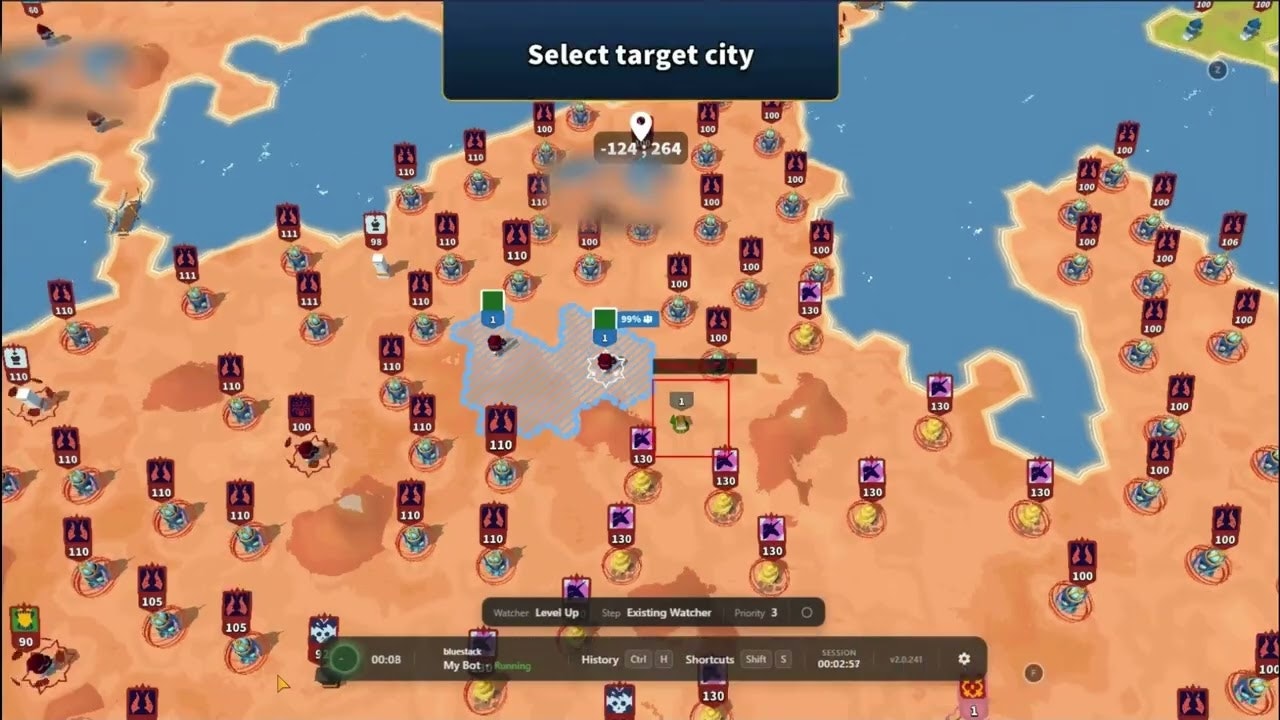
Choosing safe AI bots for 2026
The landscape for AI game bots in 2026 has shifted from a gray area of hobbyist experimentation to a high-stakes regulatory environment. Using unauthorized automation tools in multiplayer environments like MMOs and FPS titles is no longer just a breach of etiquette; it is a direct violation of Terms of Service (ToS) that carries immediate and permanent consequences. Game developers have integrated advanced detection systems, making the risk of account bans significantly higher than in previous years.
A "safe" AI bot is defined strictly by its compliance with official game developer guidelines. Tools that inject memory, modify game files, or automate input at a level detectable by anti-cheat software are considered unsafe. The primary source of truth for any bot's safety is the official ToS published by the game's publisher. If the publisher explicitly prohibits third-party automation, no amount of obfuscation makes the tool safe for use.
Beyond the immediate threat of bans, there are legal and security implications. Unofficial bots often require elevated system permissions, exposing your machine to malware or data theft. Additionally, as AI-generated assets and behavior become more prevalent, legal frameworks around digital ownership and fair use are tightening. Relying on unverified tools puts your digital identity and personal data at unnecessary risk.
When selecting a tool for 2026, prioritize those that operate within the boundaries of approved API integrations or single-player modes. If a tool requires bypassing security measures, it is inherently unsafe. The cost of a banned account far outweighs the convenience of automated play. Stick to official channels and verified, transparent tools that do not attempt to hide their operation from game servers.
Top AI bots for MMO automation
AI game bots for Massively Multiplayer Online (MMO) environments operate as autonomous agents designed to execute repetitive gameplay loops, including resource gathering, questing, and trading. Unlike single-player AI that follows scripted paths, these tools must navigate dynamic player economies and anti-cheat systems. The legal and regulatory landscape for these tools is shifting; as noted in recent legal analyses, the ownership of AI-generated assets and the use of automated agents in multiplayer servers are subject to strict Terms of Service and potential copyright disputes [1].
Stracti
Stracti is a no-code platform that allows users to build powerful AI game bots without writing a single line of code. It is particularly suited for MMO players who want to automate complex workflows without the technical overhead of traditional scripting. The platform provides a visual interface for defining bot behaviors, making it accessible to non-technical users while offering the depth required for serious automation.
Bot Frameworks for Custom Automation
For advanced users, open-source bot frameworks provide the flexibility to create custom automation scripts. These frameworks often rely on computer vision and machine learning to detect game states and execute actions. However, the use of such tools carries significant risk. Many MMO providers explicitly prohibit third-party automation, and violations can lead to permanent account bans. Users must carefully review the legal implications of using automated agents in multiplayer environments [2].
Comparison of MMO Bot Features
The following table compares key features of popular AI bot approaches for MMO automation. This comparison is based on general industry standards and official documentation where available.
| Tool | Difficulty | Automation Level | Safety Rating |
|---|---|---|---|
| Stracti | Low | High | Medium |
| Custom Scripts | High | Variable | Low |
| Visual AI Bots | Medium | Medium | Medium |
[1] https://blog.promise.legal/ai-generated-assets-games-copyright/ [2] https://medium.com/@brsoftaustralia/top-5-ai-bot-games-to-consider-for-your-next-ai-project-d8a22c26fe3a
Best aim assist bots for FPS games
Aim assistance tools operate at the intersection of performance enhancement and regulatory risk. In 2026, the primary function of these bots is not to play the game for the user, but to provide sub-human-level consistency in recoil control and target prediction. This distinction is critical for legal compliance. When a tool merely assists, it often falls into a gray area; when it automates, it violates the Terms of Service of nearly every major FPS platform.
The technology relies on computer vision and machine learning models trained on weapon patterns. Unlike simple scripts that hard-code recoil offsets, these AI-driven systems adapt to in-game variables such as movement speed, weapon sway, and environmental occlusion. The goal is to produce aiming data that mimics human muscle memory, reducing the mechanical variance that typically degrades performance over long sessions.
However, the competitive integrity concerns are substantial. Anti-cheat systems are increasingly deployed to detect the subtle, algorithmic precision that AI bots provide. Even "legitimate" aim assist tools can trigger bans if they interact with the game's memory in ways that exceed standard input emulation. Users must weigh the performance gain against the permanent loss of account access.
The market for these tools is fragmented. Official documentation from major game publishers consistently classifies any third-party aim assistance as unauthorized modification. While some developers offer built-in aim assist features, third-party AI bots often provide more granular control over sensitivity curves and tracking smoothing. This flexibility is why they remain popular despite the high stakes involved in their use.


As an Amazon Associate, we may earn from qualifying purchases.
Verify legality and account safety before playing
Using AI bots in multiplayer games carries the risk of permanent account termination. Before installing any automation tool, you must verify its standing against the specific game’s Terms of Service (ToS). Developers actively monitor for unauthorized third-party clients, and violations are typically enforced with immediate bans. Treat this verification as a mandatory compliance step, not an optional check.
1. Read the developer’s official ToS
Navigate directly to the game publisher’s website and locate the legal documentation. Search for keywords like "automation," "macro," "third-party client," or "modifications." Many developers explicitly ban any software that interacts with the game memory or automates input. If the ToS is silent, assume the risk is high; silence rarely implies permission in competitive environments.
2. Check for official API or mod support
Some games provide official APIs or curated modding frameworks that allow for safe automation. If the developer has published a public API for bots, using a tool that strictly adheres to that API is generally safe. If no official integration exists, any bot is likely operating outside the intended scope of the game, making your account vulnerable to detection.
3. Look for developer statements on AI
Beyond the ToS, check for official blog posts or developer updates regarding AI usage. Some studios have issued specific warnings about AI-driven gameplay or have clarified which tools are whitelisted. These statements provide the most current insight into enforcement priorities, which can shift faster than the written legal text.
4. Use reputable botting tools with safety records
Choose tools that have established reputations for safety and regular updates. New or obscure bots may contain malware or use detection-evasion techniques that trigger immediate bans. Established tools often have community forums where users report detection issues, providing real-time data on safety. Always download from the official source to avoid tampered executables.
5. Test on a secondary account
Never risk your primary account. Create a secondary account and use the bot for a short period to observe any changes in account status or in-game behavior. Monitor for suspicious messages from support or unusual restrictions on trading and matchmaking. This low-stakes test can reveal detection risks before you invest significant time in your main profile.
Frequently asked questions about AI game bots
Will there be AI game engines in 2026? Yes. The landscape has shifted from experimental tools to functional engines. For developers targeting Steam with 3D or multiplayer titles, Summer Engine is currently the strongest option. It pairs an AI agent with a full engine compatible with Godot 4, allowing for direct desktop exports. This integration reduces the friction between generation and deployment.
What is the new AI bot in 2026? The leading models for 2026 include Claude Opus 4.6 and Claude Sonnet 4.6 from Anthropic. These versions offer stronger reasoning and coding abilities compared to previous iterations. They are designed for extended context handling and natural conversational tones, making them suitable for complex NPC logic and dynamic storytelling.
Is it legal to make a game with AI? While creating games with AI is not illegal, the copyright status of the assets is a significant legal risk. As noted by Promise Legal, AI-generated assets often lack copyright protection. This creates an ownership gap where competitors can legally copy or imitate your assets, leaving your studio without the primary legal tool to prevent look-alike games.
What AI trends are coming in 2026? The industry is moving toward agent-ready open-weight models. These are trained for specific tool use and structured outputs rather than general chat. This shift supports autonomous workflows and long-context reasoning, which are essential for sophisticated game bots that must react to player behavior in real-time.
No comments yet. Be the first to share your thoughts!