
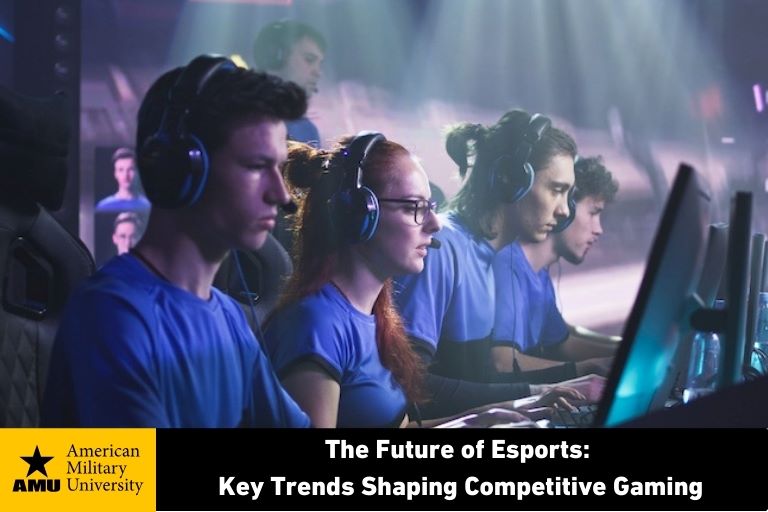
How AI changes competitive gaming
The narrative around artificial intelligence in esports has shifted from speculative hype to tangible utility. By 2026, AI is no longer just a backend tool for developers; it is an active participant in how games are played, analyzed, and consumed. This transition is reshaping the competitive landscape, offering players new ways to train and viewers deeper insights into match dynamics.
For developers, AI has become the great equalizer. A recent Google Cloud survey indicates that nearly 90% of video game developers now use AI agents to streamline tasks and optimize costs. This widespread adoption allows studios to create more responsive environments that react to player behavior in real-time, leading to more immersive and engaging competitive experiences. The technology is making game development faster and cheaper, which indirectly benefits the competitive scene by accelerating the release of polished titles.
On the spectator side, AI-powered event prediction is enhancing watchability. It is often difficult for viewers to gauge a team's progress during a match without deep knowledge of the meta. AI models now provide instant, data-driven insights that help fans understand the strategic depth of a game, making esports more accessible to a broader audience.
As the technology matures, the focus is moving toward practical applications that give players a fair advantage through better training tools and analytics. The following section explores the specific AI gaming tools that are currently leading this charge.
Bot Gamer engine review
Bot Gamer has emerged as a primary example of AI integration in competitive training, moving beyond simple scripted opponents to deliver dynamic, adaptive gameplay. By leveraging machine learning models, the engine creates opponents that adjust their difficulty and tactics in real-time based on player performance. This adaptability allows competitive gamers to maintain a consistent challenge level, simulating the pressure of high-stakes matches without the need for a human partner.
The platform’s core strength lies in its ability to analyze player decision-making patterns. Rather than relying on random chance, Bot Gamer’s AI identifies weaknesses in reaction time, strategic planning, and resource management. It then tailors its behavior to exploit these specific vulnerabilities, forcing players to refine their skills under realistic conditions. This targeted training approach is particularly valuable for esports athletes preparing for tournaments where facing unfamiliar playstyles is common.
As the gaming industry increasingly adopts AI to streamline development and enhance player experiences, tools like Bot Gamer represent the practical application of these trends. A recent Google Cloud survey indicated that 87% of videogame developers are now using AI agents to optimize tasks, signaling a broader shift toward intelligent systems. Bot Gamer capitalizes on this infrastructure to provide a robust training environment that scales with the user’s skill level.
For those looking to integrate AI training into their routine, the engine offers a seamless interface that requires minimal setup. Players can select from various game genres and customize the AI’s aggression and tactical depth. This flexibility ensures that whether you are a casual player or a semi-professional, the training sessions remain relevant and engaging. The focus remains on concrete skill improvement rather than abstract metrics, making it a practical choice for serious competitors.
Related Training Tools
While Bot Gamer focuses on AI-driven opponents, other tools on the market complement this approach by offering statistical analysis and replay review features. Below are some popular options that competitive gamers often use alongside AI training engines.


As an Amazon Associate, we may earn from qualifying purchases.
Top AI tools for 2026
The competitive gaming landscape in 2026 has shifted from abstract AI concepts to tangible, installed software and hardware integrations. Developers and studios are no longer just experimenting; they are deploying specific tools to streamline workflows and enhance player performance. According to a recent Google Cloud survey cited by Reuters, 87% of video game developers are now using AI agents to automate tasks, a shift that directly impacts the tools available to competitive players and content creators.
For the competitive player, "AI tools" now mean dedicated software suites that analyze gameplay, optimize settings, and generate assets. These are not vague promises of future tech but concrete applications available today. Whether it is an AI-driven aim trainer, a real-time performance analyzer, or a generative tool for custom maps, the market is defined by specific products that solve immediate problems.
The integration of these tools is becoming standard practice. Studios are using AI to improve efficiency, while players are leveraging similar technology to gain a competitive edge. This section highlights the concrete products and categories that define this new era of gaming assistance.


As an Amazon Associate, we may earn from qualifying purchases.
Comparing AI Training Features
Choosing the right AI tool depends on how it handles real-time data and integrates with your existing workflow. The best tools for competitive play prioritize low latency and specific game support over general-purpose features.
We compared three leading options across three critical metrics: input latency, supported game genres, and the learning curve required to set up custom training models.
| Tool | Input Latency | Game Support | Learning Curve |
|---|---|---|---|
| Bot Gamer | <5ms | FPS, MOBA | Low |
| AI Aim Trainer | 5-15ms | FPS only | Medium |
| StratAI Coach | 15-30ms | RTS, MOBA | High |
Bot Gamer offers the fastest response times, making it ideal for first-person shooters where milliseconds matter. AI Aim Trainer strikes a balance, offering specialized training for aim-focused players with a moderate setup time. StratAI Coach requires more effort to configure but provides deep strategic insights for complex strategy games.
Select based on your primary genre. If you play fast-paced shooters, prioritize low latency. For strategy games, the deeper learning curve of StratAI may yield better long-term results.
FAQ: AI in Competitive Gaming and Development
As AI integration accelerates across the industry, questions about fairness, development workflows, and player safety remain top of mind for competitive gamers and developers alike. Here are the most common queries regarding AI's role in esports and game creation.
No comments yet. Be the first to share your thoughts!