
Why safe automation matters now
The gaming landscape in 2026 is defined by a stark divide between legitimate utility and banned cheating. As anti-cheat systems like BattlEye and Easy Anti-Cheat evolve, they no longer just target aimbots and wallhacks; they scrutinize input patterns that mimic human behavior but operate at machine speed. Understanding this boundary is essential for anyone looking to use automation tools without risking a permanent ban.
Safe automation focuses on convenience and accessibility, not competitive advantage. Tools like the XIM Apex or the Cronus Zen are designed to translate inputs or simplify repetitive tasks, such as inventory management in MMOs. These devices operate at the hardware or driver level, creating a bridge between different controllers and keyboards. When used within the bounds of a game’s End User License Agreement (EULA), they are generally considered legal software utilities. However, the moment automation begins to make decisions for you—like auto-aiming or auto-farming—it crosses into illegal cheating territory.
The risk of detection is higher than ever. Modern anti-cheat engines analyze mouse movements and keystroke timing with millisecond precision. A bot that presses keys too perfectly or moves the cursor in a straight line will trigger immediate flags. This is why "safe" automation requires a human-in-the-loop approach. You should use tools to enhance your control scheme, not to play the game for you. Always verify tool compatibility with specific game EULAs before use.
Legitimate tools are transparent about their function. They do not hide their processes or attempt to spoof hardware IDs. If a product promises "undetectable" status or "AI-driven" gameplay, it is likely violating terms of service. Stick to established, reputable hardware that focuses on input translation and macro customization. This cautious approach ensures you enjoy the benefits of automation without losing your account.
Hardware-based macro keyboards for mechanical control
Hardware automation represents the safest entry point for gaming bots. Unlike software injectors that modify game files or memory, programmable macro keyboards operate at the input level. They mimic human keystrokes and mouse clicks without touching the game client itself. This distinction matters because it keeps you on the right side of most terms of service.
These devices act as a middleman between you and your PC. When you press a key, the keyboard sends a standard USB signal to the computer. The game sees a human player, not a script. This mechanical separation is why many competitive players prefer hardware macros for complex rotations or repetitive tasks like resource gathering.
The goal here is efficiency, not unfair advantage. A well-programmed macro can reduce physical strain and improve reaction times for specific actions. It is about managing your inputs more effectively, not replacing your agency. This approach minimizes the risk of detection by anti-cheat systems that scan for software anomalies.
Choosing the right programmable keypad
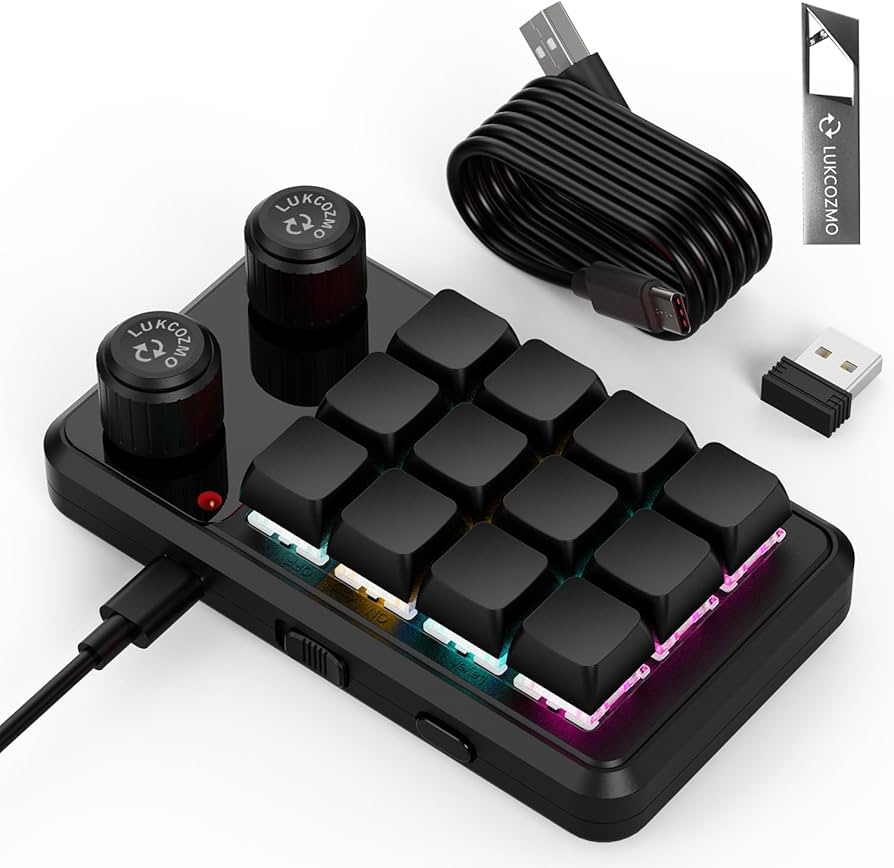
Not all macro keyboards are created equal. Some offer dedicated macro keys, while others provide full programmable layouts. Look for devices with onboard memory, so your keybindings travel with you. This ensures your setup works on any PC without installing questionable software.
Top-rated options for safe automation
The following products are widely recognized for their reliability and safety profile. They focus on mechanical control and programmable inputs without invasive software.


As an Amazon Associate, we may earn from qualifying purchases.
These tools provide a middle ground between manual play and full automation. They allow you to streamline repetitive tasks while maintaining the appearance of human input. This strategy is ideal for players who want to optimize their gameplay without risking a ban.
Top AI assistants for inventory management
Most players know that combat automation—aimbots and wallhacks—is an instant ban. But there is a safer, often overlooked category of tools designed for non-combat tasks. These AI assistants focus on inventory sorting, crafting, and resource gathering. They mimic the repetitive, low-skill actions that players hate doing but are generally tolerated by anti-cheat systems because they do not provide a competitive advantage in direct conflict.
Think of these tools as digital workhorses. They handle the tedious "chores" of gaming, such as moving stacks of loot from your inventory to a storage chest or organizing crafting materials. Because they operate strictly within the bounds of standard user interface interactions, they rarely trigger the detection algorithms that hunt for memory injection or external aim assistance.
Safe automation tools
The market for these assistants is smaller than that of combat bots, but the options available are specifically designed for safety and utility. Unlike gray-market scripts that risk your account, these tools are often built for streamers or power users who want to streamline their workflow.
Inventory sorters
Tools like AutoSort (available on various modding platforms) allow you to set rules for how items are arranged. Instead of manually clicking through hundreds of items, the software groups them by type, rarity, or weight. This is particularly useful in games like Elder Scrolls Online or Final Fantasy XIV, where inventory management can become a time sink. Since the tool only interacts with the inventory screen and does not affect gameplay mechanics, it is considered a utility feature rather than a cheat.
Crafting assistants
For players who enjoy the "grind" of gathering resources but not the repetitive act of crafting them, assistants like CraftBot can automate the process. You simply queue up the items you want to make, and the software handles the clicking and resource consumption. This is especially helpful for crafting high-level gear that requires hundreds of components. Again, because this only speeds up a non-competitive activity, it is widely regarded as a safe time-saver.
Why these tools are safer
The key difference between these assistants and banned cheats is intent and impact. Combat bots alter the core experience of the game by giving players unfair advantages in PvP or difficult PvE encounters. Inventory and crafting assistants, however, only affect the player's personal time management. They do not change the outcome of a battle or the value of an item in the game economy. As a result, game developers are less likely to penalize their use, provided the tool does not inject code into the game client.
| Feature | Safety Level | Best For |
|---|---|---|
| Inventory Sorting | High | Massive looting sessions |
| Crafting Automation | High | High-level gear upgrades |
| Combat Aiming | Banned | None (Risk of permanent ban) |
Staying within the rules
While these tools are generally safe, you should always check the specific Terms of Service for the game you are playing. Some developers have strict policies against any form of third-party automation, regardless of its purpose. To stay safe, use tools that are open-source or have a strong community reputation for being undetected. Avoid any tool that promises to "hack" the game or provides real-time combat assistance, as these are almost always flagged immediately.
By sticking to non-combat automation, you can reclaim hours of your gaming time without risking your account. These AI assistants are the unsung heroes of safe botting, allowing you to focus on the parts of the game you actually enjoy.
Discord bots for community and economy tracking
While many gaming bots risk account bans by injecting code into game clients, Discord bots operate safely within the chat ecosystem. They track stats, monitor in-game economy prices, and manage server roles without touching the game client itself. This separation keeps your account secure while still providing automation.
For community management, MEE6 remains the standard for leveling and auto-moderation. It helps keep large servers organized without manual oversight. For economy tracking, Dank Memer offers robust currency systems and market analysis features that integrate directly into Discord channels. These tools let players monitor market trends without risking a ban from the game developer.
Always verify a bot’s permissions before adding it. Legitimate bots only need access to read messages and send responses. Avoid bots that request access to your game client or external accounts. Stick to bots listed on reputable directories like Top.gg to ensure they follow Discord’s terms of service.
How to avoid bot detection in 2026
Modern anti-cheat systems have evolved from simple pattern matching to behavioral analysis. To keep your account safe, you must mimic human imperfection. Software that clicks with millisecond precision is an immediate red flag. Instead, use tools that introduce natural variability, such as slight random delays between actions or irregular mouse movements. This "humanizing" of input patterns is the first line of defense against automated detection.
The most significant risk comes from kernel-level drivers. Anti-cheat software like Easy Anti-Cheat (EAC) and BattlEye operates at the deepest level of your operating system. They can detect and ban accounts for software that attempts to hook into the game process or read memory. Avoid any botting tool that requires admin privileges or kernel installation. Stick to user-space applications that only send input signals to the OS, or better yet, use external hardware devices.
Hardware macro devices, such as the XIM Apex or Cronus Zen, are generally safer than software bots because they interact with the PC as a standard peripheral. They do not inject code into the game client, making them much harder for anti-cheat to flag as cheating. However, even hardware devices can be detected if they produce impossible reaction times. Use them sparingly and with realistic delays to stay within the bounds of legitimate gameplay.
Always prioritize games that explicitly support automation or have lenient terms of service. Some MMOs allow macroing for specific repetitive tasks, while competitive shooters do not. Before using any tool, read the game’s terms of service carefully. If a tool promises "undetectable" kernel-level access, it is likely a scam or a fast track to a permanent ban. Stick to transparent, user-space solutions to protect your investment.
Common questions about gaming bots
When exploring automation tools, the line between helpful utility and cheating often depends on the specific software and how it interacts with the game. Using bots for legitimate tasks, such as automating repetitive grind or managing in-game economies, is generally legal. However, automation becomes a violation of terms of service—and potentially illegal—when it bypasses security measures or engages in fraudulent activities.
The cost of these tools varies widely depending on complexity. Simple Discord-based assistants like Dank Memer are often free or offered through low-cost subscription tiers for server owners. In contrast, advanced AI gaming assistants that use machine learning for auto-play or cloud deployment can cost significantly more, with some enterprise-grade solutions running into thousands of dollars.
Most players are primarily concerned with account safety. While tools like GnBots claim to be undetectable on multiple platforms, using any third-party automation carries inherent ban risks. Always verify that a tool operates within the game’s official API or Terms of Service to maintain a safe gaming experience.
No comments yet. Be the first to share your thoughts!