
What AI game bots do in 2026
The landscape of AI in gaming has split into two distinct paths. On one side, developers use AI to build smarter non-player characters (NPCs) and dynamic training partners that adapt to a player’s skill level. On the other, players use third-party automation scripts to grind resources, automate repetitive tasks, or simulate human input. This second category is the primary focus here, and it carries significant legal and account risks.
Developer-integrated AI is generally safe and encouraged. It enhances the experience without violating terms of service (ToS). However, player-run automation bots often inject code into game memory or simulate input at speeds no human can match. Game publishers view this as cheating. Using these bots can lead to permanent account bans, loss of purchased content, and in rare cases, legal action under computer fraud laws.
In 2026, the line between "helpful tool" and "cheat" is drawn by the game’s End User License Agreement (EULA). While some games explicitly allow macroing for accessibility, most competitive titles ban any software that provides an unfair advantage. Understanding this distinction is critical before downloading any AI game bot.


As an Amazon Associate, we may earn from qualifying purchases.
Top AI automation tools for MMOs
MMO automation software has evolved from simple macro recorders to complex AI-driven agents capable of pathfinding, resource gathering, and dynamic combat responses. These tools operate by interpreting game state data and executing inputs at speeds and consistencies that human players cannot match. While they offer significant efficiency gains for grinding and leveling, they fundamentally alter the integrity of the game economy and player experience.
The primary risk with these tools is not just technical detection but legal and contractual exposure. Game publishers treat unauthorized automation as a breach of the End User License Agreement (EULA). Violations can lead to immediate, permanent account suspension without recourse. Also, the use of third-party bots often violates computer fraud statutes in certain jurisdictions, as these tools frequently involve unauthorized access to game memory or code execution.
When evaluating automation tools, prioritize those that offer advanced evasion features, such as randomized human-like input patterns and anti-detection mechanisms. However, no tool is immune to advanced anti-cheat systems like BattleEye or Easy Anti-Cheat, which constantly update their signature databases. The following software categories represent the current landscape of MMO automation, though specific product availability and legality vary by title.
Macro Recorders and Input Simulators
These are the most basic form of automation, recording a sequence of keystrokes and mouse clicks and replaying them. They are effective for repetitive tasks like resource gathering in open-world games but lack adaptability. If the game environment changes, the macro will fail or trigger anti-cheat alerts due to repetitive, perfect timing.
AI-Driven Pathfinding Agents
Advanced bots use computer vision and machine learning to navigate game worlds. They can identify resources, avoid enemies, and optimize routes in real-time. These tools are harder to detect because they mimic human decision-making, but they require significant computational resources and often interact with game memory in ways that trigger kernel-level anti-cheat responses.
Account Management and Proxy Services
Automation is rarely a single-software problem; it is an infrastructure challenge. Successful botting operations rely on residential proxies to mask IP addresses and account rotation services to distribute risk. Using these services in conjunction with automation tools increases the complexity of the setup and the potential for data breaches or account theft.


As an Amazon Associate, we may earn from qualifying purchases.
Bot software for competitive shooters
Using AI bots for aim training in competitive shooters like Counter-Strike 2 or Valorant sits in a legal gray zone. While developers use bots for single-player practice, third-party automation tools that inject AI into multiplayer matches violate nearly every game’s Terms of Service. The risk is immediate: permanent hardware bans and legal action from publishers protecting their competitive integrity.
Official sources, including anti-cheat documentation from Riot Games and Valve, distinguish between legitimate practice environments and unauthorized automation. Legitimate aim trainers run locally without interacting with game servers. However, tools that mimic human behavior to gain an edge in ranked matches are classified as cheating, not assistance. The distinction is not technical; it is contractual.
Practice tools vs. cheating bots
The market splits into two distinct categories. Legitimate aim trainers (like Aim Lab) run as separate applications. They do not inject code into the game. They are safe because they operate outside the game’s execution environment. Cheating bots inject code into the game process. They automate aim or movement. They are illegal under the game’s EULA and subject to ban waves.
Key software and legal risks
| Tool Type | Examples | Legal Status | Risk Level |
|---|---|---|---|
| Legitimate Aim Trainers | Aim Lab, Kovaak’s | Compliant | None |
| Single-Player AI | CS2 Practice Bots | Compliant | None |
| Third-Party Aim Bots | AimJunkies, various 'aim assist' scripts | Violates ToS | High (Ban) |
| Multiplayer Automation | ESP/Aimbot with AI | Illegal (CFAA) | Extreme (Legal) |
The legal stakes rise when bots interact with game servers. In the United States, using unauthorized bots in online games can violate the Computer Fraud and Abuse Act (CFAA). Publishers like Activision Blizzard and Riot Games have successfully sued cheaters, setting precedents that automation is not just a ban-worthy offense, but a federal crime. Always verify the tool’s compliance with the specific game’s EULA before use.
Comparison of Bot Software
The following table compares common aim training and automation tools. Note that "Legitimate" tools are standalone applications. "Cheating" tools are unauthorized injections. Using unauthorized tools in multiplayer matches carries severe legal and account risks.
| Tool Name | Type | ToS Compliance | Legal Risk |
|---|---|---|---|
| Aim Lab | Standalone Trainer | Compliant | None |
| Kovaak’s | Standalone Trainer | Compliant | None |
| CS2 Practice Bots | Official Game Feature | Compliant | None |
| AimJunkies Scripts | Third-Party Automation | Violated | High (Ban) |
| Custom AI Aimbots | Unauthorized Injection | Violated | Extreme (Legal Action) |
Recommended Aim Training Software
For legitimate practice, standalone aim trainers are the only safe option. These tools improve muscle memory without violating game rules. They do not inject code into the game. They are safe for competitive players.

As an Amazon Associate, we may earn from qualifying purchases.
Legal risks and account bans
Using third-party automation tools to play games is not a harmless shortcut; it is a direct violation of the legal agreements you signed when you created your account. Every major multiplayer platform, from Steam and Riot Games to Blizzard and Valve, explicitly prohibits the use of bots, scripts, and external software that interact with the game client. These rules are codified in the Terms of Service (ToS) and End User License Agreements (EULA), which function as binding contracts between you and the publisher.
Violating these contracts carries immediate and permanent consequences. Game developers employ sophisticated anti-cheat systems that detect unnatural input patterns, memory manipulation, and unauthorized API calls. When detected, the result is almost always a permanent account ban. Unlike a temporary suspension, a permanent ban is irreversible. You lose access to every game in your library, any purchased skins or microtransactions, and your entire progression history. For competitive players or those who have invested significant time and money, this is a total loss of digital assets with no recourse for appeal.
Beyond account termination, there is a growing legal risk. While individual bans are common, publishers are increasingly pursuing legal action against the creators and distributors of cheating software. In some jurisdictions, distributing bot software can be prosecuted under computer fraud laws or copyright infringement statutes, as the software often involves reverse-engineering game code or bypassing security measures. Even if you are just a user, participating in a network of banned accounts can lead to IP bans, which prevent your internet connection from accessing the game servers entirely, effectively locking you out of the ecosystem.
The stakes are too high to treat ToS violations as a minor risk. Before downloading any "AI game bot" or automation script, assume it will be detected and that the penalty will be permanent. The convenience of automated play is never worth the loss of your account and the potential legal exposure associated with using unauthorized software.


As an Amazon Associate, we may earn from qualifying purchases.
How to choose safe bot software
Using unvetted AI game bots exposes you to immediate account termination and potential legal liability. Game developers actively hunt for automation tools that disrupt fair play, and many bot operators violate the End User License Agreements (EULA) you agreed to upon installation. Choosing safe software requires moving beyond forum hype and verifying the tool’s legitimacy through official channels.

Before downloading, check the developer’s corporate identity. Legitimate automation tools often have a registered business entity and a transparent privacy policy. Avoid anonymous GitHub repositories or Telegram channels that promise "undetectable" features, as these are common vectors for malware and account theft.
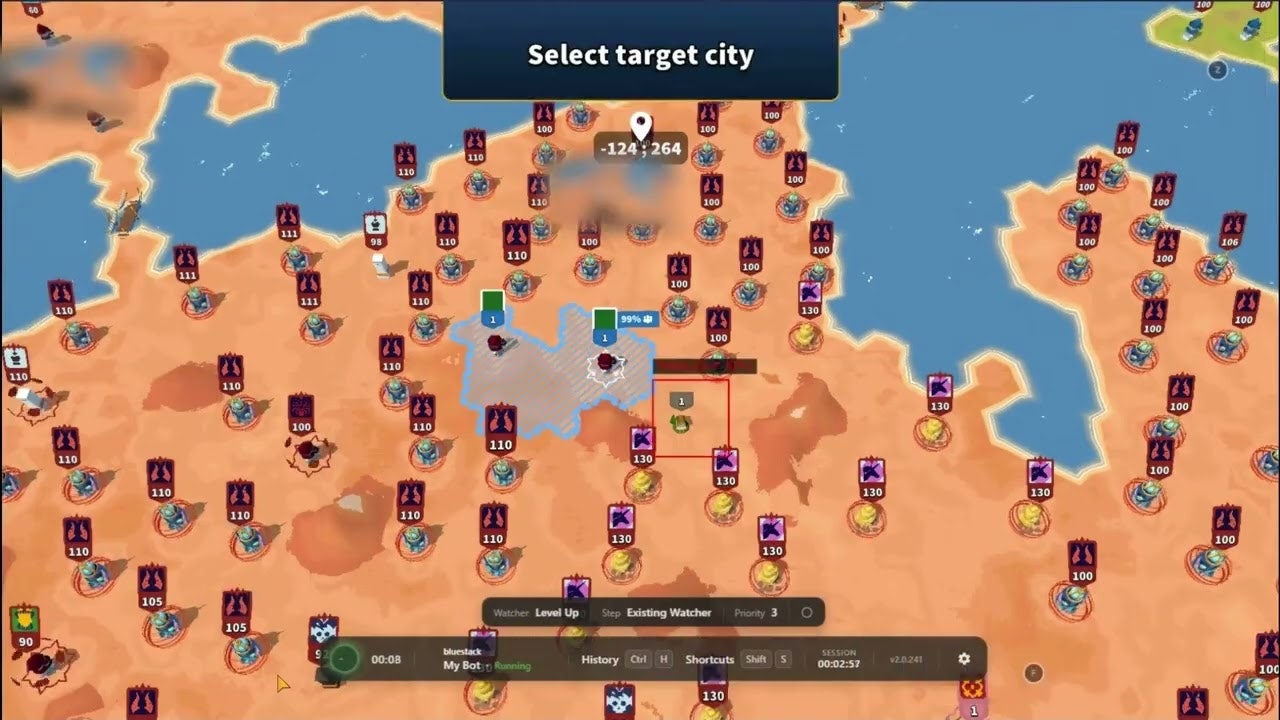
Game patches break bot functionality almost instantly. Safe software providers release frequent updates to maintain compatibility with the latest game versions. If a bot hasn’t been updated in months, it is likely detectable or non-functional. Prioritize tools that publicly document their update cycles and support active user bases.

Look for established communities on Discord or official forums where users discuss real-world results. Be wary of bots with only five-star reviews on third-party sites, which can be fabricated. Genuine user feedback often highlights stability issues, customer support responsiveness, and whether the bot leads to bans.



As an Amazon Associate, we may earn from qualifying purchases.
The risk of losing years of progress in a single ban is high. Always prioritize tools that offer transparent terms of service and legitimate customer support over those promising "magic" undetectability.
FAQ: AI Game Bots, Engines, and Legal Risks in 2026
Are AI game engines legal to use in 2026?
Using AI tools to generate game assets is legal, but ownership is not guaranteed. Under current U.S. copyright law, authorship requires a human creator, meaning fully AI-generated content may not be protectable. Developers must ensure significant human input to secure intellectual property rights.
What is the new standard AI bot for games in 2026?
The industry is shifting toward multi-agent systems and advanced LLMs like Claude Opus 4.6 and Sonnet 4.6. These models offer stronger reasoning and natural conversational tones, enabling NPCs that adapt to player behavior rather than following static scripts.
Will AI-native game engines replace traditional ones?
AI-native engines are rising as a major trend, featuring automated asset generation and smart NPC behaviors. However, they currently complement rather than replace established platforms, serving as powerful assistants in development pipelines.
What are the risks of using AI bots in multiplayer games?
Deploying AI bots to automate gameplay or gain unfair advantages violates most Game Terms of Service. Publishers actively detect and ban accounts using unauthorized automation, risking permanent loss of access and in-game assets.
As an Amazon Associate, we may earn from qualifying purchases.
No comments yet. Be the first to share your thoughts!