
Defining the 2026 AI Game Bot
The rise of AI game bots 2026 describes a new class of in-game agents driven by generative models rather than rigid, pre-written code. Unlike legacy non-player characters (NPCs) that follow static decision trees, these bots can adapt to player behavior in real-time, creating dynamic and unpredictable interactions. This shift marks a departure from the scripted routines of previous decades, introducing agents that can learn, reason, and co-create experiences within the game world.
It is important to distinguish these internal agents from third-party cheater bots. While external bots often violate terms of service by automating gameplay from outside the game client, 2026 AI game bots are integrated directly into the game’s architecture. They serve as intelligent teammates or opponents, powered by advanced systems that enable human-like NPC behaviors. This distinction is critical for legal and regulatory discussions, as the legality of bot usage often hinges on whether the agent is an authorized part of the game or an unauthorized external tool.
Research presented at GDC 2026 highlights this evolution, noting that modern AI agents are being designed to manage complex tasks and intuitive reasoning rather than simply executing fixed commands. As these systems become more sophisticated, they blur the line between player and program, raising new questions about fairness, intellectual property, and the definition of 'playing' a game. Understanding this definition is the first step in addressing the legal landscape of next-generation gaming.
Autonomous Agency in AI Game Bots 2026
The most significant shift in AI game bots 2026 is the move from scripted responses to genuine autonomous agency. NPCs are no longer limited to predefined dialogue trees; they can now refuse player interactions, negotiate terms, or decline tasks based on their internal state and goals. This capability transforms NPCs from reactive elements into active participants that can shape the game narrative independently.
This evolution was a central theme at GDC 2026, where developers showcased agents capable of complex social reasoning. These systems allow NPCs to form opinions, remember past interactions, and act consistently with their established personalities. For instance, an NPC might reject a quest not because it is unavailable, but because the player’s previous actions have damaged their reputation.
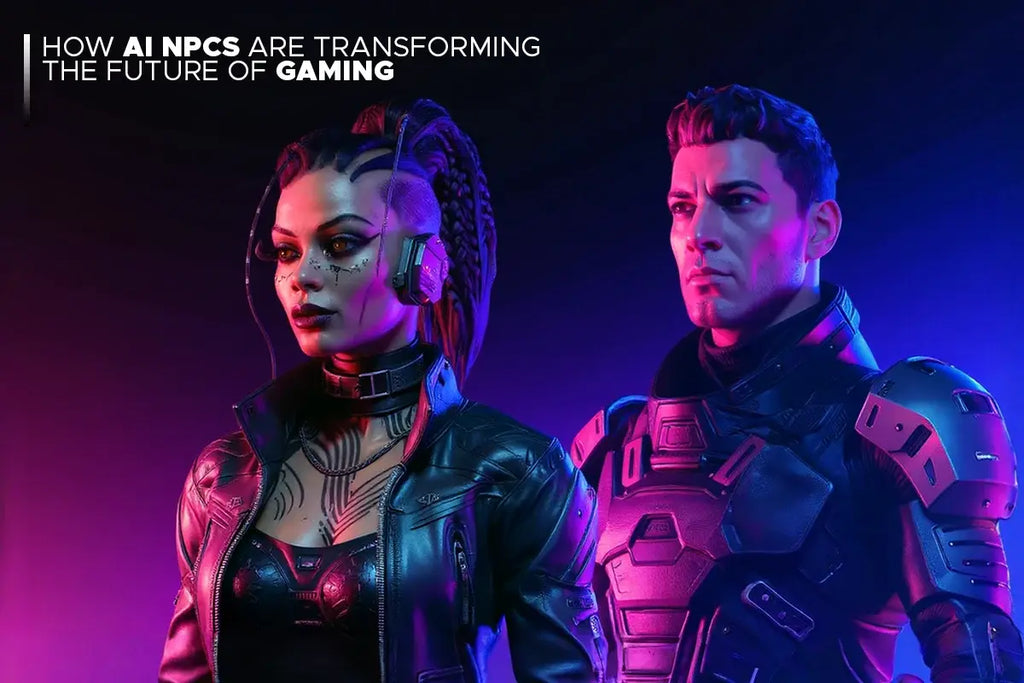
Such autonomy introduces new legal considerations. When an AI game bot 2026 generates unique content or engages in unpredictable behavior, questions arise regarding authorship and liability. Current legal frameworks typically tie authorship to human creativity, meaning AI-generated content may fall outside traditional copyright protections. Developers must address these uncertainties as they integrate more sophisticated agents into their titles.
Legal and Compliance Landscape
The rise of AI game bots in 2026 has triggered a complex web of legal questions that developers and publishers must address. As artificial intelligence becomes more integrated into game mechanics, the boundary between human creativity and algorithmic generation blurs, raising significant concerns about copyright status and the legality of bot creation versus usage.
Copyright Status of AI-Generated Content
Under copyright law in many jurisdictions, the concept of authorship is tied to human creativity. AI-generated content lacks this human element, which means it often falls outside traditional copyright protections. This creates a unique challenge for game developers who rely on AI tools to generate assets, dialogue, or even entire code structures.
If an AI bot creates a new game mechanic or visual asset, determining ownership becomes difficult. Courts in the United States and the European Union have generally held that works produced without human authorship cannot be copyrighted. This means that assets generated by AI game bots may enter the public domain immediately, allowing competitors to use them freely.
However, the situation is not entirely black and white. If a human developer makes significant creative choices in directing the AI, they may retain some rights. The key is the level of human intervention. Developers must document their creative process to prove that the final output is a result of human authorship rather than pure algorithmic generation.
Legality of Bot Creation vs. Usage
Not all bots are illegal. Bots themselves are neutral tools; it is what they are used for that determines legality. Creating an AI bot for testing purposes, accessibility features, or educational demonstrations is typically legal. However, using bots to exploit game economies, cheat in multiplayer environments, or violate a game’s terms of service can lead to civil liability or even criminal charges in some cases.
The legality often hinges on the Computer Fraud and Abuse Act (CFAA) in the United States and similar laws globally. Accessing a game server without authorization or exceeding authorized access through botting can be considered a violation. Game companies are increasingly using anti-cheat technologies to detect and ban bots, and they may pursue legal action against bot creators who facilitate unfair play.
Developers should also be aware of the evolving regulatory landscape. Organizations like the Game Developers Conference (GDC) and official AI rankings provide insights into industry standards and best practices. Staying informed about these developments can help developers ensure their AI game bots comply with current legal and ethical standards.
Ethical AI in Gaming Practices
Developers are increasingly adopting structured ethical frameworks to manage AI game bots in 2026. These frameworks aim to balance advanced NPC behaviors with fair play and player trust. As AI agents become more autonomous, transparency and anti-exploitation measures are becoming standard industry practices.
Establishing Transparency
Players have a right to know when they are interacting with AI. Many studios now disclose AI usage in their Terms of Service and in-game menus. This clarity helps distinguish between scripted events and dynamic AI-driven interactions. Transparency reduces the likelihood of player frustration when bot behaviors change or adapt.
Implementing Anti-Exploitation Measures
Fair play is maintained through robust bot detection systems. These systems monitor for unusual patterns that may indicate exploitation by human players using unauthorized AI tools. By identifying and penalizing cheaters, developers protect the integrity of the game environment. This protection is essential for maintaining a competitive and enjoyable experience for all users.
Ensuring Human Oversight
Human-in-the-loop protocols are often required for sensitive content generation. This ensures that AI-generated dialogue or actions adhere to community guidelines. Developers can intervene quickly if an AI bot produces inappropriate or harmful content. This oversight helps prevent reputational damage and legal risks associated with unregulated AI outputs.
Auditing Training Data
Regular audits of training data help identify and mitigate bias in NPC behaviors. Developers review datasets to ensure that AI models do not reinforce harmful stereotypes or unfair advantages. This proactive approach supports ethical AI development and aligns with broader industry standards for responsible technology use.
-
Disclose AI usage in Terms of Service and in-game interfaces
-
Implement robust bot detection to prevent player exploitation
-
Ensure human-in-the-loop oversight for sensitive content generation
-
Audit training data regularly to identify and mitigate bias
These practices help developers address the complex legal and ethical landscape of AI in gaming. By prioritizing transparency and fairness, studios can build trust with their player base while leveraging the power of AI game bots in 2026.
Bot Detection and Security Methods
Distinguishing legitimate AI NPCs from malicious automation requires a layered security approach. As AI game bots 2026 become more sophisticated, developers rely on behavioral analysis to identify patterns that deviate from human norms. Systems typically monitor input frequency, reaction times, and decision-making consistency to flag suspicious activity.
| Detection Method | Primary Focus | Key Limitation |
|---|---|---|
| Behavioral Analysis | Input patterns and timing | Can flag skilled humans |
| Heuristic Scanning | Known cheat signatures | Requires constant updates |
| Machine Learning | Anomaly detection | High computational cost |
The arms race between developers and bad actors continues to intensify. While heuristic scanning catches known threats, machine learning models are increasingly used to detect novel automation strategies. These systems can adapt to new tactics but require significant processing power and continuous training data to remain effective.
Legal frameworks are still catching up to these technical realities. As noted in discussions at GDC 2026, the line between helpful AI agents and cheating bots remains blurry. Developers must balance robust security measures with fair play, ensuring that legitimate AI enhancements do not inadvertently penalize human players.
Frequently Asked Questions About AI Game Bots 2026
As AI game bots 2026 implementations become more sophisticated, players and developers often have questions about their legality and capabilities. The following answers address common concerns based on current legal frameworks and industry trends.
No comments yet. Be the first to share your thoughts!