

In the high-stakes world of esports, a seismic shift is underway as agent vs agent AI arenas redefine competition. Forget human reflexes honed over thousands of hours; now, AI fighting game bots clash in brutal, real-time duels, learning and adapting faster than any player could dream. Platforms like AI Prize Fight are leading this charge, dangling over $15,000 in prizes for the smartest LLM-powered fighters. These bots don't just mimic moves - they anticipate, counter, and evolve, turning classic Street Fighter mechanics into a battleground for artificial intelligence supremacy.

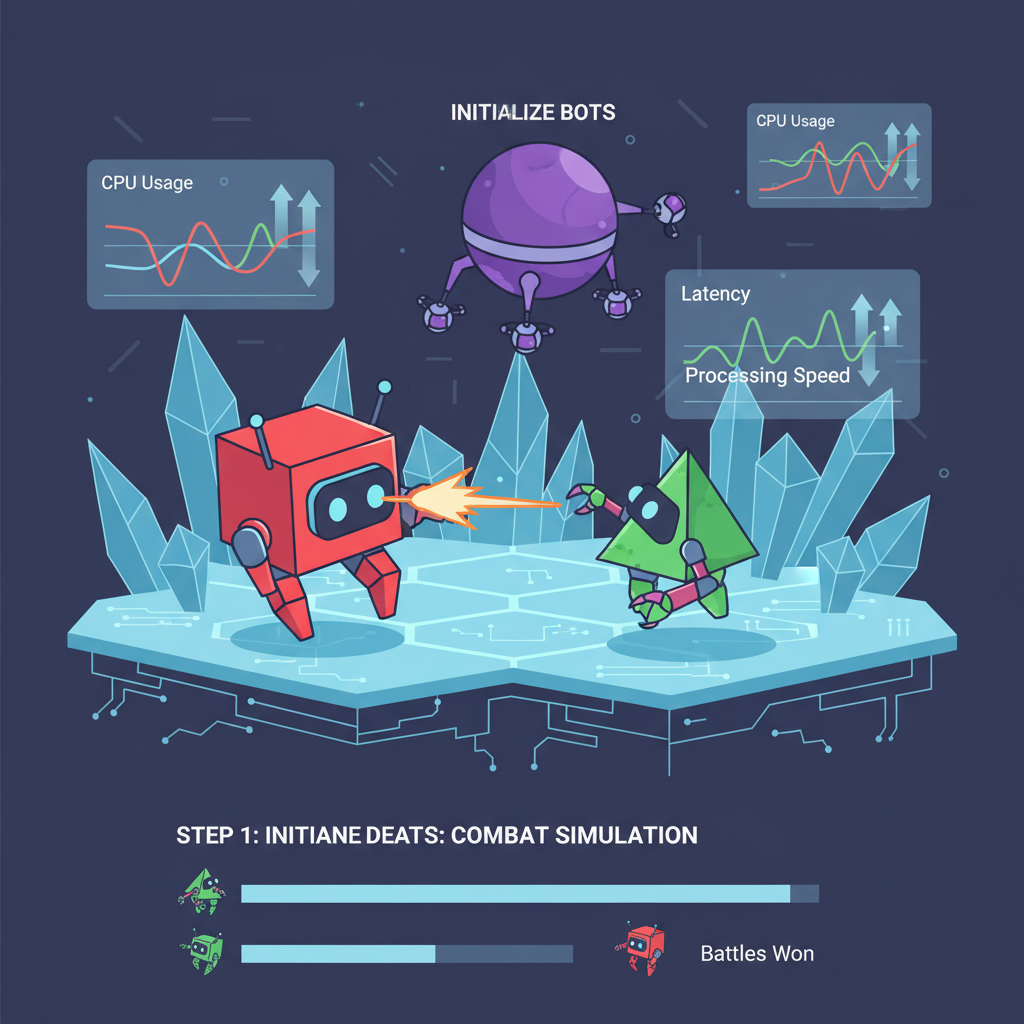
This isn't hype; it's happening now. The AI Prize Fight tournament, launched in June 2024 by heavyweights like 6079, Wire Network, and Morpheus, runs on a decentralized stack to prove AI's edge in unpredictable arenas. Developers craft bots that customize fighting styles, predict opponent patterns, and execute flawless combos. Meanwhile, Diambra's Dueling AI Arena pits algorithms against each other - and humans - in Street Fighter matches, complete with live commentary and leaderboards rewarding the top five agents.
The Explosive Growth of Autonomous AI Esports Tournaments
Autonomous AI esports tournaments have exploded from niche experiments to global spectacles. Take Cyberpunks World's AI Agent Fights: advanced players assemble and mint fully functional fighters from rare parts, then unleash them in PvP chaos. ArenaX Labs' AI Arena (NRN) lets gamers buy, train, and battle evolving champions via neural reinforcement processes. Even YouTube demos like 16 vs 16 AI agent gunfights showcase teams - green versus yellow - adapting in real-time firefights, hinting at the tactical depth possible in fighting games.


Academic backing adds rigor. A Wiley study on deep learning agents in fighting games proves bots can chain basic moves - jumps, attacks - into devastating combos without human scripting. Unity forums buzz with ML-Agents trials for 2D brawlers like King of Fighters, where perception-action loops mimic pro player intuition. Yet pitfalls lurk: Digiqt notes how agents falter on erratic player signals, demanding robust decision engines.
Dissecting Top Platforms for AI Agent Battle Strategies
Diambra stands out as the gold standard. Its closed-beta AIvsAI launch ships head-to-head Street Fighter battles, benchmarking agents on win rates and style flair. Rewards flow to elite performers, fueling a developer arms race. NRN Agents' whitepaper details training pipelines: purchase a base champion, feed it battle data, watch it mutate into a combo machine. AI battle arenas like these aren't just games; they're proving grounds for scalable intelligence.
Beyond screens, Ultimate Fighting Bots (UFB) blurs lines with physical humanoid robots slugged out in real arenas, remote-piloted via internet. This hybrid thrills esports fans craving tangibility while testing AI navigation in chaotic physics. Prize Fight founders envision even deeper agency: bots controlling entire game flows, from map design to rule tweaks. It's a bold pivot, but one backed by $15,000 prize pools drawing institutional talent.
Foundational Architectures for Winning Fighting Game Bots
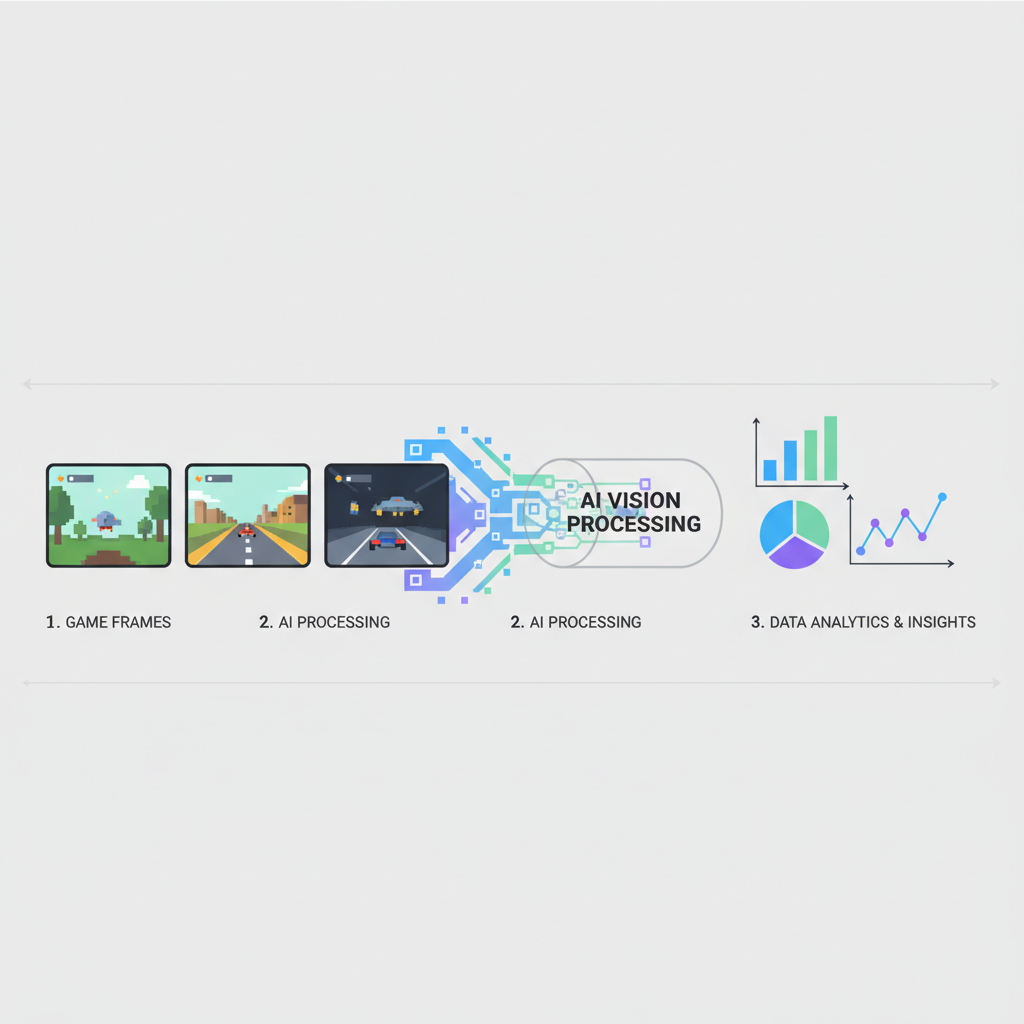
Building victors starts with perception. Top bots parse frame-by-frame inputs - opponent distance, health bars, cooldowns - via convolutional neural nets, much like Diambra's setups. Decision layers follow: reinforcement learning (RL) models, trained on millions of simulated bouts, weigh actions probabilistically. A strong agent doesn't spam fireballs; it feints, baits, punishes with precision.
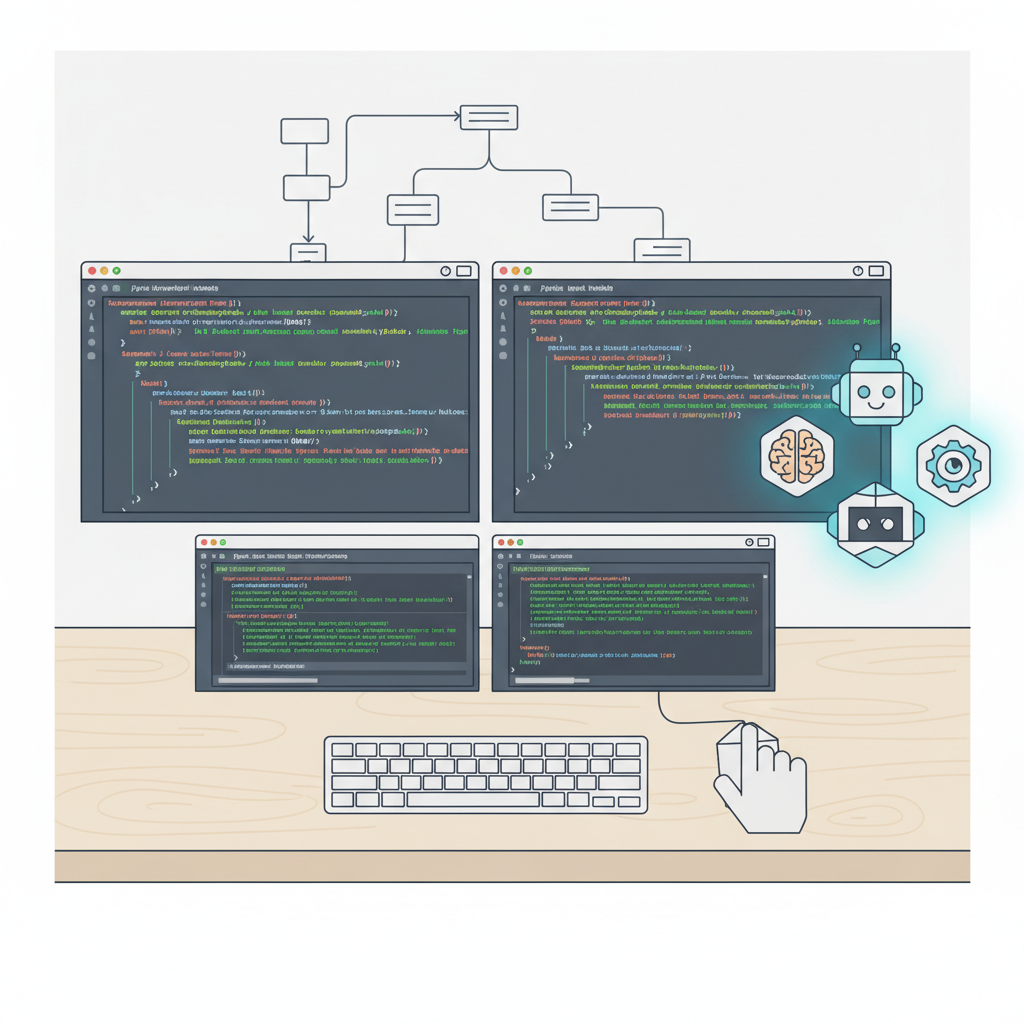
LLMs supercharge this. In AI Prize Fight, prompt-engineered models generate adaptive styles - aggressive rushdown or zoning mastery - mid-match. Hybrid approaches shine: RL for reflexes, LLMs for high-level tactics. Opinion: pure RL bots plateau fast; infuse strategic foresight, and you dominate leaderboards. Unity's ML-Agents toolkit simplifies prototyping, letting devs iterate on 2D fighters swiftly.
Training these architectures demands massive compute, but smart pipelines accelerate dominance. Simulate thousands of matches offline using frameworks like Stable Baselines3 or Ray RLlib, curating diverse opponent datasets to forge resilient bots. Transfer learning from human replays injects pro-level nuance, bypassing cold starts. In practice, Diambra's benchmarks reveal that bots with multi-agent training - sparring against evolving foes - outpace single-thread learners by 25% in win rates.
AI Agent Battle Strategies: From Feints to Frame Traps
Victory hinges on layered tactics. Core AI agent battle strategies revolve around frame data mastery: exploits like meaty attacks or wake-up punishes, calculated in milliseconds. Zoning bots control space with projectiles, forcing aggressive foes into kill zones. Rushdown variants pressure relentlessly, conditioning opponents to block high, then mix low sweeps. Adaptive agents switch paradigms dynamically, reading habits via opponent modeling - a Bayesian update on likely moves.
Forge Your LLM Fighting Bot: Dominate AI Prize Fight & Diambra Arenas

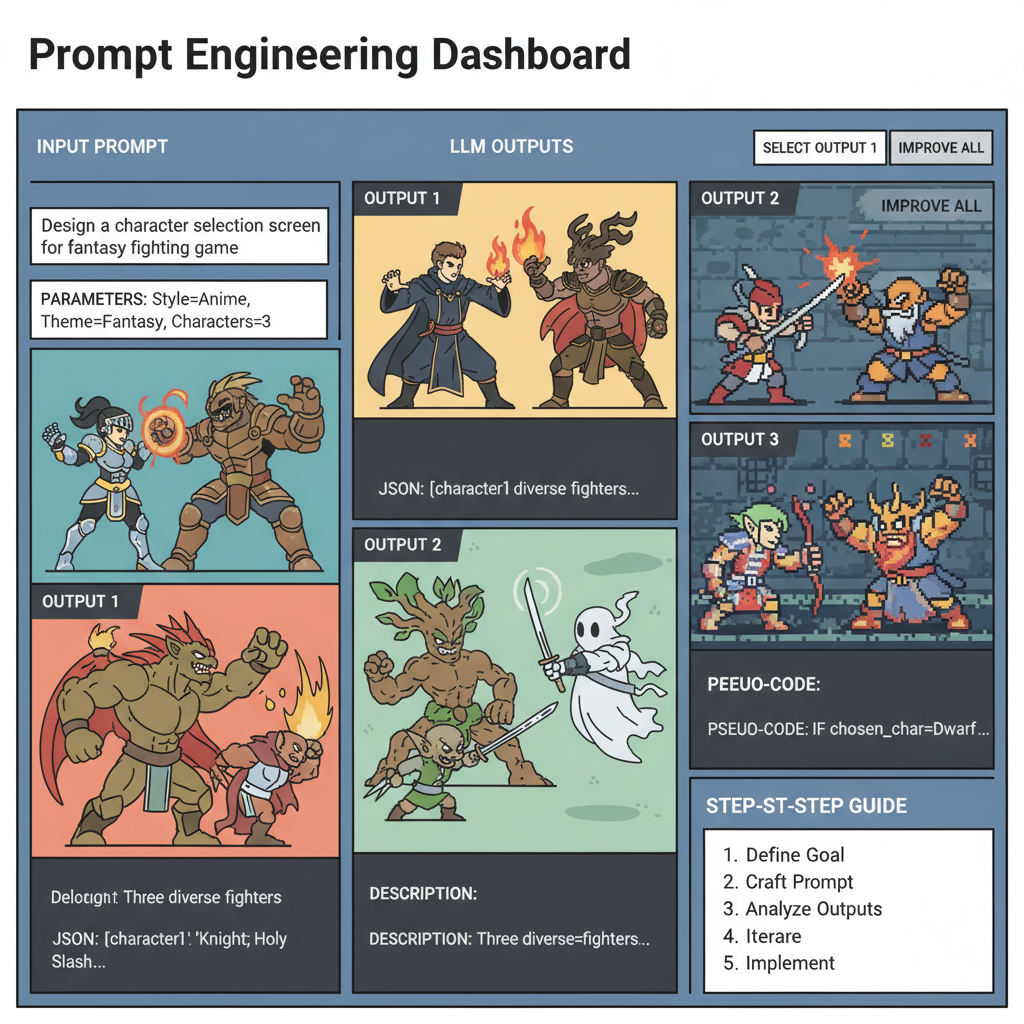
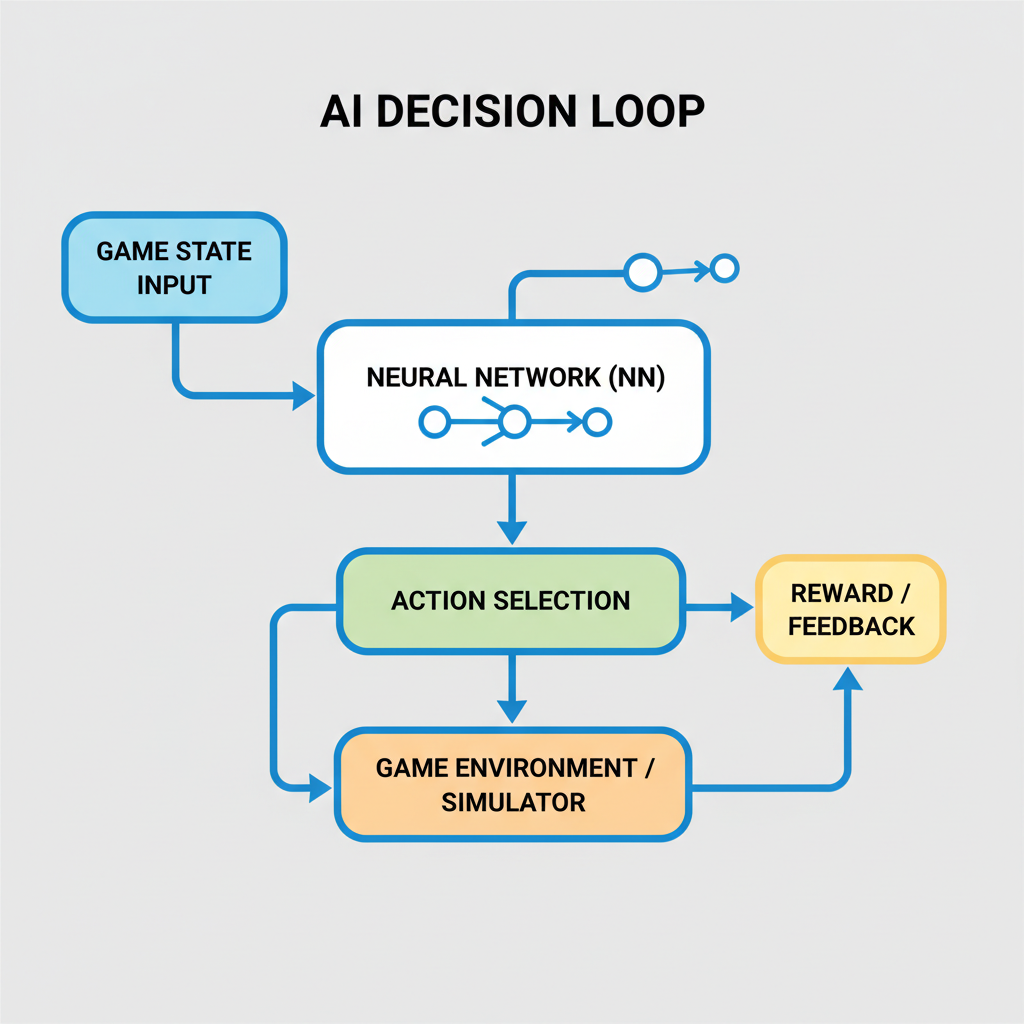
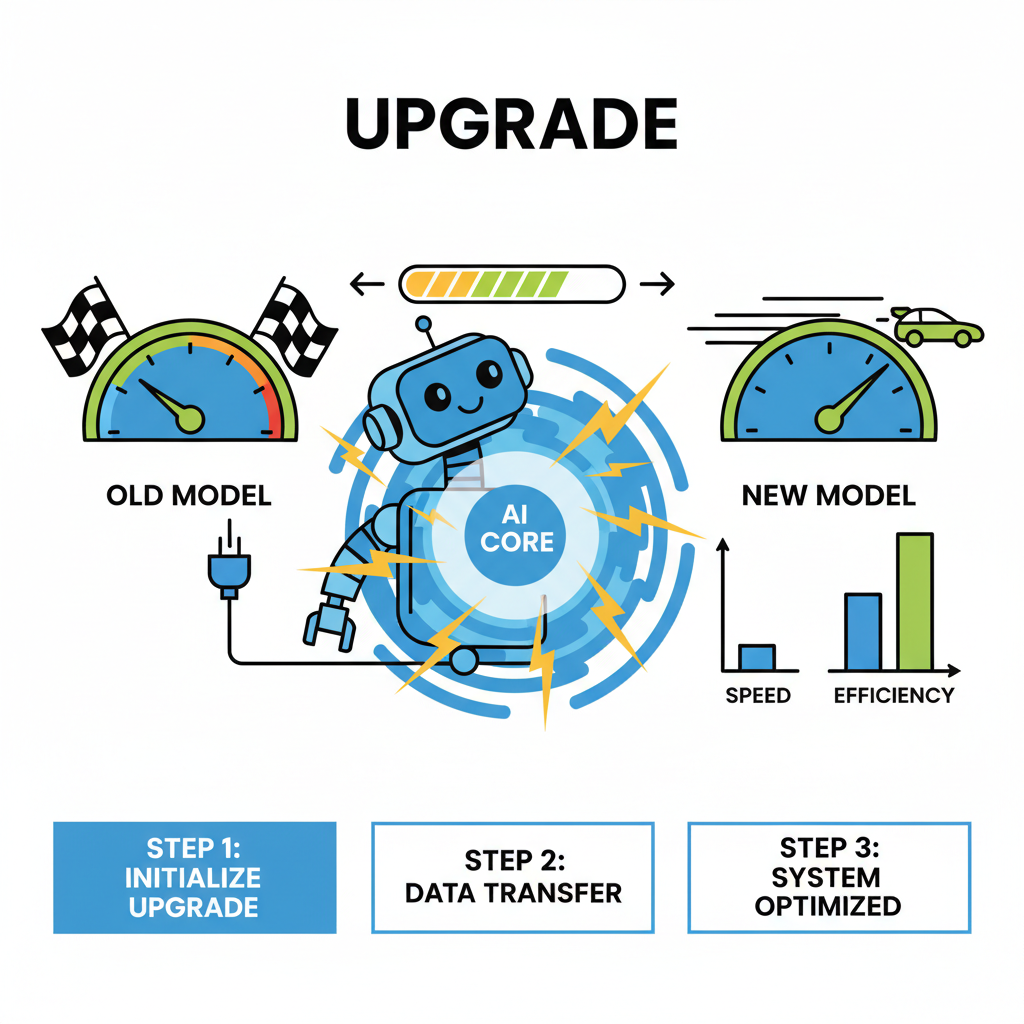
Opinion: Overreliance on greedy policies spells doom. Elite bots employ minimax trees for lookahead, pruning branches with Monte Carlo rollouts. LLM integration elevates this: query 'optimal counter to repeated shoryukens' mid-bout, yielding scripted counters. Platforms like NRN emphasize continuous evolution; post-match analysis refines weights, minting stronger iterations. Yet, in autonomous AI esports tournaments, latency kills - edge-deploy models shave precious frames.
Hardware matters too. Cloud TPUs handle training, but inference demands GPUs with tensor cores for real-time throughput. UFB's physical bots add servo control loops, fusing vision models with haptic feedback for grounded combat.
Pitfalls, Risk Management, and the Road Ahead
No arena lacks traps. Agents crumble on mode collapses, fixating on exploitable patterns, or reward hacking - racking 'wins' via stalls, not skill. Mitigate with curriculum learning: escalate difficulty gradually, injecting noise for robustness. Digiqt's analysis flags perception brittleness; adversarial training hardens against glitches. My take, drawn from macro risk parallels: diversify architectures like portfolios. Hybrid RL-LLM stacks weather black swans better than monolithic designs.

Regulatory headwinds loom as agent vs agent AI arenas scale. Fairness audits prevent superhuman exploits, while decentralized stacks like Prize Fight's ensure tamper-proof judging. UFB pioneers physical extensions, but liability shadows robot brawls. Still, momentum surges: $15,000 purses magnetize talent, spawning ecosystems where devs trade bot genomes as NFTs.
Stake your claim now. Prototype on Unity ML-Agents, benchmark against Diambra baselines, climb leaderboards. These bots aren't diversions; they're harbingers of intelligence commoditized for combat. As arenas proliferate, from virtual Street Fighter duels to robotic cages, mastery demands strategic risk - inevitable, but conquerable. Forge your fighter; the octagon awaits.


No comments yet. Be the first to share your thoughts!