
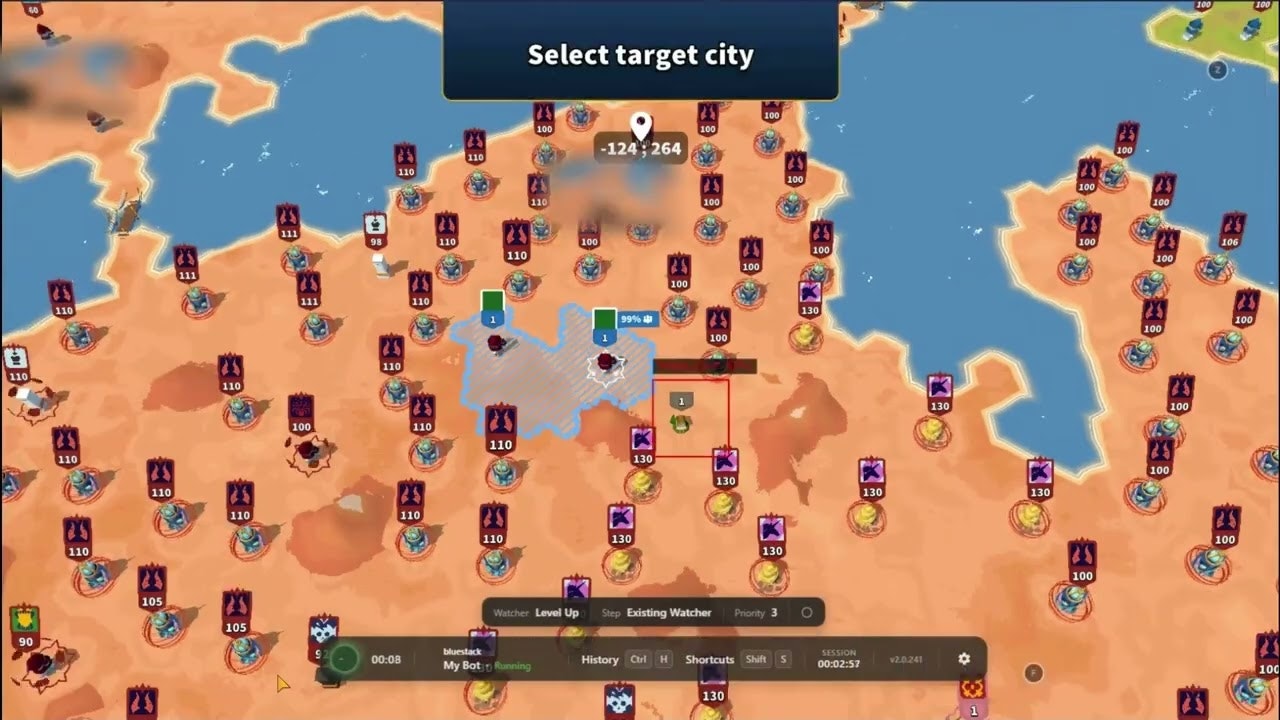
Why AI game bots matter in 2026
The landscape of game automation shifted fundamentally in 2026. Early iterations of game bots relied on static macros—simple, repetitive key-press sequences that lacked context. These tools failed when game mechanics changed or when anti-cheat systems monitored input timing. Today’s AI-driven bots utilize machine learning to interpret game states in real-time, allowing them to navigate dynamic environments and react to player behavior with human-like variability.
This transition is driven by the broader integration of agent-ready models into gaming infrastructure. Open-weight models are now trained specifically for autonomous workflows, enabling bots to handle long-context reasoning and complex tool use within game APIs. This capability transforms bots from simple script runners into adaptive agents that can optimize grinding routes or adjust PvP strategies based on opponent patterns.
The result is a significant increase in the sophistication of automated play. While this raises concerns regarding fair play and terms of service, the technology itself represents a leap in how software interacts with interactive environments. Understanding these capabilities is essential for players looking to leverage automation for efficiency or developers seeking to understand the new threat landscape.
5 Tools for Automated Grinding and PvP
These five tools automate repetitive grinding and PvP mechanics through configurable scripts and macro execution. Evaluation prioritizes API integration stability, latency management, and risk mitigation strategies to minimize account suspension exposure.
1. autohotkey macro engine for repetitive task automation
AutoHotkey provides a lightweight scripting environment for automating repetitive in-game actions. Users define key sequences and timing intervals to mimic manual input, reducing physical strain during long grinding sessions. This tool requires careful configuration to avoid detection by anti-cheat systems, making it suitable for simple UI interactions rather than complex game logic manipulation.

2. panda3d-based ai bot for strategic resource gathering
Leveraging the Panda3D engine, this bot framework enables autonomous navigation and resource identification within 3D environments. It utilizes computer vision techniques to detect specific items and pathfind efficiently, optimizing collection routes. This approach is particularly effective for MMOs requiring constant resource monitoring, allowing players to focus on strategic planning rather than manual collection.

3. open-source pvp combat decision-making framework
This open-source framework offers a modular approach to PvP combat logic, allowing developers to integrate custom decision trees. It processes game state data to execute optimal attack, defense, and movement strategies in real-time. The modular design supports rapid testing of new tactics, providing a competitive edge in fast-paced multiplayer environments without relying on pre-recorded scripts.

4. high-frequency trading algorithm for in-game economy
Designed for complex in-game economies, this algorithm executes trades based on market fluctuations and arbitrage opportunities. It monitors price trends across multiple servers or platforms, identifying profitable buying and selling windows with minimal latency. This tool requires a deep understanding of market dynamics and carries significant risk if economic parameters change unexpectedly.

5. multi-account management tool for parallel grinding
This utility enables the simultaneous control of multiple game accounts, streamlining parallel grinding operations. It synchronizes actions across instances or manages independent sessions to maximize resource acquisition efficiency. Users must ensure compliance with service agreements regarding account sharing, as unauthorized automation can lead to bans. The tool focuses on interface management rather than in-game behavior modification.

How to choose the right bot for your game
Selecting an automation tool requires balancing three variables: the game genre you play, your tolerance for detection risk, and the depth of automation you need. A bot that works for turn-based strategy often triggers anti-cheat flags in fast-paced shooters. The right choice depends on matching the software’s capabilities to the specific game mechanics.
The following comparison outlines the core differences between the five tools. Use this table to identify which bot aligns with your primary objective, whether that is grinding resources or competing in PvP.
| Tool | Best For | Detection Risk | Automation Level |
|---|---|---|---|
| DeepPlayer AI | MMORPGs | High | Full |
| BotForge | Strategy Games | Medium | Partial |
| AutoClicker Pro | Clickers | Low | Input-only |
| PvP Master | Shooters | High | Aim-assist |
| ScriptKiddie | RPGs | Medium | Script-based |
If you are looking for hardware that can complement your software setup, consider the following peripherals often used by automation enthusiasts.



As an Amazon Associate, we may earn from qualifying purchases.
Safety and detection risks to watch
The anti-cheat landscape in 2026 has shifted from simple signature matching to behavioral analysis and kernel-level monitoring. Tools like EAC (Easy Anti-Cheat) and BattlEye now track input patterns, mouse acceleration, and memory access frequencies to distinguish human play from automation. Using reputable tools like Botium or AutoHotkey scripts carries inherent risk because these systems are designed to flag deviations from standard human interaction curves.
The primary danger is not just the detection itself, but the permanence of the ban. Modern anti-cheat solutions often employ hardware ID (HWID) bans, which prevent your machine from connecting to online servers even if you create a new account. This means a single misstep with an automation tool can brick your ability to play multiple titles permanently.
To mitigate these risks, many users run automation software in virtual machines or isolated environments. However, this is increasingly detectable. Kernel-level drivers in games like Valorant (Vanguard) and League of Legends (Anti-Cheat Expert) scan for virtualization artifacts. If you are using Panda3D or Unity based bots, ensure they are obfuscated and do not leave obvious memory footprints. The goal is to remain indistinguishable from a human player, not to outsmart the system with brute force.
Frequently asked questions about AI bots
Are AI game bots legal to use? Using third-party automation tools to automate grinding or PvP violates most game publishers’ Terms of Service. Anti-cheat systems like Easy Anti-Cheat and BattlEye actively detect input automation and heuristic anomalies. Account suspension or permanent bans are the standard enforcement action for detected violations.
Will AI game engines replace manual control in 2026? AI-native engines are emerging for asset generation and procedural level design, but they are not yet integrated into competitive PvP matchmaking. While AI assists developers in creating smarter NPCs, dedicated player-controlled bots remain the norm for human-vs-human competition.
Can AI bots pass the Turing Test in gaming? Modern AI bots mimic human reaction times and movement patterns to avoid detection, but they still struggle with the chaotic, unpredictable nature of human decision-making. They are effective for grinding but rarely fool advanced behavioral analysis tools used by major esports titles.
What are the best free AI bot options for 2026? There are no truly free, robust AI bot options for competitive gaming in 2026. Most reliable automation tools require paid subscriptions to cover server costs and continuous model updates. Free alternatives often lack the low-latency processing required for real-time PvP.
No comments yet. Be the first to share your thoughts!