

Game development cycles used to be measured in years, sometimes stretching across entire console generations. Now, with the rapid adoption of artificial intelligence, leading studios are compressing what once took years into mere months. This isn’t marketing hype - it’s a measurable shift driven by the concrete capabilities of AI agents and generative models.
The Acceleration: Fact or Fiction?
According to a recent Google Cloud and Harris Poll survey, 87% of game developers in major markets have already integrated AI agents into their workflows. These aren’t just experimental tools; they’re actively expediting key stages like playtesting, game balancing, localization, and code generation. For instance, 47% of surveyed developers use AI for faster playtesting and balancing, while 44% rely on AI for code generation and scripting (PC Gamer).
The numbers are even more dramatic at the studio level. Game Gears, part of GDEV Gaming Holding, claims that AI has accelerated their entire development process by a factor of four. In asset creation - traditionally one of the most time-consuming aspects - 2D and 3D content production is now up to 30 times faster than manual workflows (Game World Observer).

Inside the Studio: Where AI Delivers Speed
The transformative impact of AI accelerated game development is most visible in asset creation pipelines. Take Electronic Arts (EA): CEO Andrew Wilson recently revealed that building a stadium for one of their sports games used to take six months. With generative AI in the loop, that timeline has shrunk to just six weeks - and could soon drop to six days (TechSpot). Similarly, Ubisoft’s FaceShifter tool leverages machine learning to generate secondary character heads in less than half a day instead of a full week (Yahoo Tech).
This kind of speedup isn’t just about brute force automation. Studios are deploying proprietary generative models trained on their own data sets to ensure consistency and protect intellectual property. The result: higher output at lower cost without sacrificing creative control.
Beneath the Surface: Not All Timelines Shrink Equally
Cautiously, it’s important to recognize that not every phase benefits equally from AI tools. While asset pipelines see exponential gains, integrating these new technologies can initially slow down overall production as teams adapt workflows and resolve compatibility issues. The Unity 2024 Gaming Report found that despite these advances, average time-to-launch actually increased from 218 days in 2022 to 304 days in 2023 (CyberNews). This paradox highlights a key reality: adopting cutting-edge technology introduces its own friction before yielding full benefits.
Top 5 Ways Studios Use AI to Accelerate Game Development
- Automated Asset Creation: Studios leverage AI-powered tools like Ubisoft’s FaceShifter to generate 2D and 3D assets rapidly. For example, FaceShifter reduces the time to create high-resolution character heads from a week to less than half a day, freeing artists to focus on main characters.

- Generative AI for Environment and Level Design: AI models are used to quickly prototype and iterate on game environments and levels. This enables teams to experiment and refine gameplay much faster than traditional manual design methods.
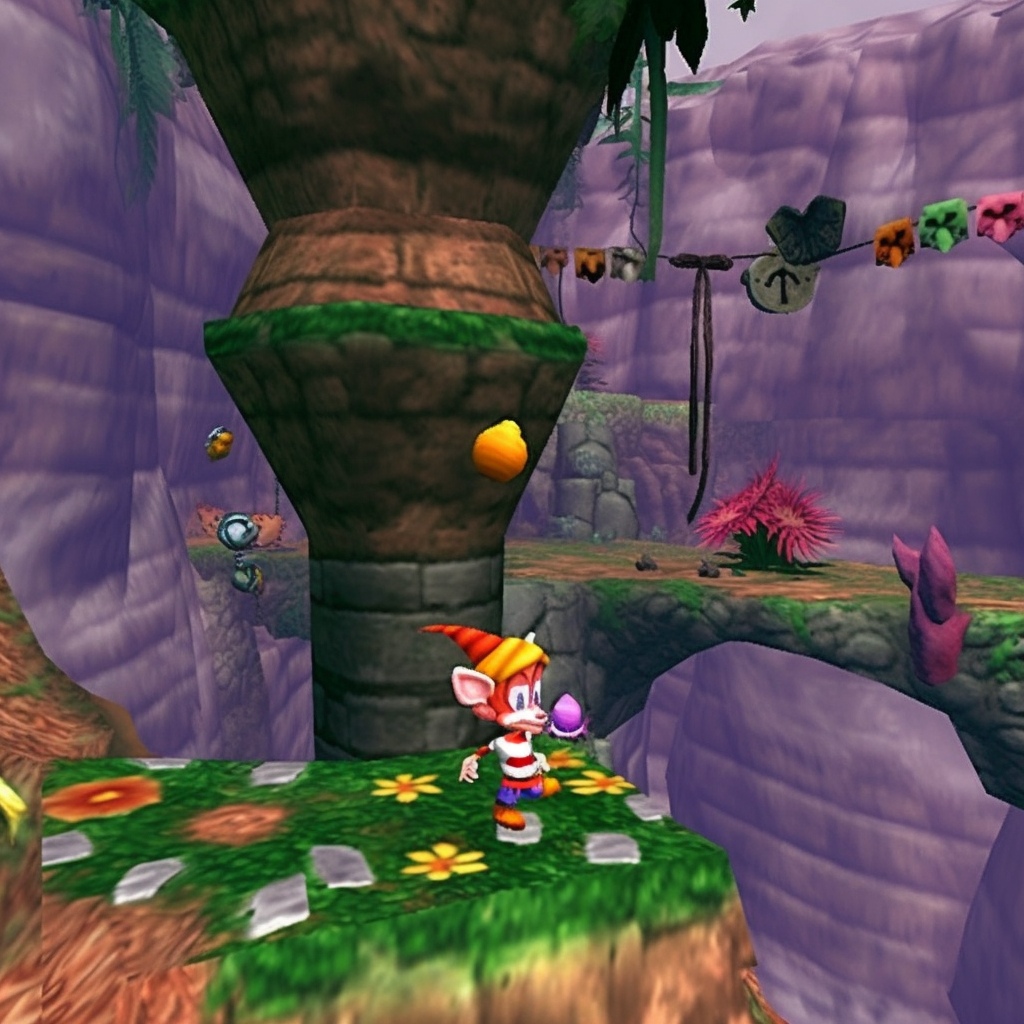
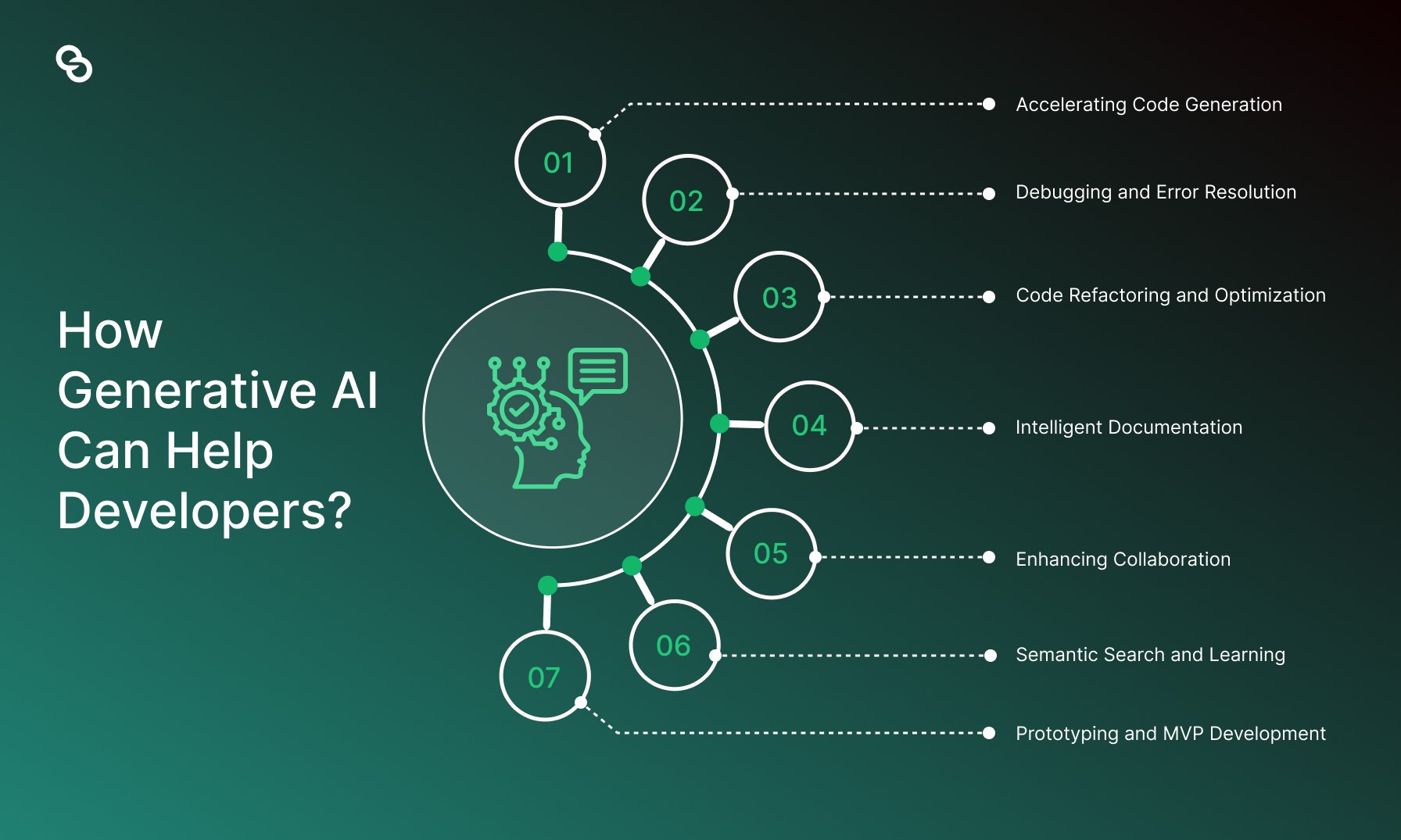
- AI-Assisted Code Generation and Scripting: Studios employ AI agents to automate code writing and scripting, expediting the development of game mechanics and features. According to a Google Cloud survey, 44% of developers now use AI for these tasks.
- Automated Playtesting and Game Balancing: AI-driven agents simulate player behavior to identify bugs, balance issues, and gameplay bottlenecks. Nearly half of surveyed developers use AI to speed up playtesting and balancing, leading to more polished releases.
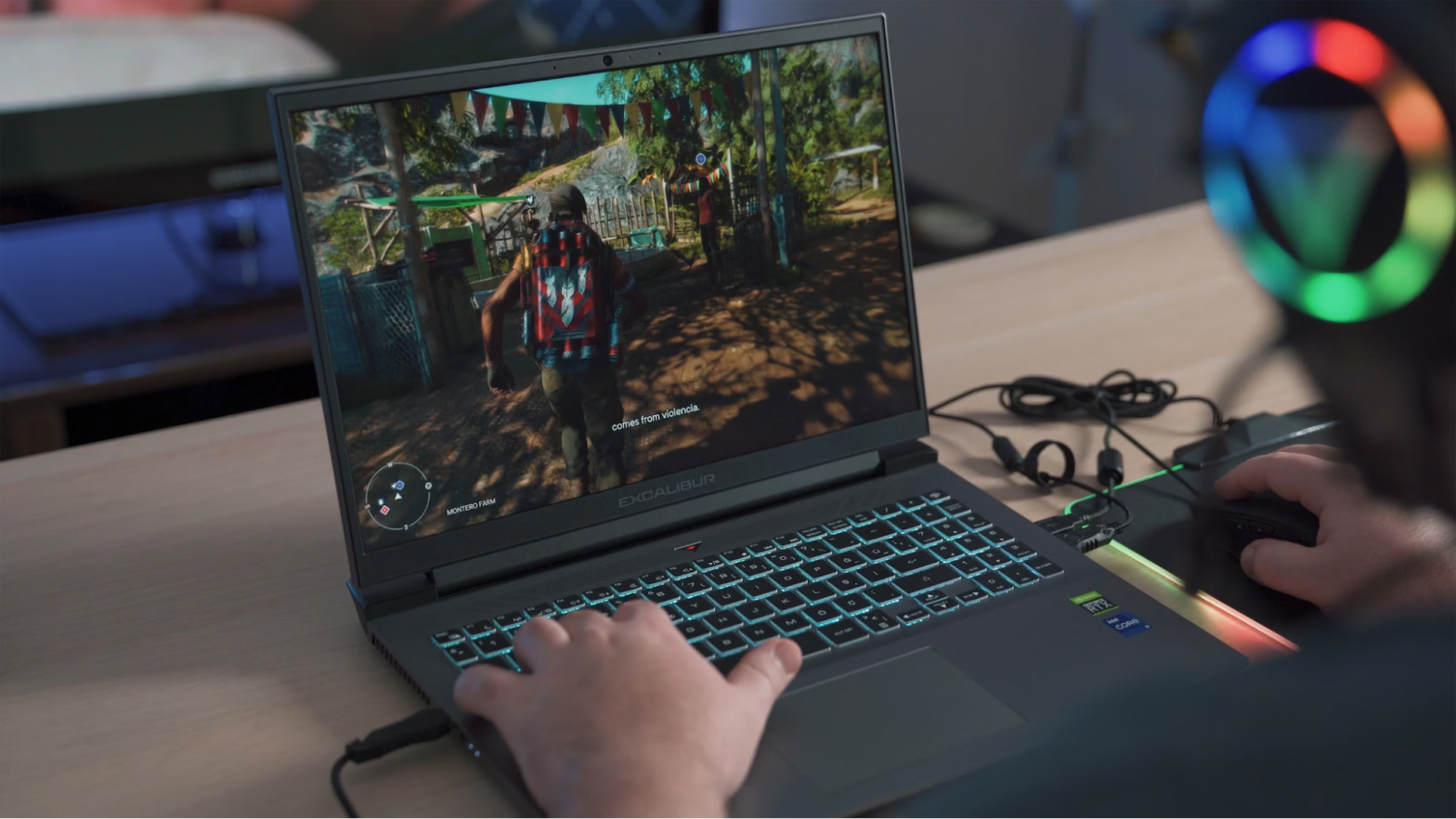
- Streamlined Localization and Translation: AI translation tools help studios localize games for global markets much faster and more accurately. 45% of developers utilize AI for localization, reducing the time and cost of reaching international audiences.

The net effect is clear - as studios master integration challenges, the promise of faster game development with AI becomes reality. But this transition period demands patience and careful workflow engineering.
Once studios overcome the learning curve, the compounding benefits of AI tools become undeniable. Automated playtesting can uncover bugs and balance issues at a scale impossible for human QA teams, enabling developers to iterate rapidly and fine-tune gameplay mechanics in record time. Localization powered by AI not only translates text but adapts cultural references and idioms, shrinking the global launch window from months to weeks. And with generative models now capable of producing in-game ready 3D assets, artists are freed from repetitive grunt work to focus on creative direction and polish.
Risks and Realities: Balancing Speed With Quality
Despite these leaps forward, caution remains warranted. Generative AI excels at rapid output but can introduce subtle quality control issues if left unchecked. Studios report that AI-generated art or code often requires human review to ensure it meets project standards and creative vision. The deeper truth is that while AI is a force multiplier for productivity, it is not yet a substitute for original artistic direction or narrative design (Medium).
Moreover, proprietary model training has become a necessity for AAA studios seeking both speed and IP protection. By training on internal data sets, studios avoid copyright pitfalls while tailoring outputs to their house style, though this introduces new costs in terms of data curation and infrastructure.
What’s Next? The Future of AI Game Production Speed
The next frontier lies in end-to-end automation across the entire game production lifecycle. Industry leaders like NVIDIA are investing heavily in scalable, secure platforms designed specifically for AI game production speed. Already, some studios envision a near future where prototyping, asset creation, testing, localization, and even certain aspects of design are handled by interconnected AI agents working collaboratively (NVIDIA).
This vision isn’t just theoretical. As seen with EA’s stadium example, shrinking six months of work into six weeks, incremental improvements accumulate quickly. If these trends hold, we may soon see blockbuster titles conceived and delivered within a single year without compromising on scope or polish.
For players and developers alike, this era of accelerated production promises richer worlds released more frequently, but also raises questions about job roles, creative authorship, and long-term sustainability. Studios must remain vigilant against over-reliance on automation at the expense of innovation or team well-being.
Takeaways: AI’s Role in the New Development Paradigm
The data is clear: AI tools in game studios are enabling unprecedented efficiency gains across asset pipelines, playtesting loops, localization efforts, and more. Yet these gains come with growing pains as teams recalibrate around new workflows and quality assurance processes. Ultimately, the studios that thrive will be those who blend human creativity with machine-driven speed, compressing years into months while preserving what makes games memorable.




No comments yet. Be the first to share your thoughts!