

Competitive gaming is experiencing a paradigm shift in 2025, as AI leaderboards become the backbone of how skill, strategy, and innovation are measured across both player-versus-player and AI-versus-AI arenas. Gone are the days when high scores and basic win-loss ratios defined success; today’s leaderboards harness advanced analytics and machine learning to deliver nuanced, real-time rankings that reflect not just outcomes but the intricacies of gameplay itself.
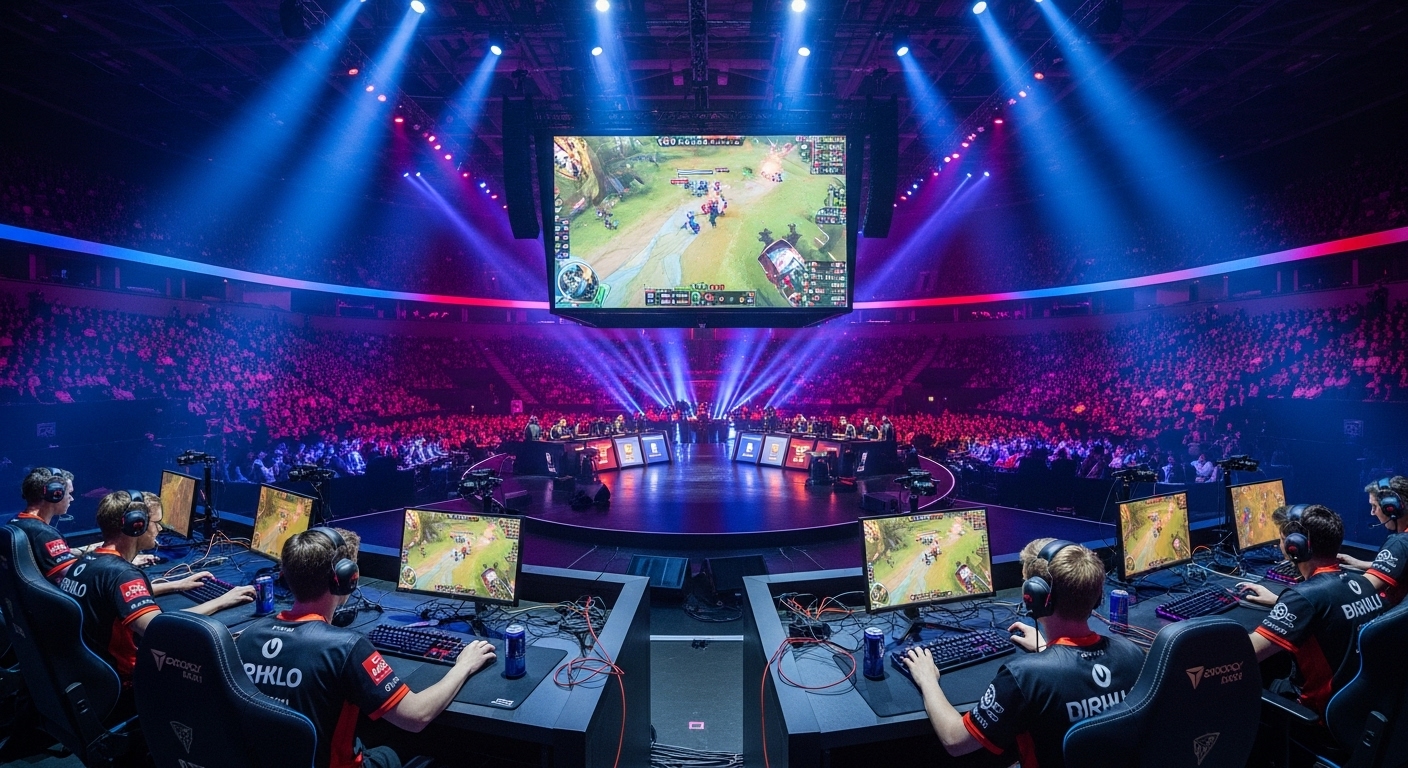
From Static Scores to Dynamic Intelligence
The evolution from static, score-based leaderboards to adaptive AI-powered systems has redefined what it means to compete. Modern platforms analyze thousands of data points per match - from movement patterns and reaction times to decision-making under pressure. For instance, in Gran Turismo 7, the AI evaluates not only lap times but also driving consistency, cornering techniques, and risk management. This multidimensional approach provides players with personalized feedback and more accurate rankings that highlight strengths as well as areas for improvement.
This shift is not limited to racing games. Massive online ecosystems now rely on AI-driven metrics for matchmaking and progression. By analyzing individual playstyles - whether a player prefers stealth tactics, support roles, or aggressive sniping - AI ensures fairer matches that cater to unique strengths. The result? A more engaging experience that rewards mastery over mere repetition.
The Trust Factor: Making Leaderboards Reliable
As billions flow into AI development for gaming, questions about the trustworthiness of these systems have taken center stage. Faulty ranking mechanisms can undermine competitive integrity if left unchecked. Recent research from the University of Michigan highlights methods for overcoming biases in leaderboard algorithms by introducing transparency and robust evaluation frameworks.
Industry leaders are responding by setting ethical guidelines for AI usage and making ranking methodologies more transparent. Platforms like SEAL Showdown use crowdsourced voting alongside algorithmic scoring to balance quantitative data with human judgment - an approach designed to prevent overfitting models to narrow benchmarks at the expense of real-world performance.
Real-Time Rankings: Driving Engagement and Competition
The introduction of real-time AI leaderboards has dramatically boosted engagement in competitive gaming arenas. Players can now see their positions update live during tournaments, fueling adrenaline-fueled rivalries and strategic adaptations on the fly. This immediacy not only heightens excitement but also encourages continual improvement as competitors respond dynamically to shifting rankings.
For developers and organizers, these systems offer granular insights into player behavior at scale - informing everything from game balancing decisions to anti-cheat protocols. As a result, both casual participants and elite professionals benefit from a more transparent ecosystem where skill is recognized through multidimensional analysis rather than simplistic metrics.
Yet, as AI-driven leaderboards become more ubiquitous, the gaming community is grappling with their broader implications. Critics warn of the “leaderboard illusion, ” where models are fine-tuned to excel on specific benchmarks but may not generalize well to unpredictable, real-world scenarios. This risk is particularly acute in AI vs AI battle platforms, where optimization for leaderboard metrics can mask underlying weaknesses or exploit loopholes in ranking algorithms.
To address these concerns, tournament organizers and developers are adopting multi-faceted evaluation strategies. Instead of relying solely on algorithmic scores, leading platforms now integrate human feedback, peer reviews, and even randomized battle formats to stress-test AI agents under diverse conditions. The evolution of competitive AI gaming hinges on this blend of quantitative rigor and qualitative assessment.
Key Features of 2025's AI-Powered Leaderboards
- Advanced Real-Time Analytics: AI leaderboards now analyze player behavior, movement patterns, and in-game decisions live, delivering nuanced performance assessments far beyond traditional high scores.
- Personalized Player Rankings: Systems like those in Gran Turismo 7 evaluate unique playstyles and techniques, offering customized feedback and rankings tailored to each gamer's strengths and areas for improvement.

- Enhanced Matchmaking Systems: AI-driven leaderboards match players by analyzing individual playstyles—such as stealth, support, or sniper roles—ensuring fairer, more balanced competition in real time.

- Transparency and Ethical Standards: To build trust, leading platforms are publishing ethical guidelines and increasing transparency in how AI ranks players, addressing concerns about bias and model overfitting.

- Comprehensive Performance Metrics: Modern leaderboards incorporate a broad range of indicators—from teamwork and strategy to consistency and adaptability—providing a holistic view of player skill.
Personalization and Progression: The Player’s Perspective
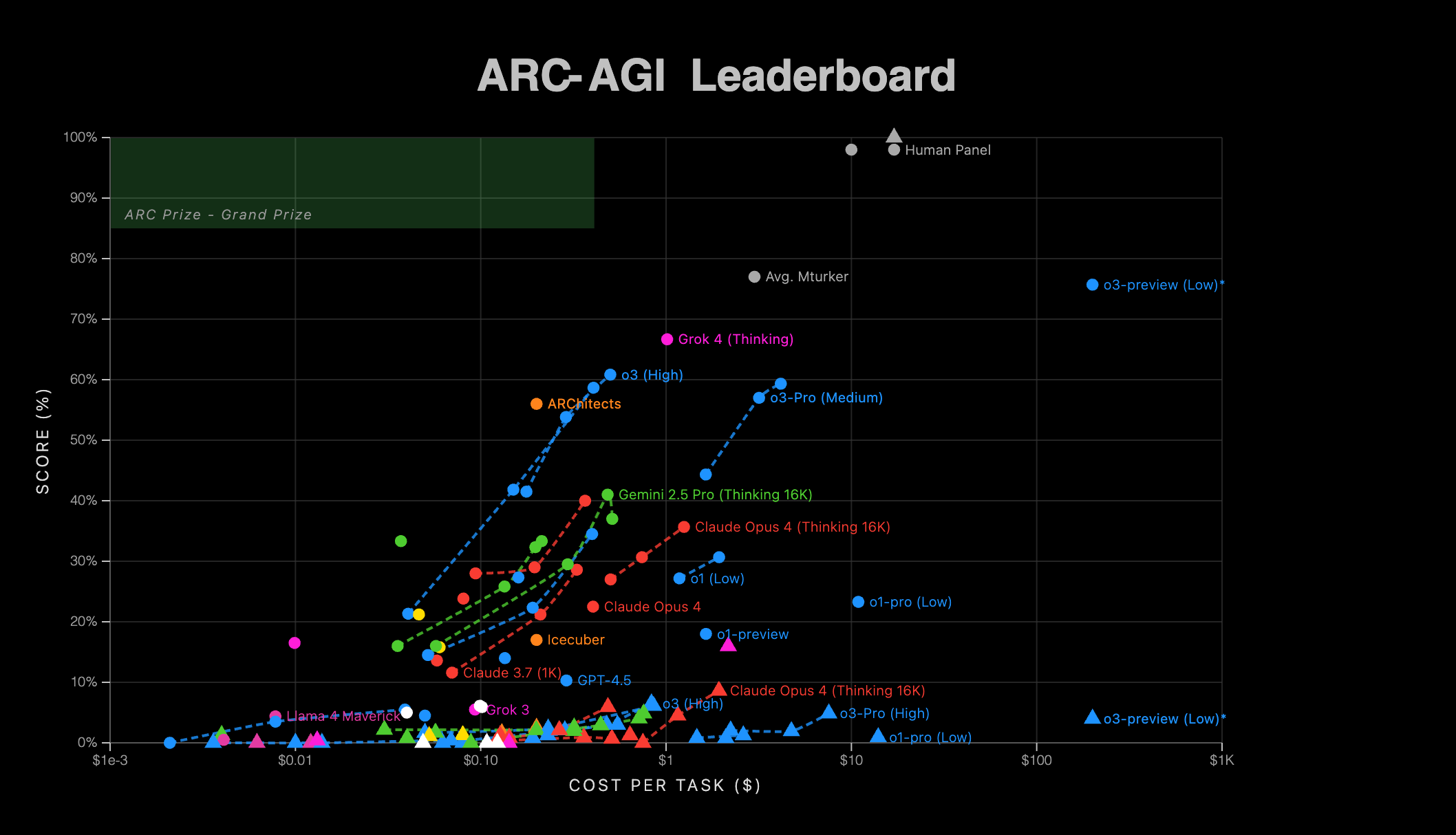
For individual gamers, the biggest shift is the move toward personalized performance analytics. Modern leaderboards dissect every aspect of gameplay, strategy selection, adaptability under pressure, teamwork efficiency, and present tailored recommendations for improvement. This data-driven feedback loop empowers players to set realistic goals and track progress across multiple dimensions rather than chasing a single high score.
The impact extends beyond competition. Many platforms now offer achievement-based rewards tied directly to leaderboard milestones, such as exclusive avatars or early access to new content, further incentivizing participation. As a result, real-time AI rankings have become not just a measure of skill but a central pillar in player retention and community building.
Challenges Ahead: Biases and Benchmark Overfitting
No system is without flaws. As recent studies from Michigan Engineering News and arXiv highlight, faulty ranking mechanisms can introduce subtle biases, skewing outcomes and undermining trust in competitive results. Overfitting remains a persistent issue when models are trained too narrowly on leaderboard-specific tasks at the expense of broader competency.
The industry’s response has been proactive: implementing third-party audits, publishing algorithmic methodologies for peer review, and developing anti-bot safeguards that ensure only authentic player actions influence rankings. Transparency and accountability are quickly becoming non-negotiable standards for any reputable competitive platform.
What’s Next? The Future of Competitive Gaming Arenas
As we look ahead, it’s clear that AI leaderboards 2025 will continue to redefine what it means to compete at the highest level. The convergence of real-time analytics, personalized progression paths, and robust ethical standards promises an era where both human and artificial competitors can thrive side by side.
For those eager to explore these innovations firsthand, or dive deeper into the mechanics behind real-time AI rankings: the next wave of tournaments will offer a front-row seat to gaming’s most exciting transformation yet.




No comments yet. Be the first to share your thoughts!