
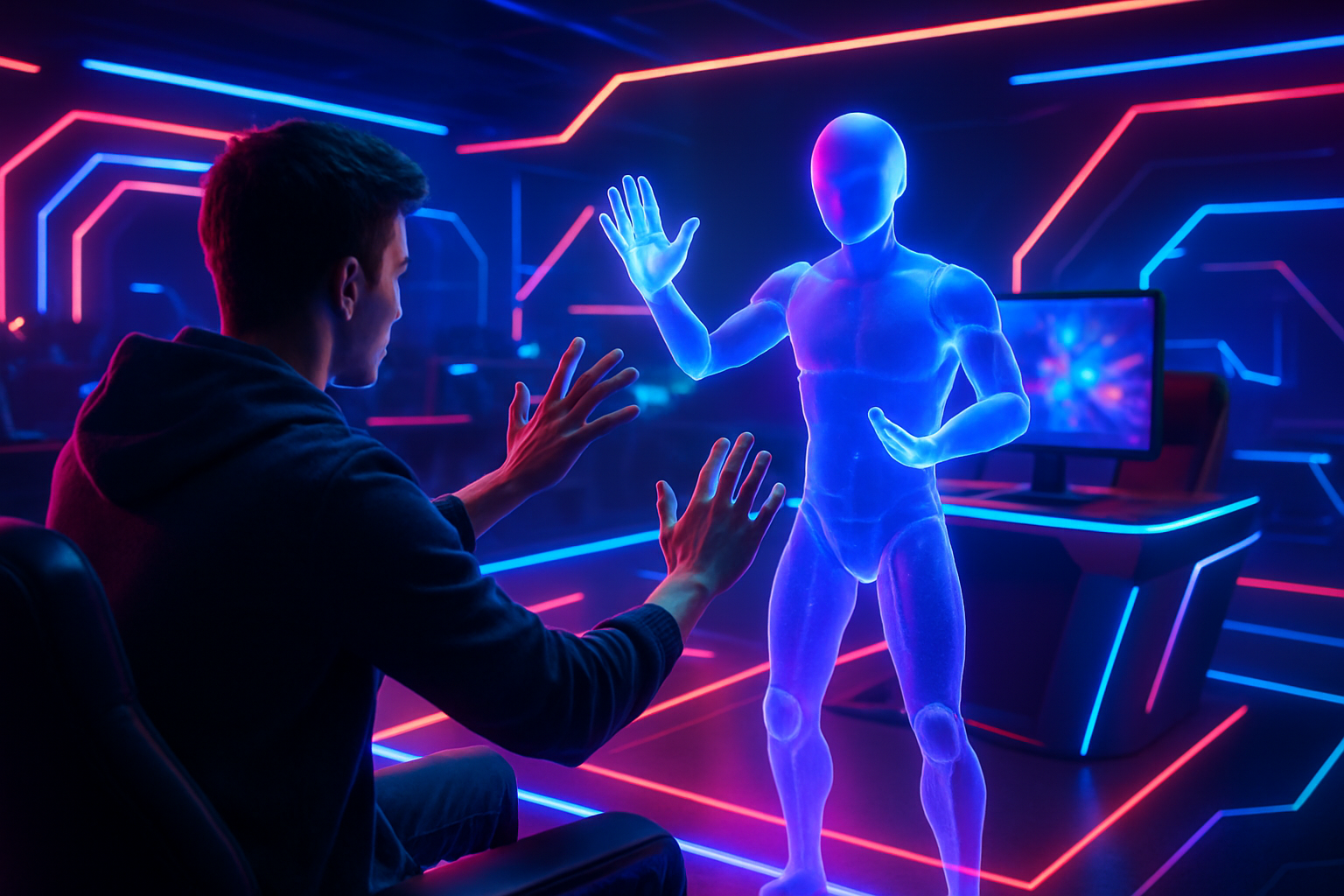
Imagine controlling your favorite game not with a joystick or mouse, but with a wave of your hand. This is no longer science fiction - gesture-based AI game controls are rapidly transforming how players interact with digital worlds. By harnessing the power of machine learning and computer vision, these systems interpret real-time hand movements, opening up new frontiers in immersive gameplay and accessibility.
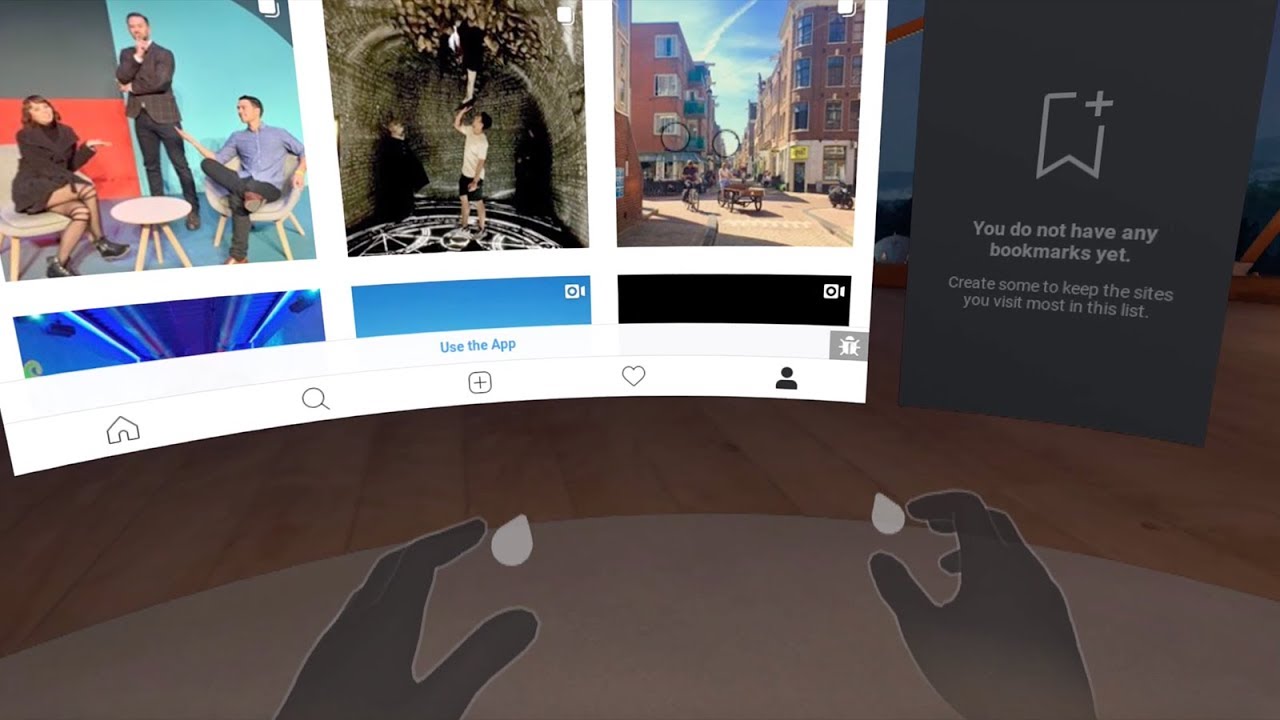
The Rise of Gesture-Based AI Game Controls
Gesture-based AI controls are not just a futuristic gimmick - they’re already reshaping the gaming landscape. Companies like Vihaan AI Games have launched products including STEER MASTER AI, letting players steer vehicles in racing games using nothing but their hands. Likewise, Telep Gamification AI converts real-time hand movements into seamless in-game actions through deep learning-powered hand tracking (source). These innovations offer touchless interaction and adaptive gameplay, deeply engaging users while removing barriers imposed by traditional controllers.
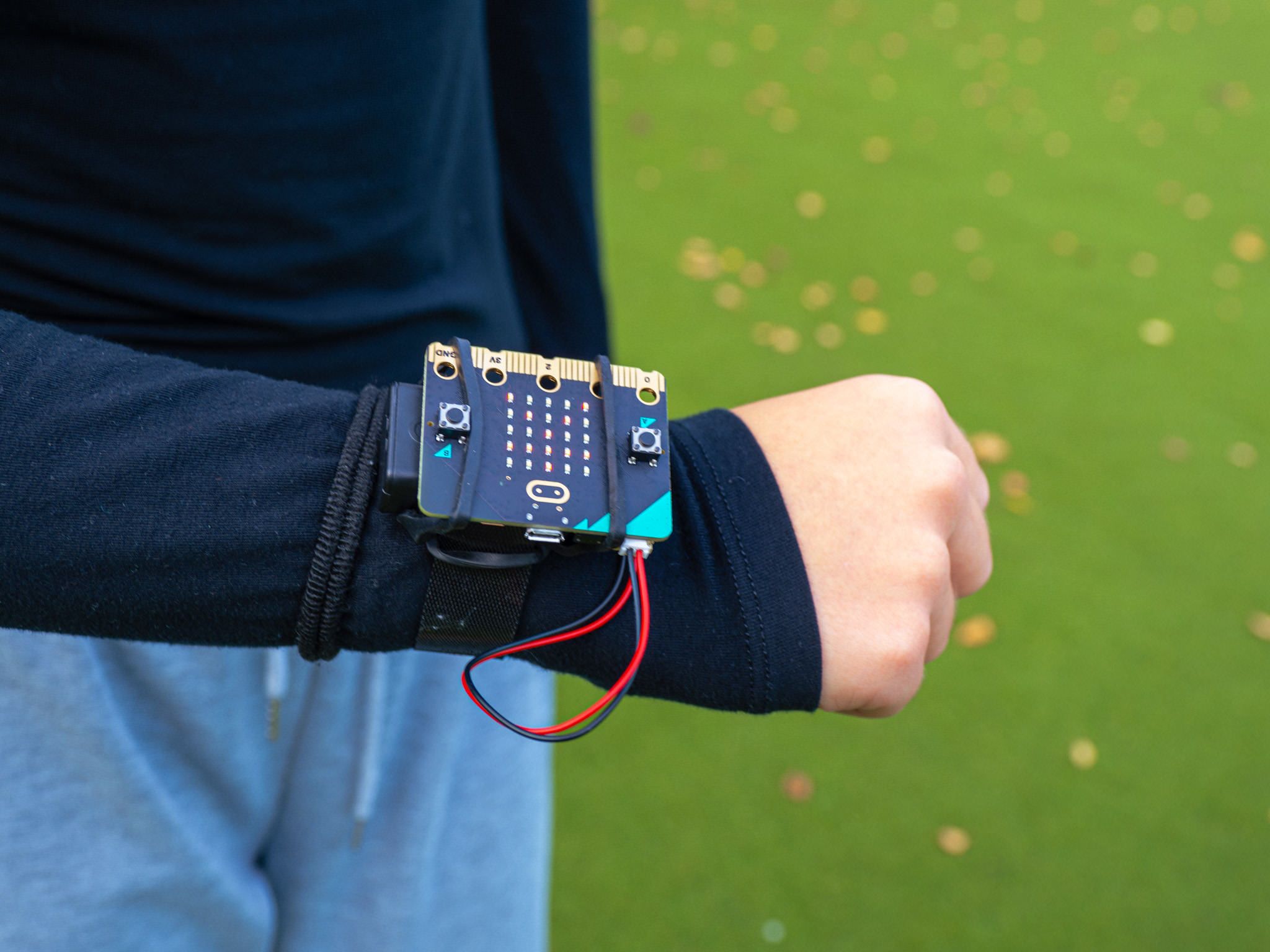
The educational sector is also embracing this trend. Platforms like CreateAI for micro: bit allow students to train machine learning models on their own movement data and deploy them directly onto micro: bit devices (source). Tutorials from organizations such as STEMpedia guide aspiring developers through building gesture-controlled games using tools like PictoBlox, making advanced concepts accessible even to beginners (source).
How Machine Learning Powers Gesture Recognition
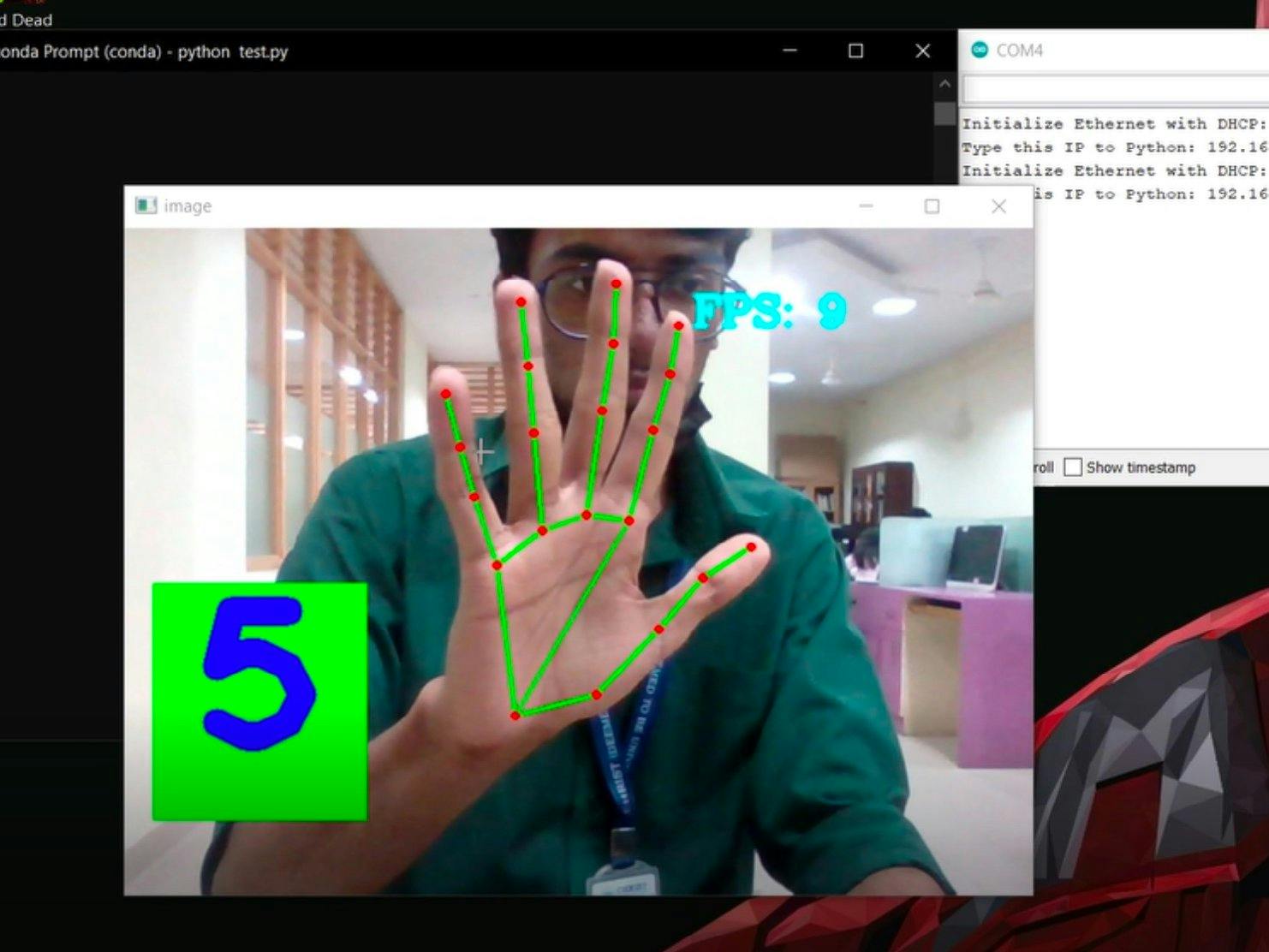
The secret sauce behind these intuitive controls is machine learning. Convolutional Neural Networks (CNNs) and Vision Transformers (ViTs) are trained on massive datasets of hand movements, enabling them to recognize subtle differences between gestures. Libraries like OpenCV and Mediapipe provide the real-time tracking backbone that makes these experiences feel instantaneous.
This technology doesn’t just enable new games - it can retrofit existing titles too. By mapping specific gestures to in-game actions, developers can add an entirely new layer of interaction to classic favorites (source). The result? Players can punch, jump, or cast spells simply by moving their hands in front of a camera.
Key Benefits of Gesture-Based AI Game Controls
- Enhanced Immersion: Players experience a deeper connection with games as their real-world movements directly translate into in-game actions, making gameplay more intuitive and engaging.
- Greater Accessibility: Gesture controls can lower barriers for individuals with physical disabilities, offering alternative ways to interact with games beyond traditional controllers.
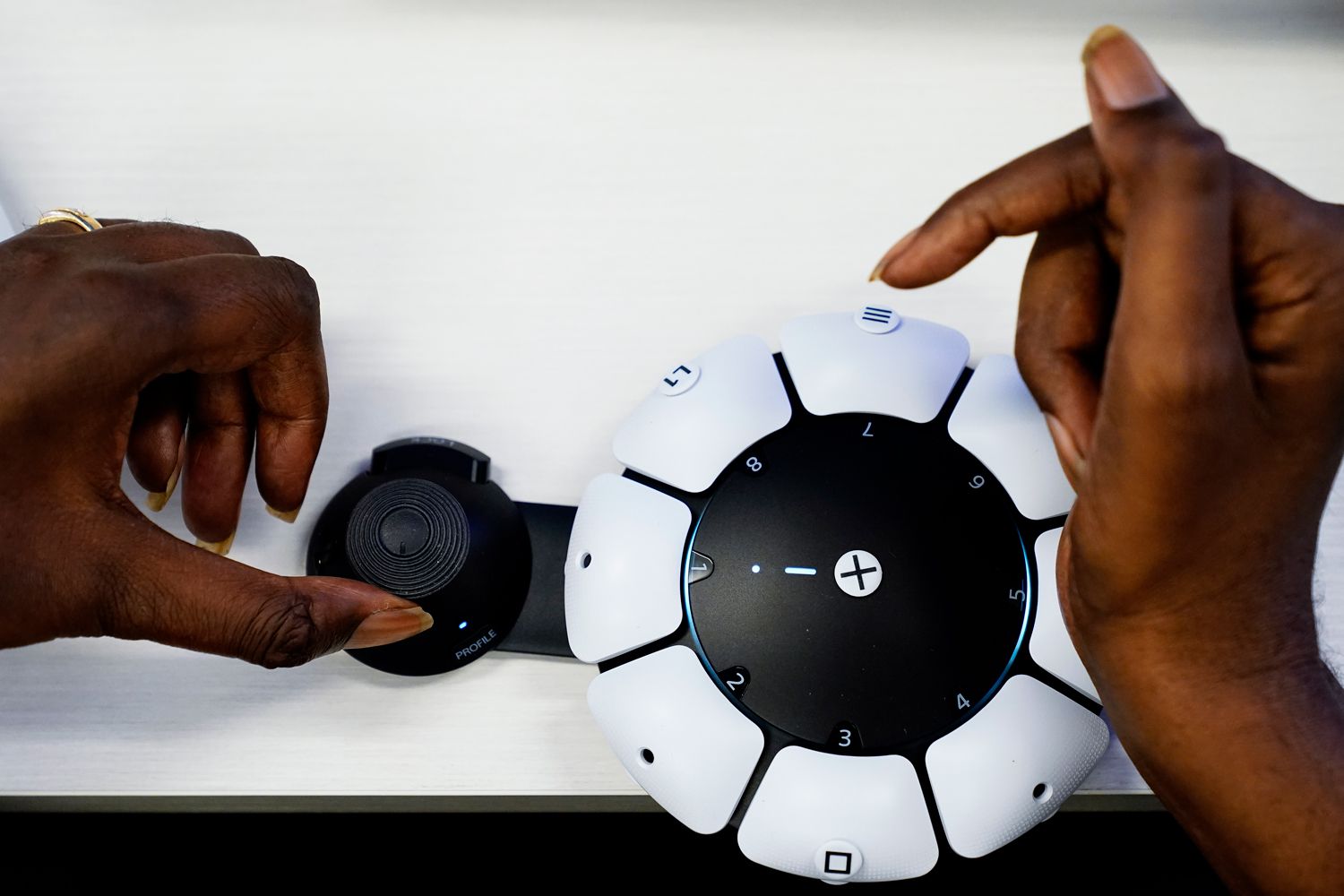
- Innovative Gameplay Mechanics: Developers can design unique and creative game experiences centered around gesture inputs, leading to fresh and engaging play styles not possible with standard controls.
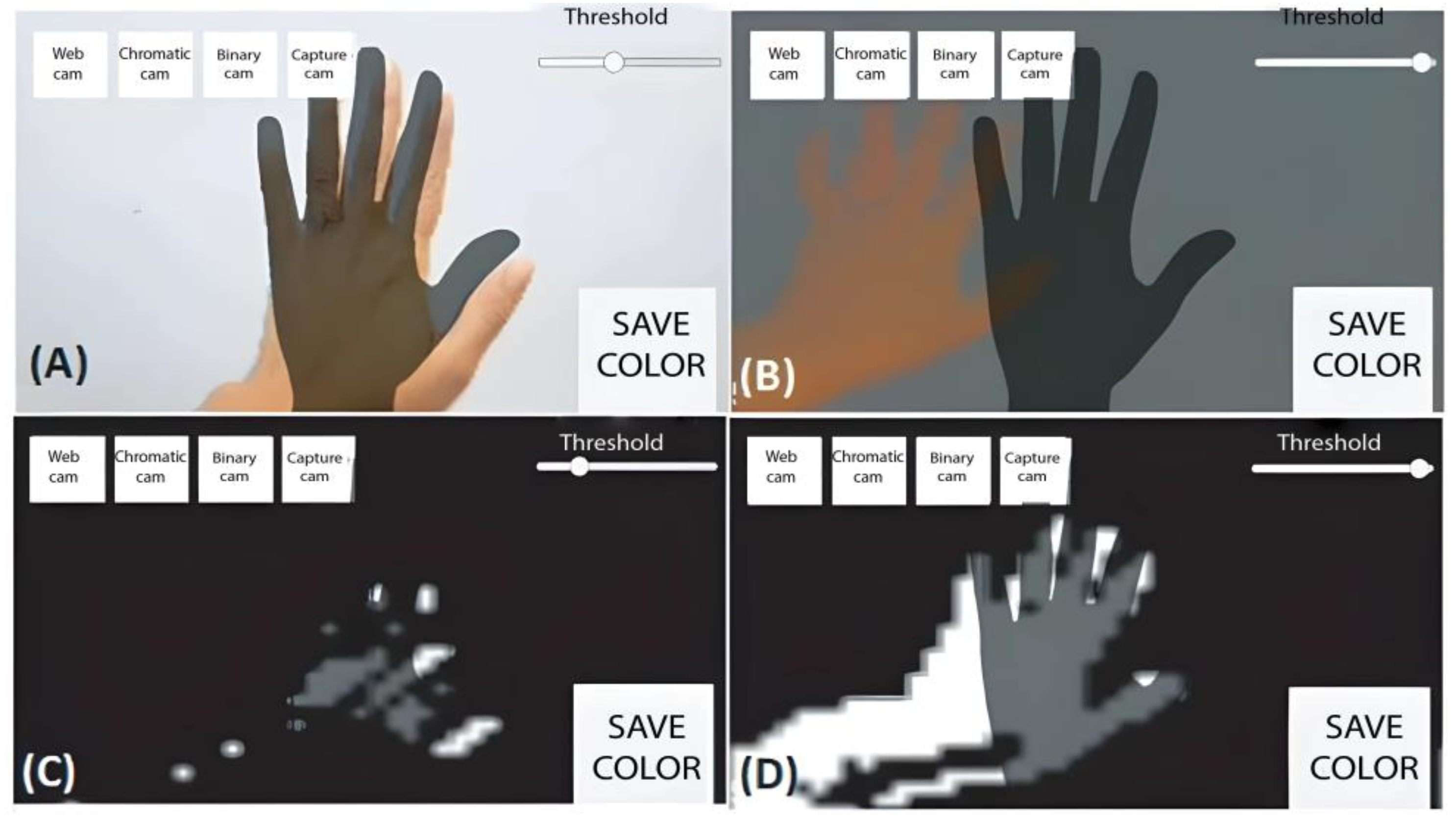
- Hands-Free Interaction: Solutions like AiVMouse and Telep Gamification AI enable touchless navigation, reducing the need for physical contact with devices and enhancing hygiene and convenience.
- Educational Opportunities: Platforms such as micro:bit CreateAI and STEMpedia empower students and enthusiasts to learn about AI, machine learning, and game development through hands-on gesture-controlled projects.
Pushing Boundaries: Accessibility and Innovation
Gesture-based controls aren’t just about novelty - they’re about inclusion. For gamers who find traditional controllers challenging due to physical disabilities, gesture recognition opens up entire genres previously out of reach. Developers are already leveraging this technology to design unique mechanics centered around natural movement, resulting in gameplay that feels both fresh and inviting.
However, there are challenges to overcome. Achieving high accuracy across diverse users and environments remains a technical hurdle. Latency must be minimized so that every gesture translates instantly into action; otherwise immersion breaks down. There’s also the risk of user fatigue if control schemes aren’t ergonomically designed for long play sessions.



No comments yet. Be the first to share your thoughts!