

Artificial intelligence is redefining the boundaries of game development, offering creators the power to turn natural language prompts into playable prototypes with unprecedented speed. As the demand for faster iteration cycles and innovative gameplay mechanics rises, AI-powered game builders are emerging as essential tools for both indie developers and established studios. The ability to describe a game concept in plain English and watch it materialize into an interactive experience is no longer science fiction - it's rapidly becoming industry standard.
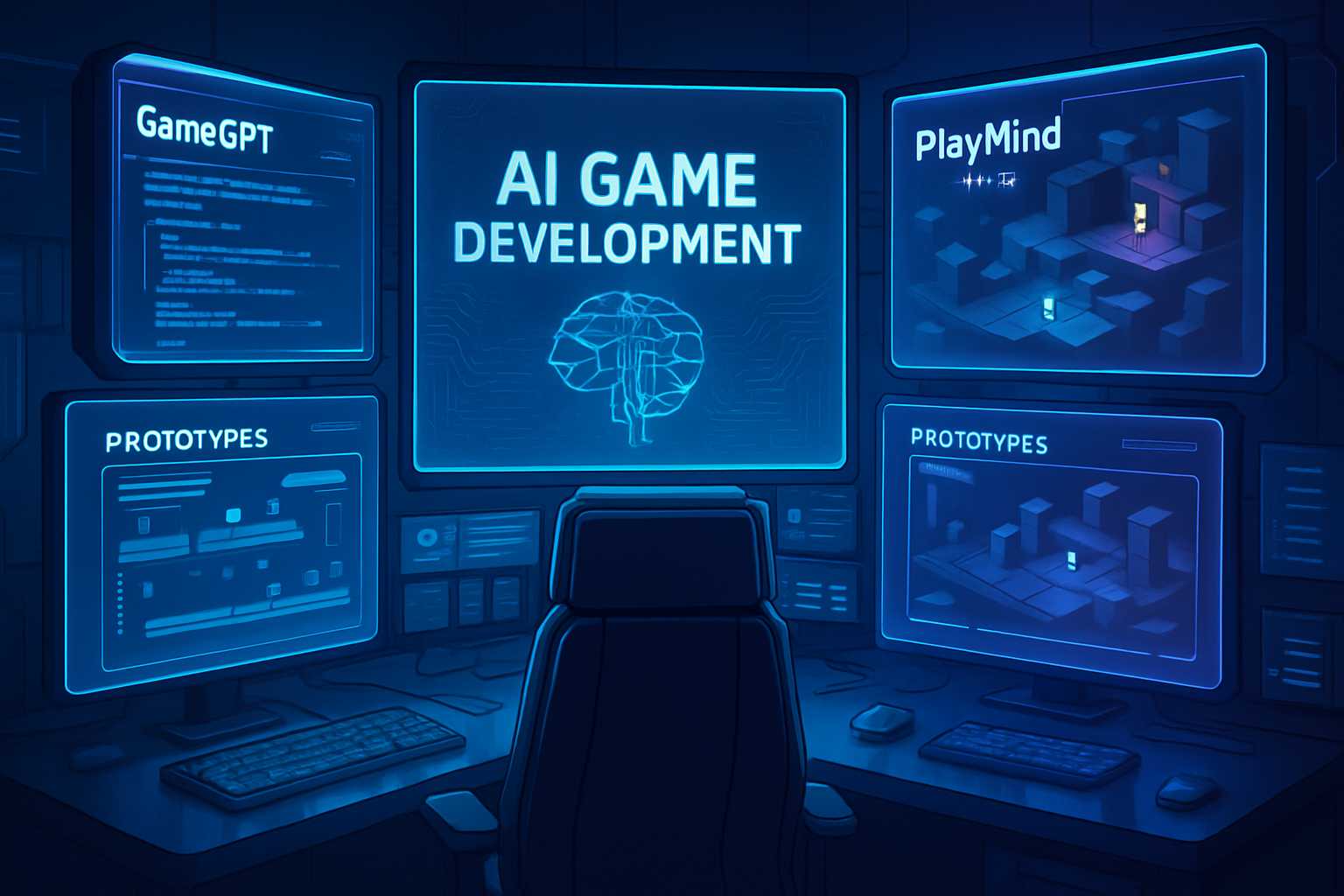
Why Rapid Prototyping Matters in Modern Game Development
The traditional approach to prototyping a new video game can be slow and resource-intensive, often requiring specialized coding skills and significant manual effort. In a landscape where time-to-market is critical, AI-driven platforms are transforming workflows by automating asset generation, scripting interactions, and even building entire levels from simple descriptions. According to a recent survey by Google Cloud and The Harris Poll, 87% of game developers are already leveraging AI agents, with over a third using them for creative tasks such as level design and dialogue writing. This shift is enabling teams to focus more on design innovation rather than technical hurdles.
"AI tools have cut our prototyping time from weeks to hours. Now we can validate ideas before investing heavily in production. " – Indie developer, r/gamedev
Meet the Leaders: Top Three AI Game Builders for 2024
While dozens of platforms vie for attention in this dynamic space, three names consistently stand out for their technological sophistication and user-centric design: GameGPT, PlayMind, and InfinityG. Each offers unique strengths tailored to different workflows but shares a common goal: empowering creators to move from prompt to play at lightning speed.
Top 3 AI Game Builders for Rapid Prototyping
- GameGPT: Leveraging advanced natural language processing, GameGPT enables users to generate playable game prototypes simply by describing their ideas in plain English. Its intuitive interface and AI-driven asset generation streamline the prototyping process, making it accessible for both seasoned developers and newcomers.
- PlayMind: PlayMind stands out with its conversational AI engine, allowing for dynamic, iterative prototyping. Users can refine mechanics, art styles, and level designs through chat-based prompts, with real-time previews and export options for popular game engines.
- InfinityG: InfinityG specializes in transforming text prompts into interactive 2D and 3D game environments. Its AI assists with procedural content generation, including characters and levels, supporting rapid experimentation and collaborative workflows for game studios.

GameGPT: The Prompt-to-Playable Pioneer
GameGPT has rapidly become synonymous with text-to-game prototyping. Its core strength lies in its natural language processing engine that interprets detailed prompts - such as "a retro-style platformer set on Mars with gravity puzzles" - and generates fully functional prototypes within minutes. Developers can further tweak gameplay elements via conversational feedback loops, making refinement intuitive even for those without coding backgrounds.
The platform’s asset library is augmented by generative models capable of producing custom sprites, soundtracks, and level layouts on demand. For studios seeking rapid validation of new mechanics or narrative structures, GameGPT reduces iteration cycles dramatically. Its integration options also make it attractive for teams looking to export prototypes into popular engines like Unity or Unreal for further development.
PlayMind: Intuitive Creation Meets Collaborative Design
PlayMind distinguishes itself through its collaborative features and visual-first interface. Built around the philosophy that great games emerge from experimentation and teamwork, PlayMind allows multiple users to co-create games in real time using drag-and-drop mechanics enhanced by AI suggestions. Its prompt system supports both text input and visual references - sketch an environment or describe it verbally, and PlayMind fills in the details using procedural generation.
This platform excels at making advanced prototyping accessible to non-technical creators such as artists or writers who want direct input into gameplay design without learning complex scripting languages. PlayMind’s version control tools also streamline collaboration across distributed teams, ensuring that creative momentum isn’t lost during rapid iteration cycles.
The Rise of InfinityG: Bridging Technical Depth With Accessibility
InfinityG rounds out our top three by targeting developers who seek more granular control over procedural generation while retaining ease-of-use. Unlike its competitors that prioritize simplicity above all else, InfinityG offers layered customization, users can start with basic prompts but dive deeper into code-level adjustments if desired. This hybrid approach attracts both hobbyists looking for quick results and professionals demanding nuanced control over every aspect of their prototype.
A standout feature is InfinityG's modular plugin system which enables integration with external AI models, opening doors for custom NPC behaviors or adaptive difficulty curves generated on-the-fly based on player feedback data. For teams experimenting at the intersection of gameplay mechanics and machine learning research, InfinityG provides an unparalleled sandbox environment.
The competitive edge offered by these platforms is not just about speed, but also about unlocking new creative possibilities. By lowering the technical barriers, GameGPT, PlayMind, and InfinityG are inviting a more diverse pool of creators into game development, artists, writers, designers, and even those with no prior programming experience. This democratization is fueling a wave of innovation as fresh perspectives give rise to unconventional mechanics and genres.
AI Game Builder Comparison: Which Platform Fits Your Vision?
Choosing the right AI-powered game builder depends on your team's needs and creative ambitions. Here’s how these leading platforms stack up for rapid prototyping:
Comparison of Top AI Game Builders for Rapid Prototyping (2024)
| Platform | Prompt Accuracy | Asset Generation Depth | Collaboration Features | Export Options | Scalability |
|---|---|---|---|---|---|
| GameGPT | High – Interprets complex prompts with minimal errors | Comprehensive – Generates 2D/3D assets, environments, and characters | Real-time multi-user editing, version control | Unity, Unreal, WebGL, and standalone executables | Enterprise-ready, supports large projects and teams |
| PlayMind | Very High – Excels at nuanced, creative prompt understanding | Moderate – Focus on 2D assets and basic 3D models | Integrated chat, shared workspaces, feedback tools | Web export, mobile (iOS/Android), limited engine support | Best for small to mid-sized teams, scalable via API |
| InfinityG | Good – Accurate with standard prompts, less so with complex ones | Advanced – Deep procedural asset generation, customizable styles | Collaboration via cloud projects, team roles | Exports to major engines (Unity, Godot), HTML5, VR-ready | Highly scalable cloud infrastructure, pay-as-you-grow |
- GameGPT excels at transforming detailed prompts into playable prototypes with minimal friction, ideal for solo developers or small teams needing fast validation cycles.
- PlayMind shines in collaborative environments where multi-disciplinary teams want to ideate together in real time. Its visual tools make it especially attractive for non-coders.
- InfinityG appeals to those who want both accessibility and technical depth, offering plug-and-play simplicity with the option to fine-tune code and integrate advanced AI behaviors.
For studios aiming to iterate quickly on gameplay concepts or test market fit before committing resources to full production, these platforms offer a compelling return on investment. The ability to export prototypes directly into mainstream engines further reduces friction between ideation and full-scale development.
What’s Next: The Future of Prompt-to-Playable Game Creation
The trajectory is clear: as large language models grow more sophisticated and generative AI becomes increasingly integrated into development pipelines, the gap between idea and execution will continue to shrink. Already we’re seeing studios use AI not just for prototyping but for live content updates, procedural storytelling, and adaptive difficulty tuning based on real-time player data.
The next frontier may well be fully automated game jams where ideas are pitched in the morning and functional demos are ready by afternoon, all powered by tools like GameGPT, PlayMind, and InfinityG. For aspiring creators or established studios alike, embracing these technologies is less about replacing human creativity than amplifying it. The winners will be those who learn to harness AI’s strengths while infusing their projects with distinct vision and design sensibility.
“The most exciting games of tomorrow will come from voices previously left out of development. AI builders are making that possible. ” – Veteran game designer




No comments yet. Be the first to share your thoughts!