

Imagine stepping into a game world where every non-player character (NPC) has a story to tell, a personality that evolves, and a memory of past encounters with you. This isn't science fiction anymore, generative AI is making AI NPC infinite dialogue a reality, fundamentally reshaping how we interact with digital worlds.

From Scripted Lines to Living Conversations
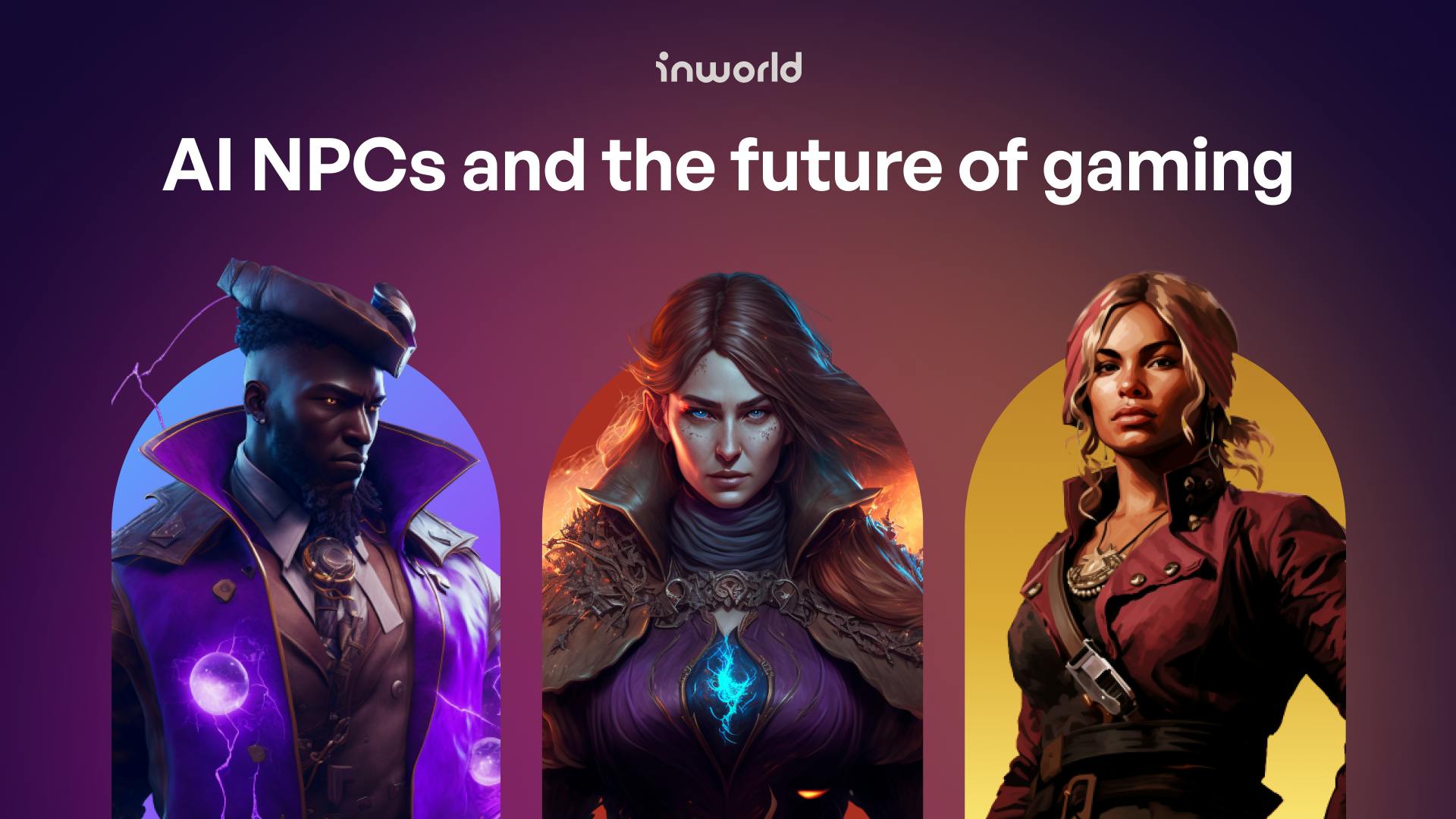
Traditional NPCs have long been the weakest link in immersion, cycling through canned responses and predictable behaviors. But as Inworld AI's tech demo demonstrates, generative models are breaking this mold. In Inworld Origins, players interrogate suspects in a sci-fi crime scene, and every conversation unfolds uniquely, no two playthroughs are the same. The police officer might recall your last question, while another character could react to your tone or persistence. These aren't just chatbots, they're dynamic actors in an unfolding drama.
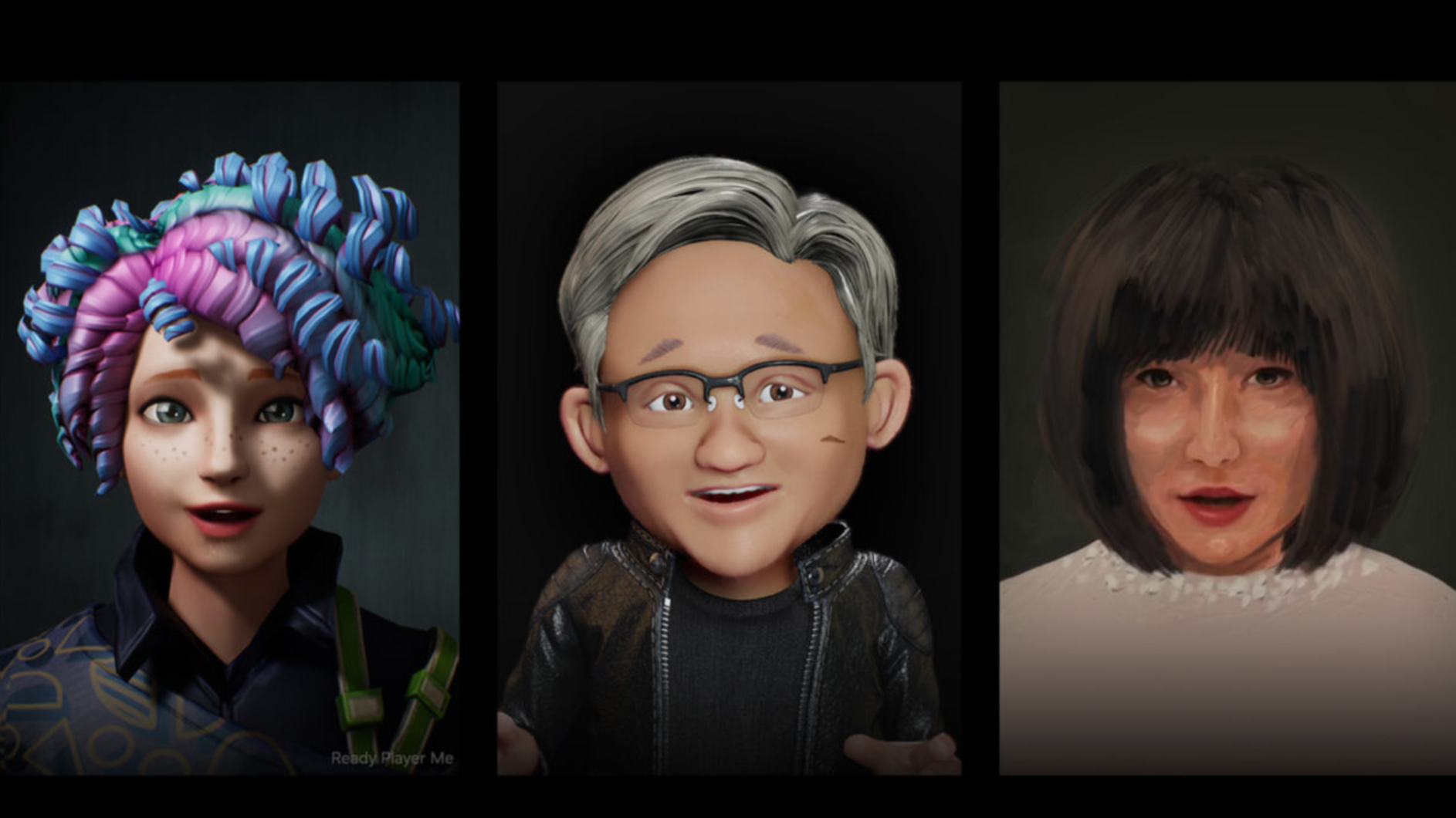
Nvidia's Avatar Cloud Engine (ACE) pushes this further by enabling real-time, unscripted conversations that feel genuinely lifelike. At CES 2024, ACE wowed audiences by letting players hold endless dialogues with NPCs who adapt on the fly, no more hearing "I used to be an adventurer like you" for the hundredth time. This is adaptive AI game worlds brought to life.
The Mechanics Behind Infinite Dialogue
So how does it work? Generative AI leverages large language models (LLMs) trained on vast datasets of human conversation and narrative structures. When a player interacts with an NPC, the system generates responses contextually, factoring in past interactions, current objectives, and even emotional undertones.
This isn't just about clever quips or witty banter. Systems like PANGeA use LLMs to craft entire story arcs dynamically within RPGs, allowing for free-form exploration where players shape both dialogue and world events through their choices.
Top 5 Games Using Generative AI for Deep NPC Interaction
- Inworld Origins – This tech demo by Inworld AI features real-time, AI-generated NPC dialogue in a sci-fi crime scene, letting players engage in unscripted conversations with characters like a police officer and a mysterious man in a fedora. The result: truly dynamic and immersive interactions.
- Nvidia ACE (Avatar Cloud Engine) Demo – Unveiled at CES 2024, Nvidia ACE empowers NPCs with endless, unique conversations through generative AI. This tech moves beyond repetitive scripts, enabling lifelike, adaptive NPC responses that evolve with player input.
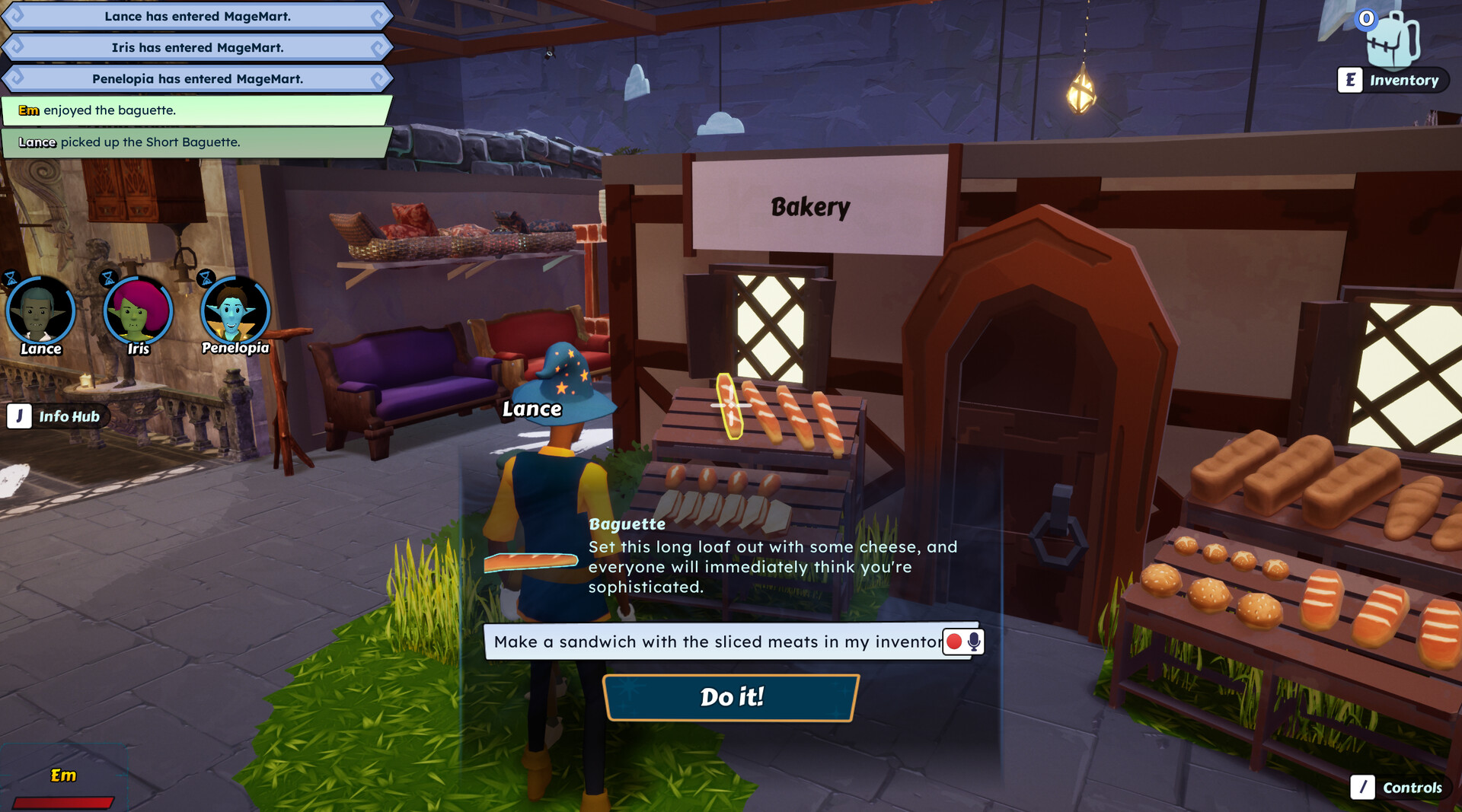
- Retail Mage – Developed by Jam & Tea Studios, Retail Mage uses generative AI to fuel player-NPC interactions in a magical shop. Players can chat, barter, and creatively use objects, making the shop and its inhabitants responsive to player choices.
- PANGeA System (Procedural Adventure Narrative Generation Architecture) – Implemented in turn-based RPG prototypes, PANGeA leverages large language models to create dynamic, free-form dialogue with NPCs and the environment, supporting procedural storytelling and adaptive quests.
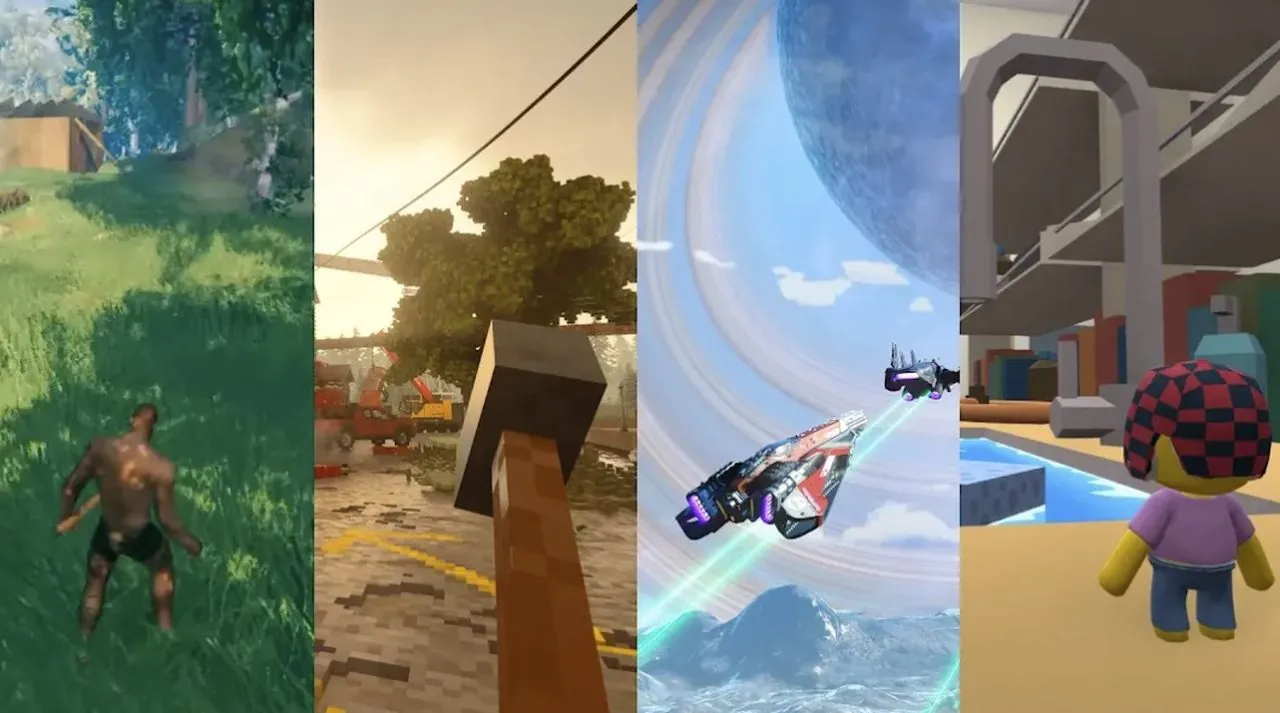
- God's Innovation Project – This experimental god game lets players collect words and dynamically terraform the world using generative AI. NPCs and the environment respond to player-driven, text-based input, resulting in a uniquely adaptive and evolving game world.
Pushing Boundaries: Procedural Worlds and Player Agency
The rise of generative AI isn't confined to dialogue alone, it's transforming procedural content generation at scale. In God's Innovation Project, players literally reshape landscapes using words as tools, blurring the line between narrative agency and world-building (see details here). Similarly, Jam and Tea Studios' Retail Mage lets you experiment with object interactions and conversations that ripple across the game world in unpredictable ways.
The result? Game universes that feel less like static sets and more like living ecosystems, each playthrough becomes a unique journey shaped by your curiosity and creativity.
Yet, as generative AI unlocks these new frontiers, developers are navigating a complex set of challenges. Ensuring that AI-powered NPC behavior remains contextually appropriate and narratively coherent is no trivial feat. When every line is unscripted, the risk of an NPC breaking immersion or introducing unintended bias increases. Studios are actively refining prompt engineering and implementing robust guardrails to keep conversations engaging and inclusive.
Another emerging consideration is scalability. As more games integrate real-time generative dialogue, technical demands on servers and latency management become critical. Nvidia’s ACE and similar platforms are investing heavily in efficient inference pipelines to ensure that even sprawling open worlds can support thousands of simultaneous, unique conversations without lag.
What Does This Mean for Players?
For gamers, the implications are profound. No longer are you limited to surface-level exchanges or branching dialogue trees that eventually reveal their seams. Instead, you’re invited into adaptive AI game worlds where your actions and words genuinely matter, NPCs remember past encounters, adapt to your playstyle, and sometimes even surprise you with emergent behavior.
This level of immersion fundamentally changes how stories unfold in games. Imagine a detective RPG where suspects mislead you based on your reputation, or a fantasy epic where villagers gossip about your deeds long after you’ve left town. The narrative possibilities become as infinite as the dialogue itself.
The Road Ahead: Limitations and Opportunities
Despite the hype, we’re still early in this revolution. Developers must grapple with ethical concerns around AI-generated content, such as reinforcing stereotypes or mishandling sensitive topics, and invest in ongoing tuning and oversight. There’s also the question of authorship: how do writers collaborate with AI to ensure handcrafted lore isn’t lost amid procedural noise?
The answer may lie in hybrid approaches: blending authored story beats with generative systems that fill in the gaps organically. This synergy allows studios to maintain creative vision while delivering the infinite variety players crave.
Leveling Up Game Worlds
The momentum behind generative AI game NPCs is undeniable. As tools like Inworld Origins, Nvidia ACE, PANGeA, and Retail Mage mature, expect more studios, indie and AAA alike, to experiment boldly with adaptive storytelling and emergent gameplay loops.
The future? Games will feel less like prewritten entertainment and more like living societies where every conversation can spark something unexpected. For players hungry for deeper immersion and meaningful agency, AI NPC infinite dialogue isn’t just a technical milestone, it’s a paradigm shift for interactive entertainment.


No comments yet. Be the first to share your thoughts!