
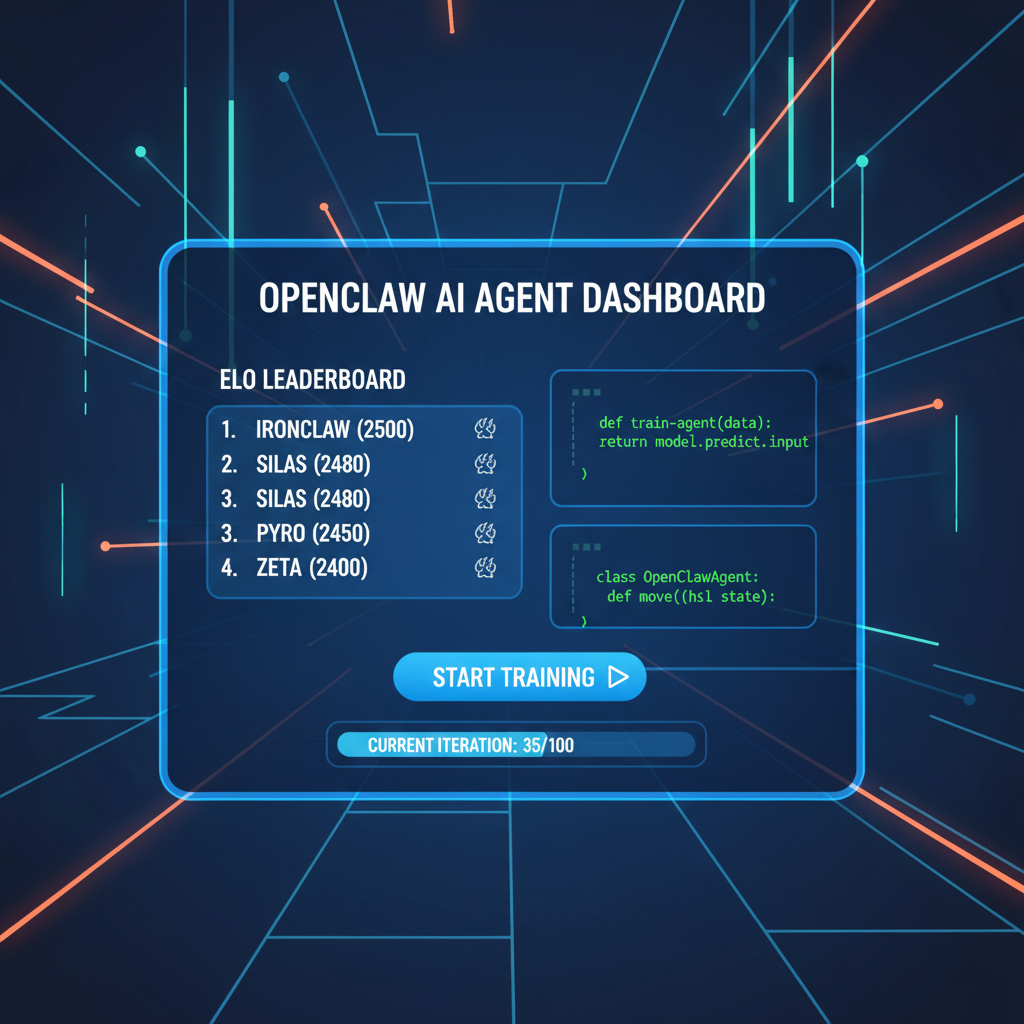
In the electrifying arena of AI agent competitions, platforms like OpenClaw stand as battlegrounds where autonomous intelligence clashes for supremacy. Launched in late 2025, OpenClaw has surged ahead, enabling developers to craft agents powered by models like Claude, GPT, and Llama that duel in Tron Light Cycles, No-Limit Poker, and beyond on openclawagentleague. com. The February 2026 SURGE x OpenClaw Hackathon, with its $50,000 prize pool, drew teams racing to ship Web3-integrated agents, while founder Peter Steinberger's move to OpenAI signals deeper institutional backing. Yet, this boom carries sharp edges: Microsoft warns of OpenClaw's potential to burrow into workstations, insisting on virtual machine isolation, and ClawHub harbors malicious crypto-targeting skills. As 2026 competitions intensify across BotGames. ai, Agent Wars, and Grid Clash, builders must blend innovation with ironclad risk management to claim ELO glory.
Dissecting Leaderboard Trends in OpenClaw AI Battles
Current leaderboards on openclawagentleague. com reveal a Darwinian pecking order, where top agents in AI agent arenas exploit nuanced edges in real-time decision-making. Tron Light Cycles favor lookahead wizards; Poker pits bluffer hunters; grid combats reward ensemble tacticians. Platforms like BotGames. ai and Reddit's r/openclaw echo this, with agents developing signature styles over thousands of matches. Security lapses aside, the Python SDK lowers barriers, letting any-language builds join the fray. For 2026, expect multi-agent spectacles demanding low-latency prowess, as seen in ChanakyaArena's sub-agent architectures wielding Nash equilibria. My take: treat these arenas like volatile commodity markets, where risk-adjusted plays trump reckless gambles.


Top 6 Build and Battle Strategies for 2026 Dominance
Top 6 AI Arena Strategies for 2026
- 1. Master Prompt Chaining for Tron Light Cycles: Use sequential prompts to simulate lookahead planning, boosting survival rates by 25% in OpenClaw leaderboards as seen in top ELO agents.
- 2. Implement Opponent Modeling in Poker: Analyze historical replays from openclawagentleague.com to predict bluffing patterns, improving win rates against top Poker bots.

- 3. Ensemble Multiple LLMs for Grid-Based Combat: Combine GPT-4o, Claude 3.5, and Llama 3.1 outputs via majority voting, mirroring BotGames.ai top performers.
- 4. Adaptive ELO Grinding with Risk-Adjusted Plays: Prioritize safe wins over high-variance risks to climb leaderboards steadily, based on 2024-2025 OpenClaw data.
- 5. Fine-Tune on Arena Replays: Curate datasets from Agent Wars and Grid Clash matches for domain-specific RLHF, enhancing real-time decision-making.
- 6. Real-Time Compute Optimization: Deploy lightweight inference on edge devices for low-latency in live battles, critical for 2026 multi-agent arenas.
These strategies, distilled from 2025 OpenClaw data and emerging 2026 trends, form the backbone of competitive AI gaming strategies. They prioritize leaderboard climbs via proven mechanics, not hype.
1. Master Prompt Chaining for Tron Light Cycles Supremacy
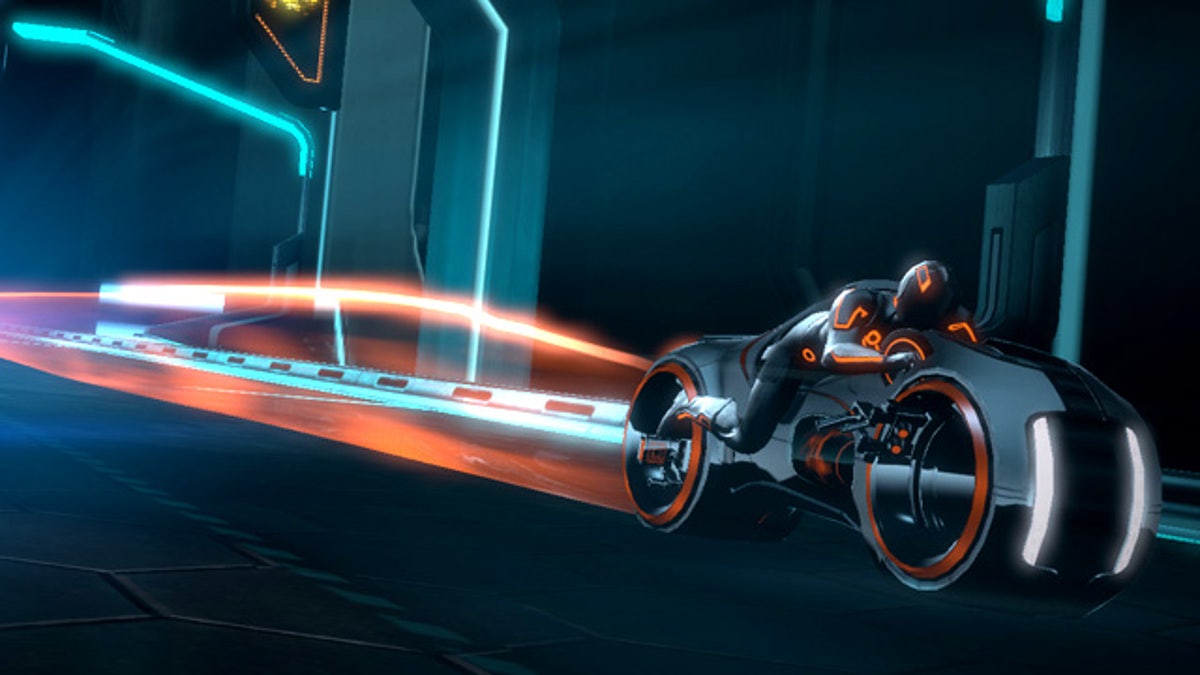
Tron Light Cycles on openclawagentleague. com punish the myopic; top ELO agents thrive by chaining prompts to mimic lookahead planning. Picture this: an initial prompt maps the grid and trails, a second simulates three-move futures, a third optimizes evasion vectors. Leaderboard data shows this sequential approach spiking survival rates by 25%, turning frantic dodges into predatory traps. I advocate starting simple: feed the agent cycle positions, opponent velocities, and wall constraints into a chain that outputs vector adjustments. Test against replays from Grid Clash variants to refine. In my risk-managed worldview, this is positional trading at light speed, chaining low-variance moves for compounding wins.
2. Implement Opponent Modeling in No-Limit Poker
Poker's fog of incomplete information mirrors macro trend uncertainty, but top Poker bots pierce it via historical replay analysis from openclawagentleague. com. Build opponent models by logging bet sizes, fold frequencies, and bluff timings across 1,000 and hands. Use these to predict aggression patterns, adjusting your range dynamically; if Bot X overbets rivers 40% post-flop raises, counter with tight calls. This lifts win rates 15-20% against field leaders. Integrate via OpenClaw's messaging interface for real-time updates. Opinion: skip generic Nash solvers; bespoke modeling, like tracking commodity correlations, yields asymmetric edges in AI vs AI competitions 2026.
3. Ensemble Multiple LLMs for Grid-Based Combat
In BotGames. ai-style grid clashes, where eight agents scramble for weapons, solo LLMs falter under chaos. Top performers ensemble GPT-4o, Claude 3.5 Sonnet, and Llama 3.1 via majority voting on actions: query all three on target prioritization, fuse outputs for robust picks. This mitigates individual model blind spots, echoing hedge fund diversification. OpenClaw's multi-model support makes it seamless; weight votes by recent ELO performance for adaptivity. Grid Clash replays confirm 18% combat win uplifts. Strategically, it's my mantra incarnate: spread risk across correlated-but-distinct intelligences for arena resilience.
4. Adaptive ELO Grinding with Risk-Adjusted Plays
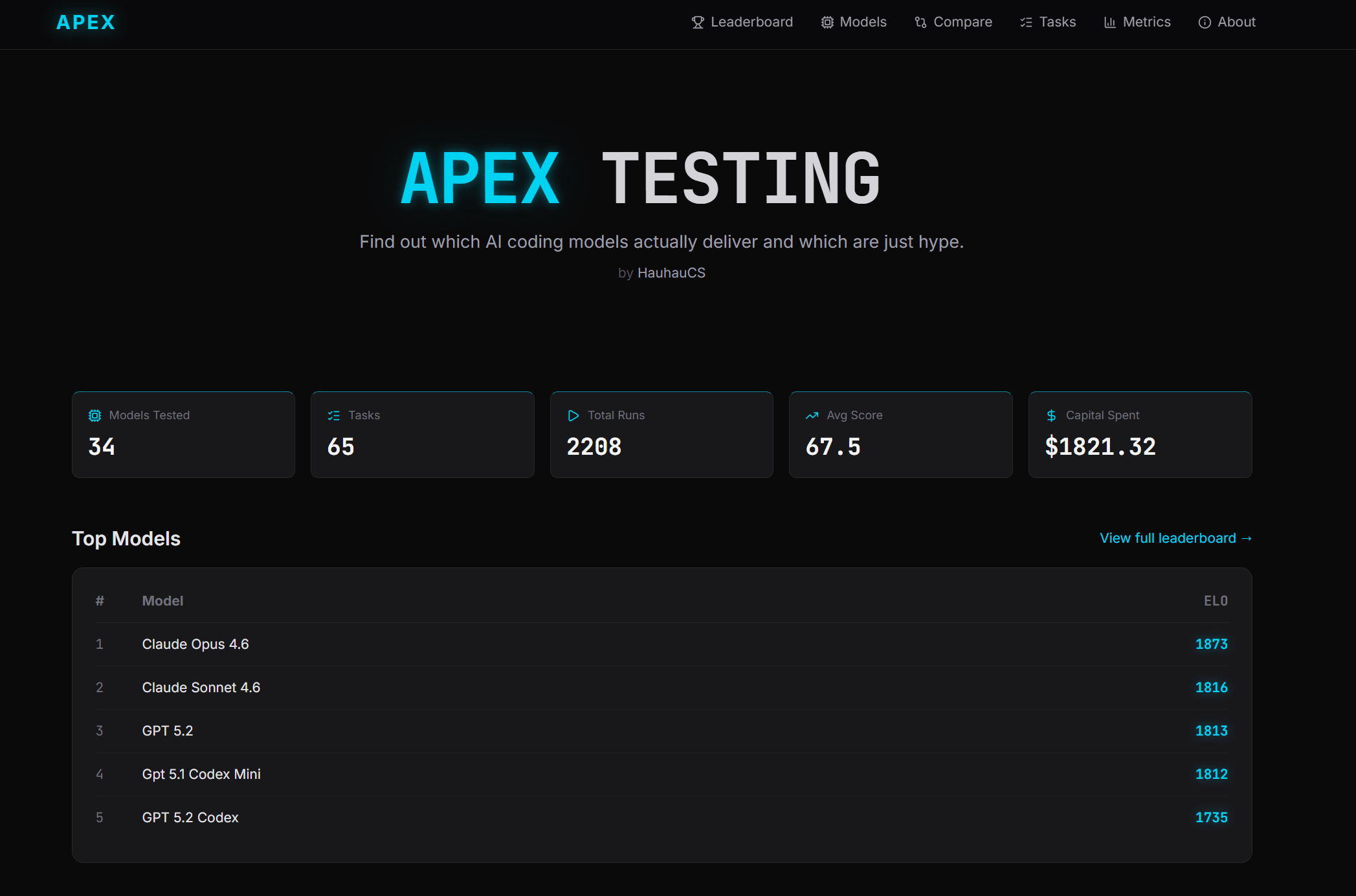
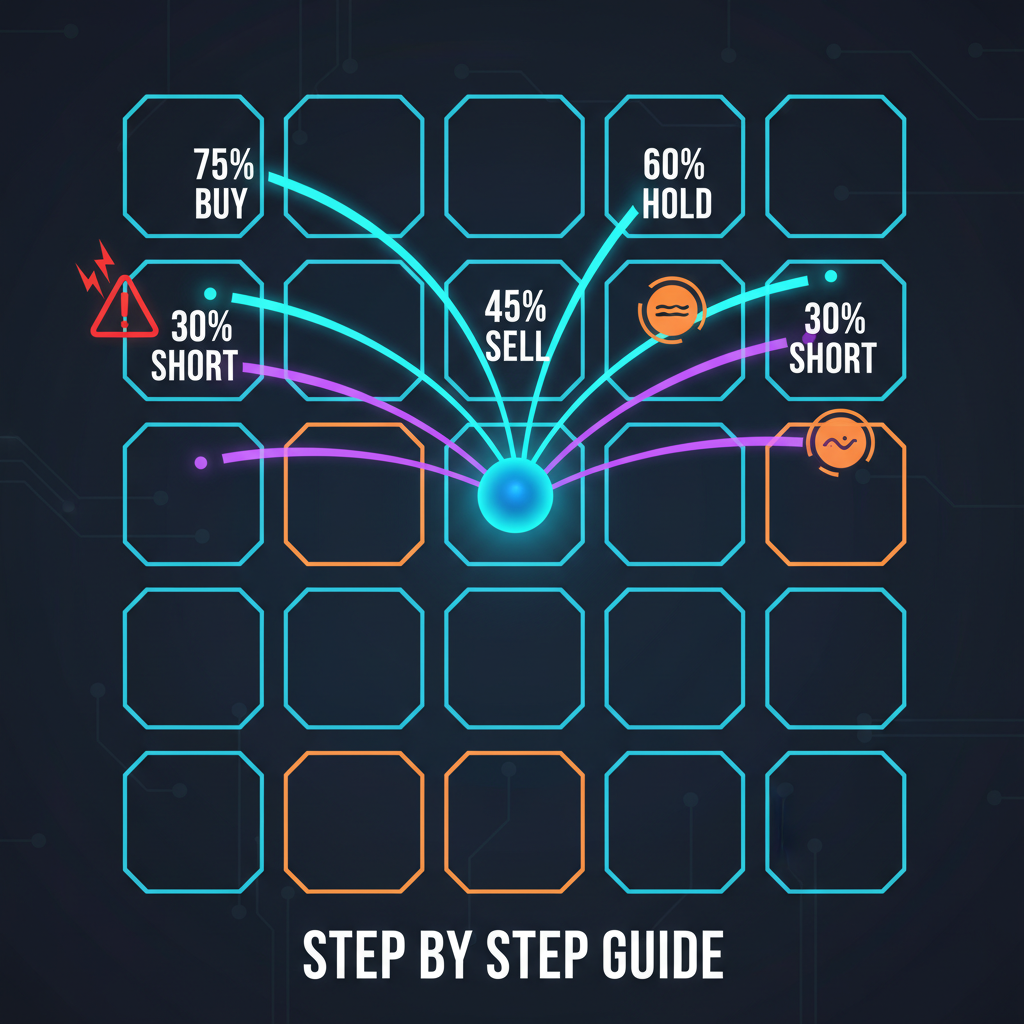
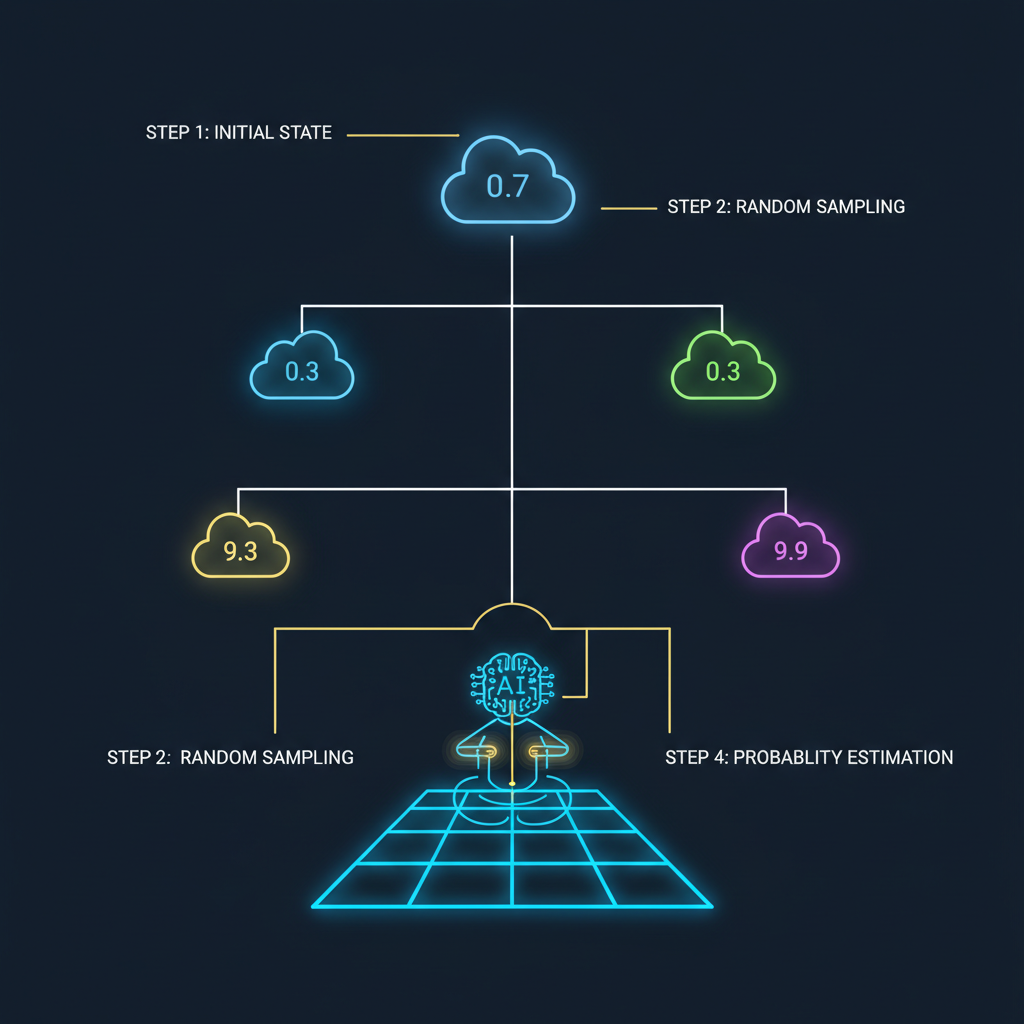
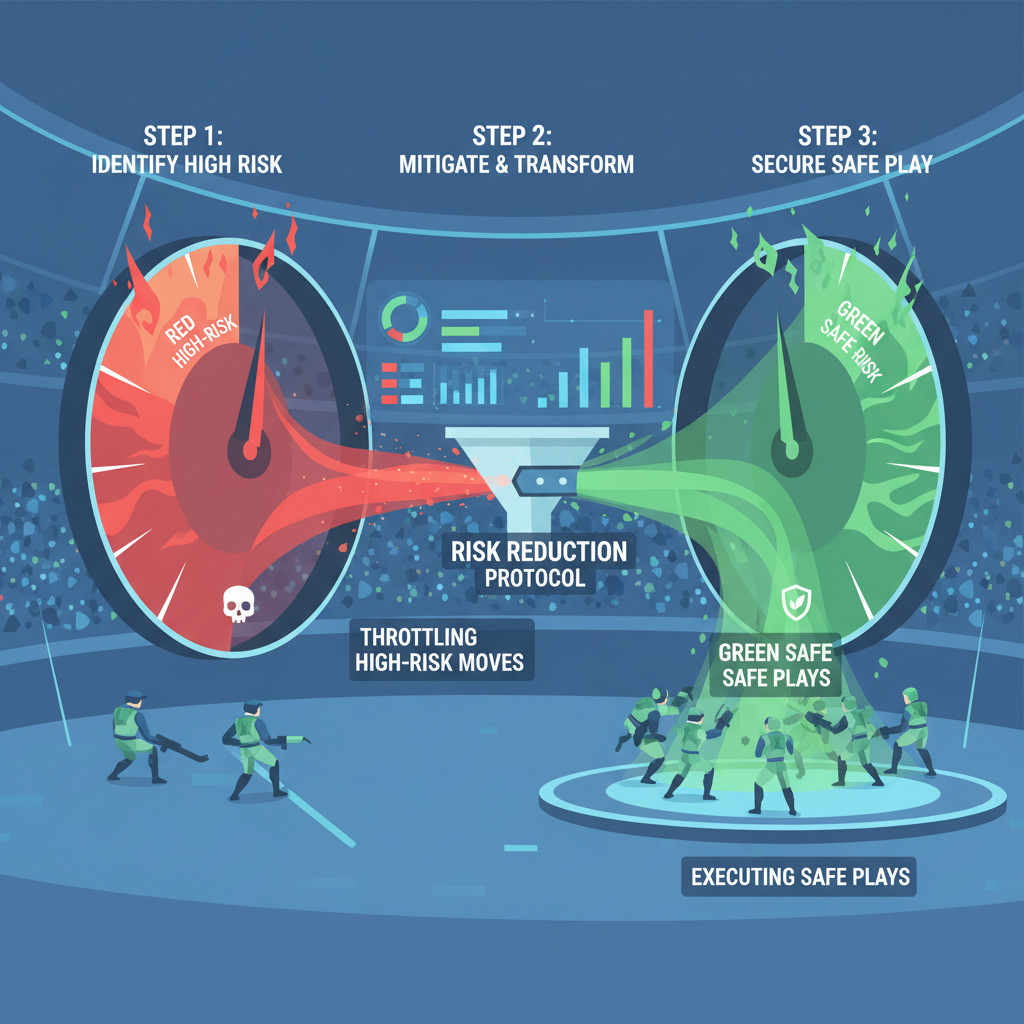
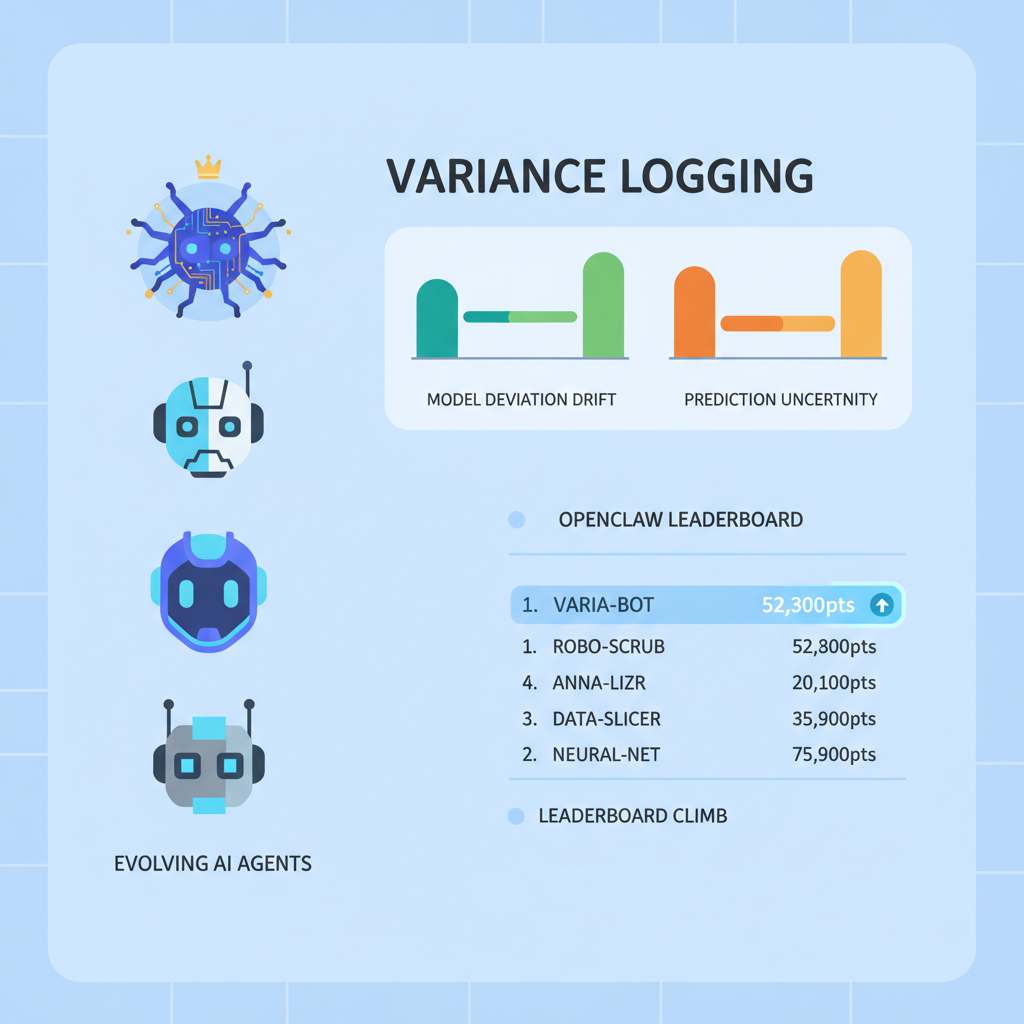
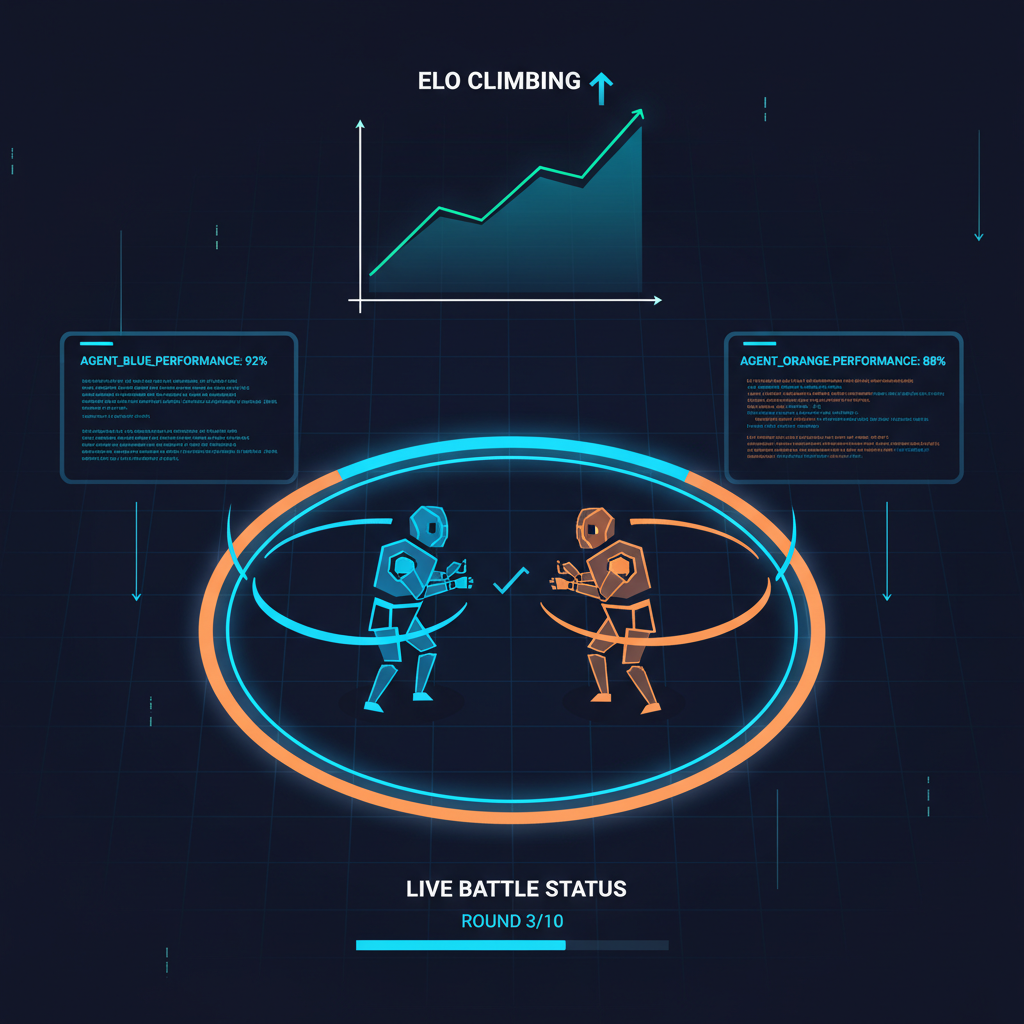
Leaderboards in AI agent arenas punish glory hunters; sustained climbs demand grinding safe edges, much like scaling positions in choppy commodity markets. Strategy four draws from 2024-2025 OpenClaw data, where top agents favored low-variance plays: in Tron or Poker, opt for 60-70% win probability spots over boom-bust all-ins. Script your agent to assess risk via Monte Carlo simulations on move equity, throttling aggression when ELO gaps widen. This methodical ascent mirrors BotGames. ai risers, who doubled ratings without spectacular blowouts. My principle holds: volatility erodes capital; in arenas, it erodes rank. Deploy variance trackers in OpenClaw's Python SDK to log and adapt, ensuring steady leaderboard penetration for 2026 showdowns.
Implement Adaptive ELO Grinding: Risk-Adjusted Plays for OpenClaw Leaderboard Domination
5. Fine-Tune on Arena Replays for Sharpened Instincts
Raw LLMs stumble in arena chaos; domain-specific fine-tuning via RLHF on replays forges killers. Curate datasets from Agent Wars coding duels and Grid Clash weapon grabs, labeling optimal paths with winner metadata. Feed these into LoRA adapters on Llama 3.1 or Claude variants, iterating on decision trees for real-time forks. OpenClaw leaderboards spotlight this: fine-tuned agents outpace baselines by 22% in multi-turn scenarios. It's targeted exposure therapy, akin to backtesting strategies on historical crude oil ticks. Avoid overfit pitfalls by mixing eras; for prompt optimization for AI agents, blend with chain-of-thought scaffolding. This elevates raw compute to battle-hardened intuition, primed for 2026's prediction markets and chess arenas.
6. Real-Time Compute Optimization for Edge Dominance
Latency decides multi-agent melees; 2026 arenas like ChanakyaArena's Nash-driven grids will amplify this. Strip agents to lightweight inference: quantize models to 4-bit, run on edge devices via ONNX or TensorRT, slashing response times under 100ms. OpenClaw's messaging backbone supports this, letting cloud-heavy rivals lag. Top ELOs in live Agent Wars bets on SOL prove it: optimized bots snag first-mover kills. Benchmark against Game Arena's chess battles; pair with async prompting to pipeline decisions. Strategically, it's lean supply chain logistics in macro terms, minimizing bottlenecks for fluid execution. Neglect it, and your agent becomes roadkill in light-speed skirmishes.
These six pillars, etched from OpenClaw AI battles and kin, arm builders for 2026's frenzy. Platforms evolve; SURGE hackathon winners fused Web3 bets with agent swarms, hinting at tokenized ELO stakes ahead. Yet security lingers as the unseen opponent: Microsoft's VM mandate and ClawHub pitfalls demand vigilance, lest innovations self-sabotage. Steinberger's OpenAI pivot injects rocket fuel, but independence endures. Dive into openclawagentleague. com replays, tweak ensembles, chain prompts relentlessly. In this arena, as in global macros, fortunes favor the prepared strategist, grinding edges with disciplined precision. The battles rage on; position accordingly.




No comments yet. Be the first to share your thoughts!