
Safe automation for 2026 gaming
As AI agents become mainstream tools in 2026, the line between legitimate assistance and cheating has blurred. For high-stakes players, the primary concern is no longer just skill but account safety. Using unauthorized third-party software to automate grinding or boost rankings can trigger permanent bans, as game developers increasingly deploy advanced detection systems.
Legitimate AI tools focus on macro automation, performance optimization, and strategic analysis rather than direct game interaction. These safe tools help players manage inventory, optimize loadouts, or analyze match data without interfacing with the game client in a way that mimics human input. This distinction is critical for protecting your investment in high-value accounts.
When selecting AI gaming assistants, prioritize tools that operate outside the game's core mechanics. Official partnerships and verified developer integrations offer the highest level of safety. Avoid any tool that requires injecting code into the game process or simulating mouse and keyboard inputs at a machine level.


As an Amazon Associate, we may earn from qualifying purchases.
Top AI bots for grinding and efficiency
The line between legitimate assistance and account-terminating cheating is thinner than ever. In 2026, the safest AI gaming tools are those designed for single-player optimization, resource management, or explicit in-game assistance rather than external automation of multiplayer matches. Using external bots to automate grinding in competitive environments violates most Terms of Service and carries a high risk of permanent bans.
For players seeking to optimize their grind without risking their accounts, the focus should be on tools that enhance personal strategy or automate repetitive tasks in offline or permitted environments. These tools often function as "co-pilots," offering real-time data analysis or inventory management rather than direct control over your character.
Recommended AI Tools for Safe Grinding
1. In-Game AI Assistants (e.g., Razer AVA)
Some hardware manufacturers are integrating AI directly into the gaming ecosystem through official channels. Razer AVA, for instance, serves companion that can provide strategic advice and community support without interacting with the game client in a way that triggers anti-cheat systems. Because it operates within the approved peripheral software, it presents a lower compliance risk than third-party external bots.
2. Single-Player Strategy Assistants
For grinding-heavy single-player games (such as RPGs or strategy titles), AI-driven build planners and resource calculators are invaluable. These tools help you optimize character stats or resource allocation before you even log in, reducing the mechanical tedium of grinding. They do not touch the game client, ensuring zero risk of detection by anti-cheat software.
3. Offline Automation Tools
In sandbox games or offline single-player titles, some players use local automation scripts for repetitive tasks. While these can save time, they must be strictly confined to offline modes. Using any form of automation in online or ranked modes is a direct violation of almost every major platform's agreement and can lead to irreversible account loss.
Essential Hardware for AI-Assisted Gaming
To run AI assistants or local strategy tools efficiently, your hardware must handle the additional processing load without impacting game performance. Below are recommended tools and compatible hardware setups that support AI-driven gaming workflows.


![Redragon M602 Gaming Mouse, Ergonomic RGB Gaming Mouse Wired with 7200 Adjustable DPI, 9 Programmable Buttons, Professional Software for Gamer Office [Black]](https://m.media-amazon.com/images/I/614timipKAL._AC_UY654_QL65_.jpg)
As an Amazon Associate, we may earn from qualifying purchases.
Staying Compliant
Always verify the specific Terms of Service for the game you are playing. If a tool interacts with the game memory or injects code, it is likely prohibited. Stick to tools that provide information or advice rather than direct control. This approach protects your account while still leveraging AI for efficiency.
Comparing bot features and safety
Selecting an AI gaming bot requires balancing automation capabilities against the risk of account termination. As 2026 approaches, the line between legitimate assistance and prohibited cheating has become the primary focus of platform enforcement. This section compares the most prominent tools currently available, evaluating their functionality, detection risk, and ease of use.
The following comparison highlights the trade-offs between different bot architectures. Tools that offer higher levels of automation generally carry a higher detection risk, while simpler utilities may offer less utility but greater safety.
| Tool Type | Core Functionality | Detection Risk | Ease of Use |
|---|---|---|---|
| In-Game AI Companions | Tutorial assistance, basic NPC interaction | Low | High |
| Macro Keyboards | Automated repetitive inputs (clicking, movement) | Medium | Medium |
| Scripted Bots | Full gameplay automation, grinding, ranking | High | Low |
| AI Chatbots (Support) | Customer service, community management | Low | High |
In-Game AI Companions
In-game AI companions are designed to assist new players or provide structured tutorials. These tools are integrated directly into the game client and are generally considered safe by platform terms of service. They do not interact with external servers or modify game memory, making them the lowest risk option for account protection.
Macro Keyboards
Macro keyboards allow players to automate simple, repetitive actions such as clicking or basic movement patterns. While often marketed as accessibility tools, many gaming platforms classify complex macro usage as a violation of fair play policies. The detection risk is medium, as anti-cheat systems can identify unnatural input patterns that deviate from human behavior.
Scripted Bots
Scripted bots offer the highest level of automation, capable of grinding resources, ranking up, or completing quests without human intervention. These tools are strictly prohibited by almost all online gaming platforms. The detection risk is high, as they interact with game memory or inject code into the game client. Using these tools carries a significant risk of permanent account suspension.
AI Chatbots
AI chatbots designed for customer service or community management are distinct from gameplay bots. They handle high-volume support interactions, such as payment disputes or account recovery, and do not interact with the game itself. These tools are safe for both players and developers, offering high ease of use with minimal risk.


As an Amazon Associate, we may earn from qualifying purchases.
Avoiding bans with smart bot usage
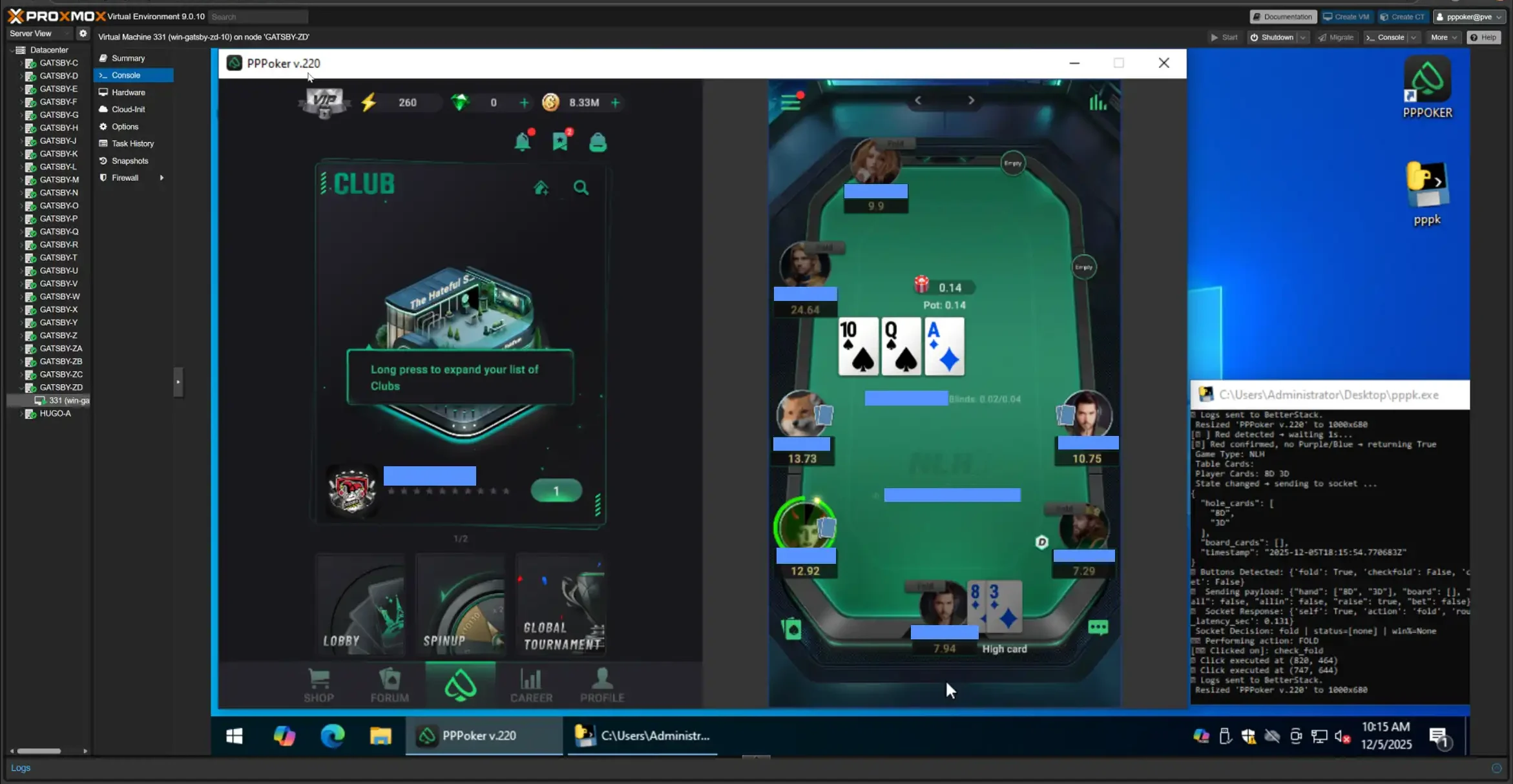
Using AI gaming bots carries a high risk of account suspension if deployed without caution. Game developers actively monitor for automation patterns, and anti-cheat systems are becoming increasingly sophisticated. To protect your accounts, you must treat bot usage as a compliance issue rather than a simple gameplay advantage. Ignoring these risks can result in permanent bans, loss of progress, and potential legal action under Terms of Service agreements.
The following steps outline how to minimize detection risks and maintain account safety.

Choose bots that offer configurable visibility controls. Many safe tools allow you to mask automation indicators, such as perfect reaction times or predictable movement paths. Ensure the bot can mimic human latency and occasional errors. This reduces the likelihood of triggering automated detection algorithms that flag unnatural performance metrics.
Never allow a bot to run at maximum speed or efficiency. Introduce random delays between actions to simulate human fatigue and decision-making processes. Consistent, millisecond-perfect timing is a primary indicator of automation. By varying the interval between inputs, you make the bot’s behavior appear more organic and less like a scripted sequence.
Regularly check the game’s official support pages and patch notes for changes in anti-cheat policies. Developers frequently update their detection methods to target new AI patterns. Staying informed allows you to adjust your bot’s configuration before new rules take effect. Ignoring these updates is the most common cause of sudden account suspensions.

Avoid running bots for extended periods or during peak hours. High-volume automation is easier to detect and more likely to draw attention from manual moderators. Use bots sparingly, perhaps for specific grinding tasks rather than all gameplay. This reduces the data footprint your account leaves behind, making it harder for anti-cheat systems to establish a pattern of abuse.
While no method guarantees immunity from detection, following these protocols significantly lowers your risk. Always prioritize account longevity over short-term gains.

As an Amazon Associate, we may earn from qualifying purchases.
Common questions about gaming bots
As AI tools become standard for grinding and ranking, players face real risks regarding account safety and legal compliance. Using unauthorized automation can trigger immediate bans, while the legal landscape for AI-generated content remains strictly tied to human authorship under current copyright laws. The following questions address the most critical concerns for 2026.



As an Amazon Associate, we may earn from qualifying purchases.
No comments yet. Be the first to share your thoughts!