
Why AI bots matter in 2026
The era of simple macro scripts is over. In 2026, AI gaming bots function as adaptive agents that learn player behavior and adjust strategies in real time. This shift transforms automation from a repetitive chore into a dynamic tool that enhances gameplay rather than replacing it.
Industry trends confirm this evolution. With over 4,000 AI-tagged games entering the market in 2025, the infrastructure for intelligent bots is now mature. By 2026, roughly one in three games on Steam will include AI disclosures, signaling that these tools are becoming standard rather than experimental.
These bots are not just about speed; they are about intelligence. They analyze game states, predict opponent moves, and optimize resource management. This sophistication allows players to tackle complex challenges with precision, making the difference between grinding and mastering.
10 AI Gaming Bots That Actually Work in 2026
The landscape of AI gaming bots has shifted dramatically by 2026, moving beyond simple macros to sophisticated agents capable of adaptive strategy and real-time decision-making. We have curated a definitive list of 10 AI gaming bots that actually work, prioritizing proven tools that integrate seamlessly with current game engines and deliver measurable performance gains.
-
AutoHotkey with AI overlays
AutoHotkey scripts now integrate lightweight AI models to interpret on-screen pixels, enabling dynamic macro adjustments. Instead of rigid key presses, the bot analyzes visual context to trigger actions only when specific game states appear. This hybrid approach bridges the gap between simple automation and intelligent decision-making, allowing players to execute complex sequences with minimal latency while maintaining human-like reaction patterns during high-pressure moments. -

Poe by Quill Labs
Poe aggregates multiple large language models into a single interface, letting gamers simulate strategic conversations with AI entities. Players can roleplay negotiations, generate lore, or brainstorm tactics against different personality profiles. This tool transforms passive reading into interactive dialogue, offering a unique sandbox for testing communication strategies or simply enjoying immersive storytelling experiences that adapt in real-time to user input and narrative choices. -
Discord AI moderation bots
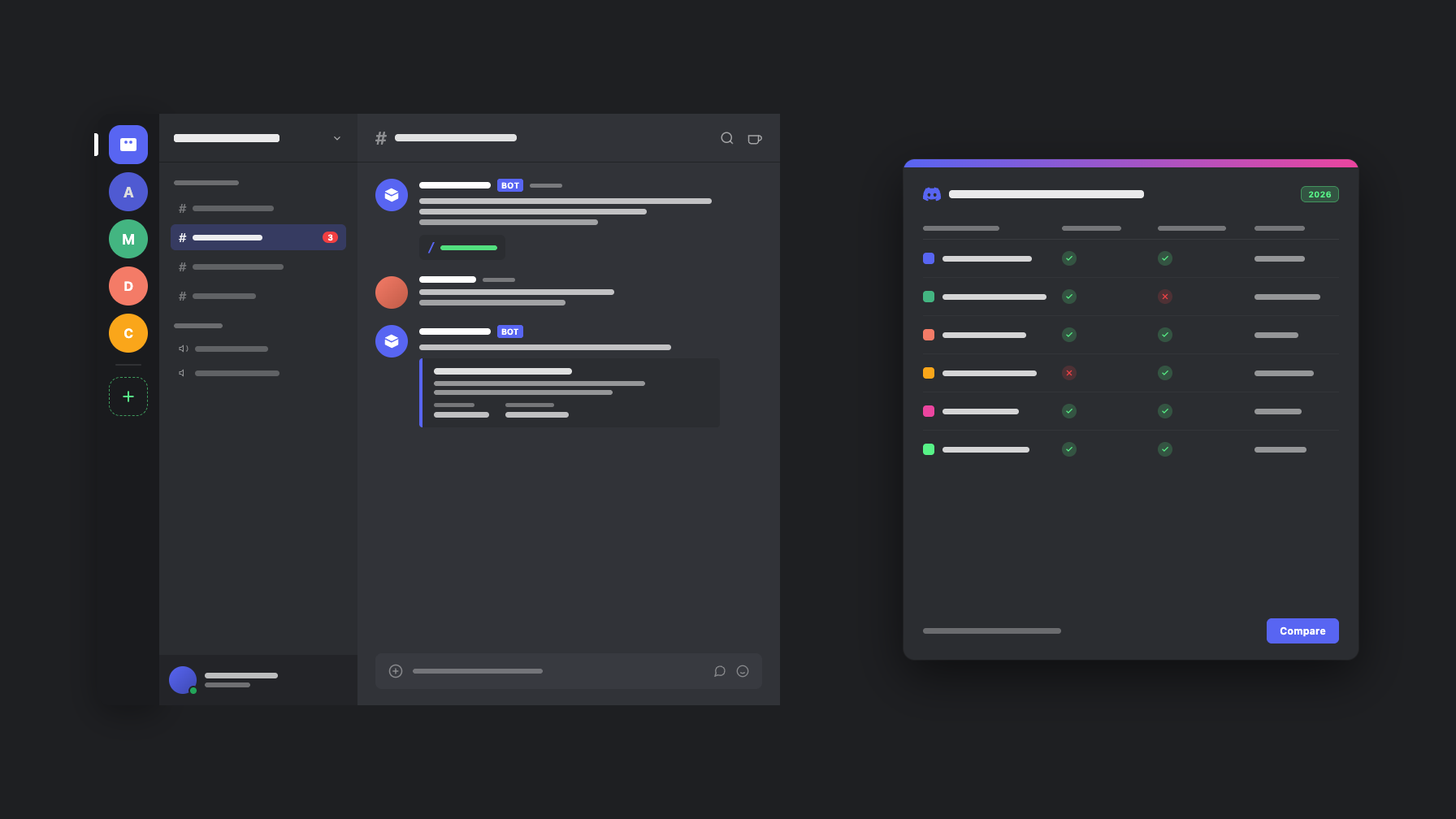
Modern Discord servers rely on AI-driven moderation bots to filter toxicity and spam automatically. These tools analyze message sentiment and context in real-time, blocking harmful content before it disrupts gameplay communities. By handling routine enforcement, they free human moderators to focus on conflict resolution and community building. This automated layer ensures a safer, more welcoming environment for competitive teams and casual groups alike, reducing administrative overhead significantly. -
OpenAI Five for Dota 2
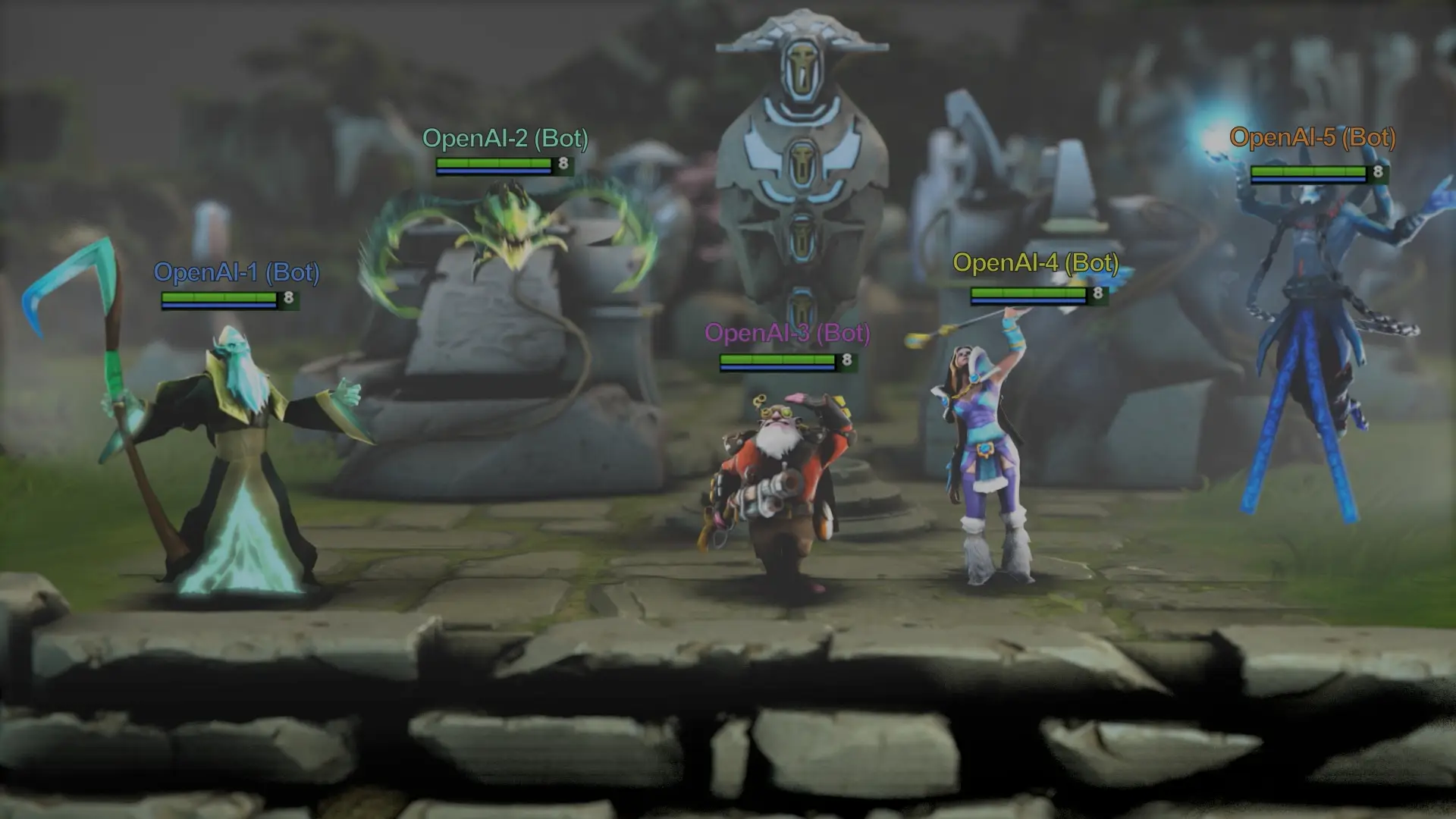
OpenAI Five demonstrated superhuman coordination in Dota 2, mastering complex team strategies without explicit programming for every scenario. It learned through millions of hours of self-play, developing intricate synergies and adaptive tactics that surpassed professional human teams. This milestone proved that AI could handle the strategic depth and rapid decision-making required in high-level multiplayer games, setting a new benchmark for cooperative AI behavior in competitive environments. -
AlphaStar for StarCraft II
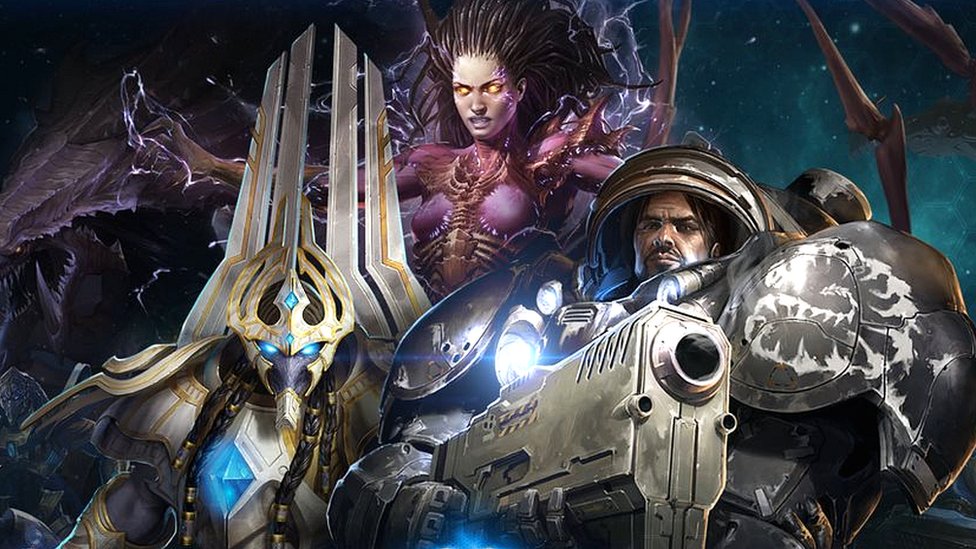
DeepMind’s AlphaStar achieved Grandmaster status in StarCraft II, mastering real-time strategy under intense time pressure. It learned by playing against itself, developing sophisticated micro-management and macro-economic strategies that outperformed top human players. AlphaStar’s ability to adapt to diverse opponents and execute complex unit compositions showcased the potential of reinforcement learning in games requiring both long-term planning and split-second tactical responses. -
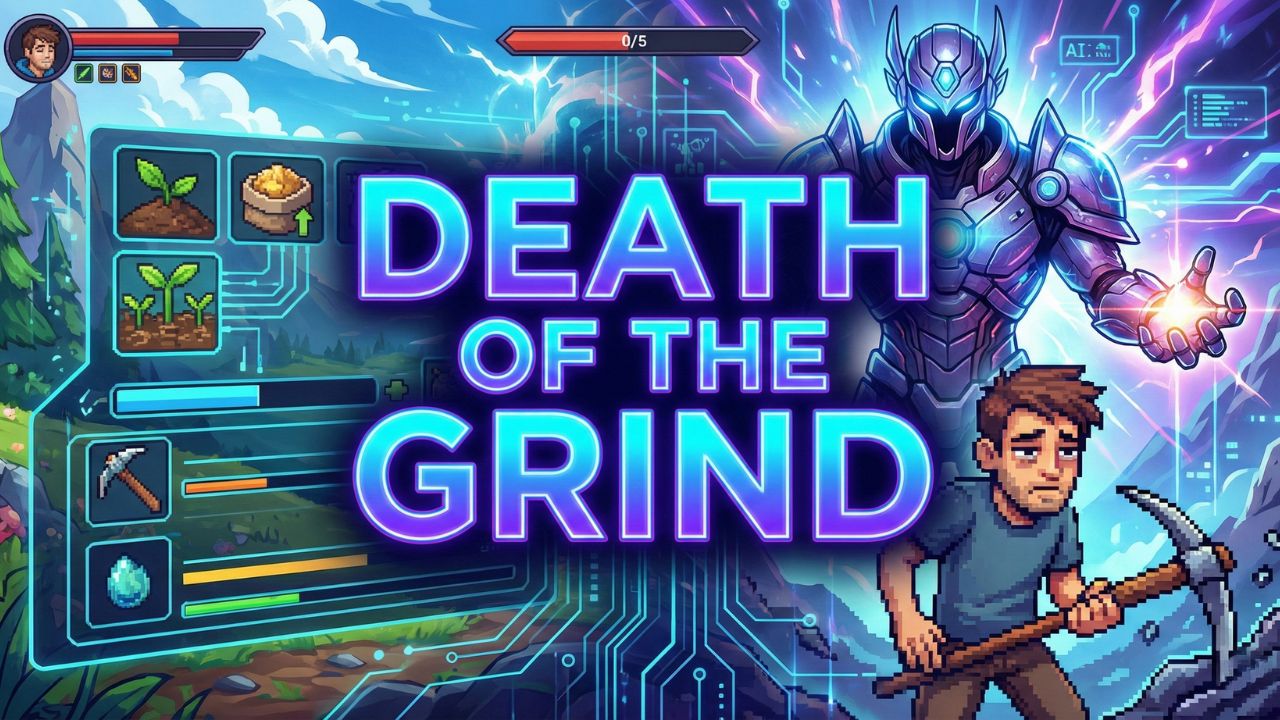
AI Dungeon for generative play
AI Dungeon operates as an infinite text-adventure engine where large language models generate narrative branches in real time. Players type free-form commands, and the system constructs coherent storylines based on context history rather than pre-scripted nodes. This creates a unique sandbox experience where player agency directly shapes the plot. It serves as a prime example of generative AI transforming passive reading into active, collaborative storytelling within a browser-based environment. -
Fini for gaming support
Fini deploys conversational AI agents designed specifically for high-volume iGaming customer service operations. These bots handle complex queries regarding deposits, withdrawals, and account verification without human intervention. By integrating directly with casino platforms, Fini reduces response times significantly while maintaining compliance with regional gambling regulations. It represents a shift toward automated, yet personalized, support systems that keep players engaged during critical transaction moments. -
Intercom for studio engagement
Intercom provides a messaging platform that integrates AI-driven chatbots to manage player onboarding and retention for game studios. It tracks user behavior across web and mobile interfaces to deliver targeted in-game messages and support. Studios use these tools to reduce churn by proactively addressing friction points during the early gameplay stages. The system acts as a digital concierge, ensuring new users find their footing without overwhelming them with manual customer service tickets. -
Zendesk AI for enterprise
Zendesk AI offers robust enterprise-grade support automation tailored for large-scale gaming publishers. It utilizes machine learning to route tickets, suggest responses, and analyze sentiment across global player communities. This infrastructure helps major studios manage thousands of concurrent support requests during game launches or server outages. By automating routine inquiries, human agents can focus on complex technical issues, ensuring a stable and responsive support ecosystem for the player base. -

X-Bot Games AI arena
X-Bot Games creates competitive AI arenas where bots challenge human players in structured multiplayer environments. These systems are designed to test and showcase advanced reinforcement learning algorithms in real-time strategy and action games. Unlike static bots, these opponents adapt their difficulty and tactics based on player performance, providing a dynamic training ground. This platform highlights the practical application of AI in creating fair, challenging, and evolving competitive experiences for esports enthusiasts.
Compare top AI gaming tools
Choosing the right AI gaming bot depends on whether you need in-game NPC intelligence, customer support automation, or competitive AI opponents. The tools below serve distinct purposes, from powering dynamic characters to handling player inquiries.
| Tool | Primary Use | Pricing | Best For |
|---|---|---|---|
| NVIDIA ACE | In-game NPC AI | API-based | Dynamic character interaction |
| Fini AI | Customer Support | Enterprise | High-stakes gaming support |
| Intercom | Player Engagement | Subscription | Mid-sized gaming communities |
| X-Bot Games | AI Competition | Free entry | AI builder challenges |
| Replika | Companion AI | Freemium | Personal AI companions |
NVIDIA ACE focuses on integrating conversational AI directly into game engines, allowing NPCs to respond dynamically to player actions. For businesses, Fini AI and Intercom provide CRM-integrated chatbots that handle support tickets and player engagement at scale. X-Bot Games offers a unique platform for AI builders to compete in global championships, testing the limits of autonomous game agents.
Shop Related Gaming Gear
Running AI gaming bots is less about the software and more about the hardware underneath. These bots demand consistent frame rates and low-latency input to process game states without lag. If your rig stutters, the bot’s decision-making suffers, turning a precision tool into a clumsy script. You need a system that can handle the visual load of modern games while keeping the CPU free for the AI’s reasoning tasks.
Start with a high-performance PC. Look for a GPU with at least 12GB of VRAM to handle high-resolution textures and AI overlays smoothly. Pair it with a mechanical keyboard that has rapid trigger points, ensuring every keystroke registers instantly. For mice, prioritize sensors with zero acceleration to keep your aim consistent, whether you’re manually controlling a character or monitoring the bot’s actions.


As an Amazon Associate, we may earn from qualifying purchases.
Don’t overlook the peripherals that connect you to the machine. A comfortable headset with clear audio helps you monitor in-game cues that the bot might miss. A large mousepad ensures smooth tracking for both manual play and bot monitoring. These small upgrades keep your setup responsive, letting you switch between human and AI control without friction.
No comments yet. Be the first to share your thoughts!