

Forget the old days of grinding through endless lines of code just to see a pixel jump. The indie game development arena is being redefined by AI prompt-to-game tools that turn your wildest ideas into playable prototypes in minutes. This isn't just hype - it's a seismic shift that's lowering barriers, fueling creativity, and letting solo devs compete with studios ten times their size. If you can describe it, you can build it. Welcome to the new era of text-to-game AI.
The Rise of AI Game Creation Platforms
2025 is witnessing explosive growth in AI game creation platforms. Tools like Rosebud AI Game Creator, Ludo. ai, and Scenario. gg are at the forefront, each offering unique pipelines for rapid prototyping and asset generation from natural language prompts.
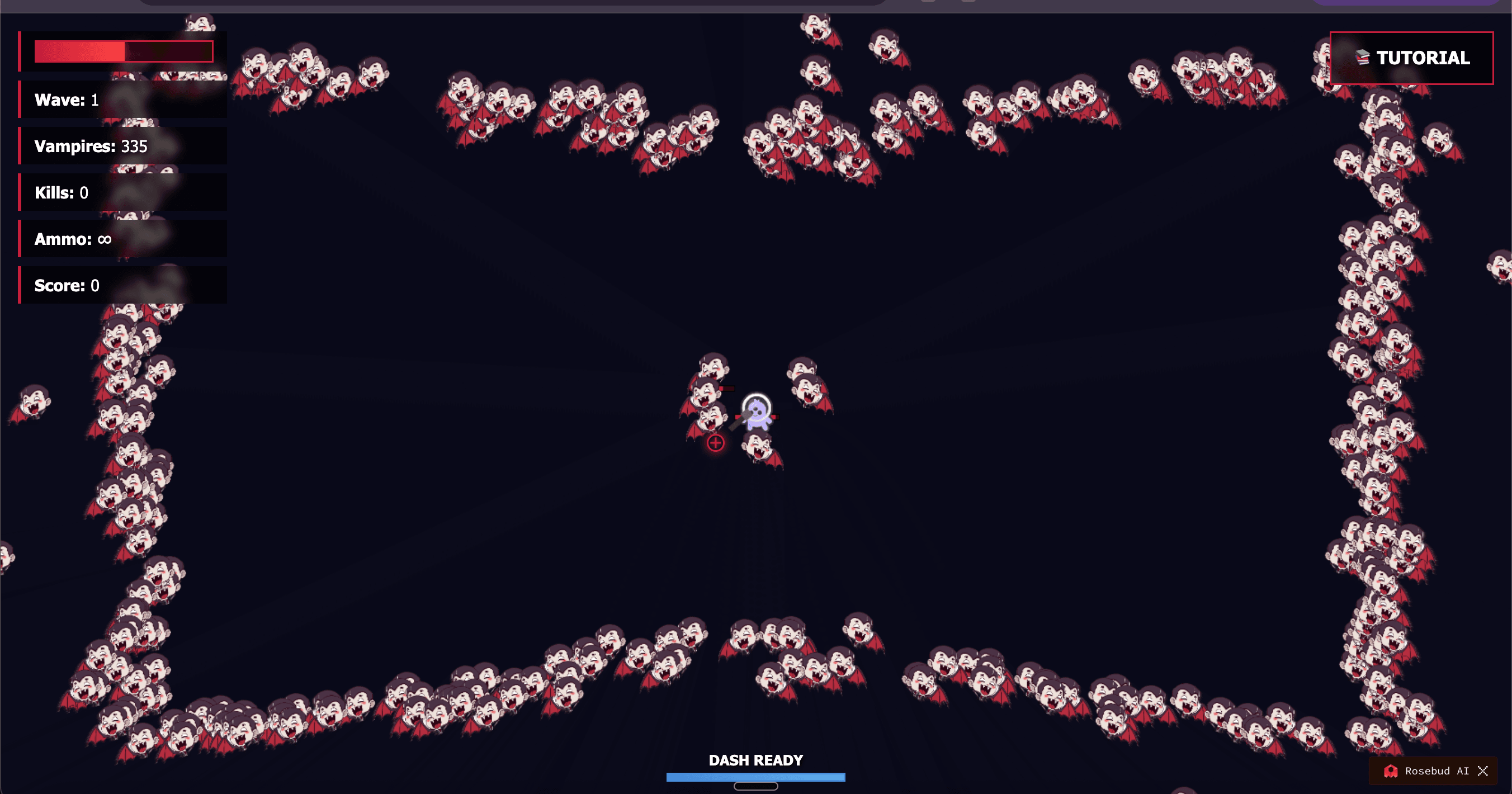
Rosebud AI Game Creator is a standout for its ability to transform a simple description - say, "roguelike dungeon crawler with pixel art knights" - into playable code with generated assets. No deep coding skills required. The engine handles everything from logic scaffolding to sprite design, giving new developers an instant on-ramp into game creation.
Ludo. ai takes it further by integrating market trend analysis directly into its creative suite. You can generate concepts, design levels, create 3D assets, and even predict which mechanics are trending on Steam or mobile stores - all powered by AI. This means indies can iterate at lightning speed and target genres with proven demand.
Scenario. gg, meanwhile, specializes in custom asset creation via generative models trained on your art style or genre references. Want a consistent visual identity across hundreds of items or characters? Scenario lets you batch-create assets that fit your vision without ever opening Photoshop.
Pushing Indie Dev Boundaries: What’s Actually Possible Now?
The impact isn’t theoretical anymore. According to recent data from Google Cloud and The Harris Poll, 87% of developers globally are already leveraging AI agents in their workflows. Over one-third use these tools for creative work like level design or dialogue scripting - not just bug fixes or optimization passes.
This democratization is visible everywhere:
- A first-time dev uses Rosebud to code their debut platformer over a weekend - no Unity experience needed.
- A small team leverages Ludo. ai’s trend analysis to pivot mid-project toward mechanics gaining traction on itch. io.
- An artist uses Scenario. gg to generate hundreds of NPC portraits matching their core aesthetic in hours instead of weeks.
The result? Faster prototyping cycles, more experimentation, and a surge in unique indie titles hitting the market without AAA budgets or teams behind them.
The New Workflow: From Prompt to Playable Build in Minutes
The magic lies in how these tools compress what used to be multi-week sprints into single sessions:
- You enter your concept as a text prompt ("top-down shooter with cyberpunk robots").
- The engine generates core gameplay logic plus placeholder art assets automatically.
- You refine levels or tweak mechanics using conversational feedback ("make enemies spawn faster after wave 3").
- If needed, plug Scenario. gg-generated assets directly into your project for instant polish.
- Ludo. ai analyzes similar games’ performance data so you can adjust scope before launch.
This workflow isn’t just about speed - it’s about empowering creators at every skill level to focus on high-leverage decisions rather than repetitive grunt work. For those new to the scene or looking for hands-on guidance, check out our detailed breakdowns like Building Playable Games With AI In Under An Hour: Step-by-Step Guide.
But speed is only part of the equation. AI prompt-to-game tools are fundamentally changing what’s possible for indie devs by enabling workflows that simply didn’t exist before. With Scenario. gg, you’re not just batch-generating assets, you’re iterating on visual directions in real time, training the models on your own sketches or reference packs. This means your game can have a unique look and feel, even if you lack a traditional art team.
Ludo. ai’s integration of market analytics isn’t just a gimmick; it’s actionable intelligence. Imagine prototyping three different mechanics in a single afternoon, then using Ludo’s AI to compare their market fit and trend potential. That’s a level of data-driven design previously reserved for major studios, now accessible to anyone with an idea and an internet connection.
Balancing AI Efficiency With Creative Authenticity
Of course, the conversation around AI game creation platforms isn’t all smooth sailing. As more projects lean into generative pipelines, questions about originality and authenticity are heating up. The backlash against undisclosed AI-generated assets in commercial releases like The Alters shows that transparency, and player trust, are non-negotiable. Some indies, like the team behind Chronicles: Medieval, have even reversed course on AI to preserve a handcrafted feel.
This tension is healthy for the ecosystem: it pushes devs to use tools like Rosebud AI Game Creator as accelerators rather than replacements for vision or craft. The best results come when you combine rapid prototyping with thoughtful iteration, using AI to handle the boilerplate while you obsess over what makes your game truly yours.
Actionable Tips for Indie Devs Entering the Arena
- Start with a clear vision: Before prompting any tool, define your core gameplay loop or narrative hook. AI works best when given specific direction.
- Iterate fast but review often: Use Rosebud or Ludo. ai to generate builds quickly but playtest each iteration, AI can miss subtle design flaws only humans will spot.
- Train Scenario. gg with your own art samples: Even five or ten reference images can dramatically improve output consistency and style matching.
- Be transparent about your pipeline: If you use AI-generated assets in your release build, disclose it up front, this builds trust with players and collaborators.
- Leverage data-driven feedback: Use Ludo. ai’s trend analysis not just for ideation but also post-launch tuning; adjust difficulty curves or asset types based on actual player engagement data.
If you’re ready to jump in deeper, our guide on how studios compress years of work into months using AI is essential reading for maximizing efficiency without sacrificing creativity.
Common Questions About Text-to-Game AI Tools
The bottom line? Whether you’re an artist looking to prototype solo or a micro-studio aiming for Steam charts, these platforms are rewriting what’s possible, and who gets to participate, in modern game development. The barrier isn’t technical anymore; it’s how fast you can iterate on ideas that resonate with players.




No comments yet. Be the first to share your thoughts!