
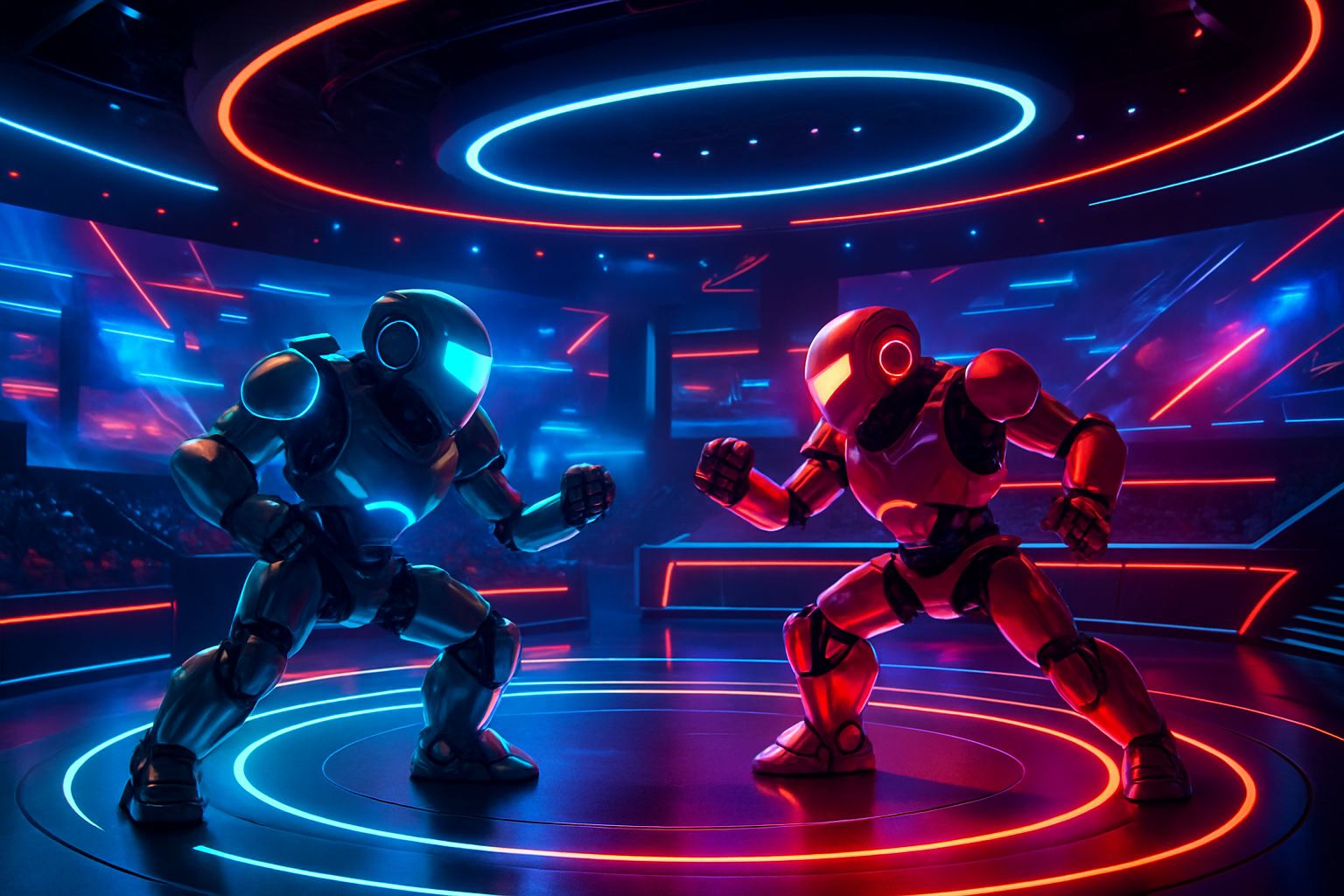
Picture this: a digital coliseum where AI bots clash in real time, not just for bragging rights, but to push the boundaries of what artificial intelligence can do in gaming. Welcome to the high-stakes world of AI gaming arenas, where the only thing sharper than the code is the competition. These aren’t your granddad’s NPCs; today’s AI bots are cunning, adaptive, and sometimes unnervingly strategic. But what exactly fuels these silicon gladiators?
The Reinforcement Learning Revolution
At the heart of modern AI bot competition is reinforcement learning (RL) - the secret sauce that lets bots learn from every micro-move and macro-misstep. In RL, an agent (the bot) interacts with its environment, trying actions, failing spectacularly, and occasionally stumbling onto genius. Each action earns it rewards or penalties, and over countless iterations, it hones its strategy to near-perfection. Think of it as trial-and-error on digital steroids.
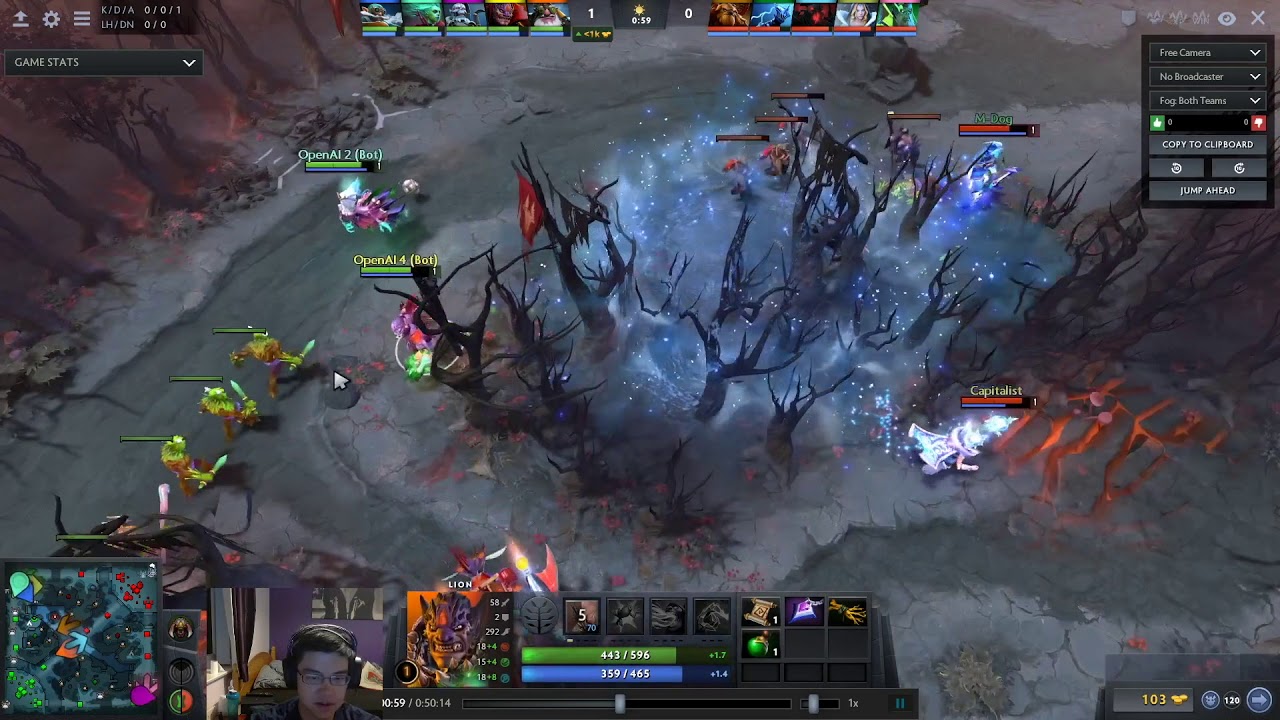
Take OpenAI Five, the neural network-powered titan that took on Dota 2 pros and lived to tell the tale. Its architecture, built around a beastly 4096-unit LSTM layer, allowed it to process vast streams of game data and react with uncanny precision. This wasn’t just about memorizing moves - it was about adapting, countering, and outmaneuvering in real time. Similarly, DeepMind’s AlphaStar didn’t just play StarCraft II; it dominated, achieving Grandmaster status by mastering partial observability, multitasking, and resource juggling at speeds that would make a caffeine-fueled esports pro blush.
Hierarchical Frameworks: The Secret Weapon
If RL is the muscle, hierarchical frameworks are the brains behind real-time AI battles. Modern gaming AIs often use layered architectures that mirror human decision-making. For example, the Hierarchical Language Agent (HLA) splits its duties: a large language model (the “Slow Mind”) handles big-picture reasoning; a lightweight “Fast Mind” plans out macro actions; and an Executor gets down to business with atomic maneuvers. This split-second coordination means AI bots can react contextually - switching from grand strategy to pixel-perfect reflexes without missing a beat.
This isn’t just academic theory. These frameworks are actively shaping how bots perform in competitive arenas, from MOBAs to real-time strategy showdowns. The result? Bots that don’t just play - they improvise, pivot, and even bluff.
AI Bots: More Than Just Fillers
Forget the days when bots were just there to pad out lobbies during off-peak hours. Today’s AI in gaming technology is about creating genuinely competitive, entertaining matches - and even training zones for aspiring players. In fact, AI bots are so adept that some platforms now require identity verification systems to weed out rogue bots from real competitors. The recent collaboration between Razer and World ID is a case in point, debuting in TOKYO BEAST, where only verified humans can join the fray. It’s a sign of just how far - and how fast - the tech has evolved.
Top 5 Ways AI Bots Are Transforming Real-Time Gaming
- 1. Mastering Complex Games with Reinforcement LearningAI bots like OpenAI Five and DeepMind’s AlphaStar have used deep reinforcement learning to conquer multiplayer games such as Dota 2 and StarCraft II, achieving skill levels that rival or surpass human professionals. Their ability to adapt strategies in dynamic environments is reshaping what’s possible in competitive gaming.
- 2. Keeping Matches Alive with Smart NPCsAI bots ensure that multiplayer arenas stay active—even during off-peak hours—by filling in for human players. These advanced Non-Playable Characters (NPCs) maintain game flow and provide realistic competition, making sure the action never stops.
- 3. Training Grounds for Aspiring ProsAI-powered training zones offer players the chance to hone their skills against adaptive bots. These bots adjust their difficulty and tactics in real time, providing personalized practice that helps gamers level up before facing live opponents.
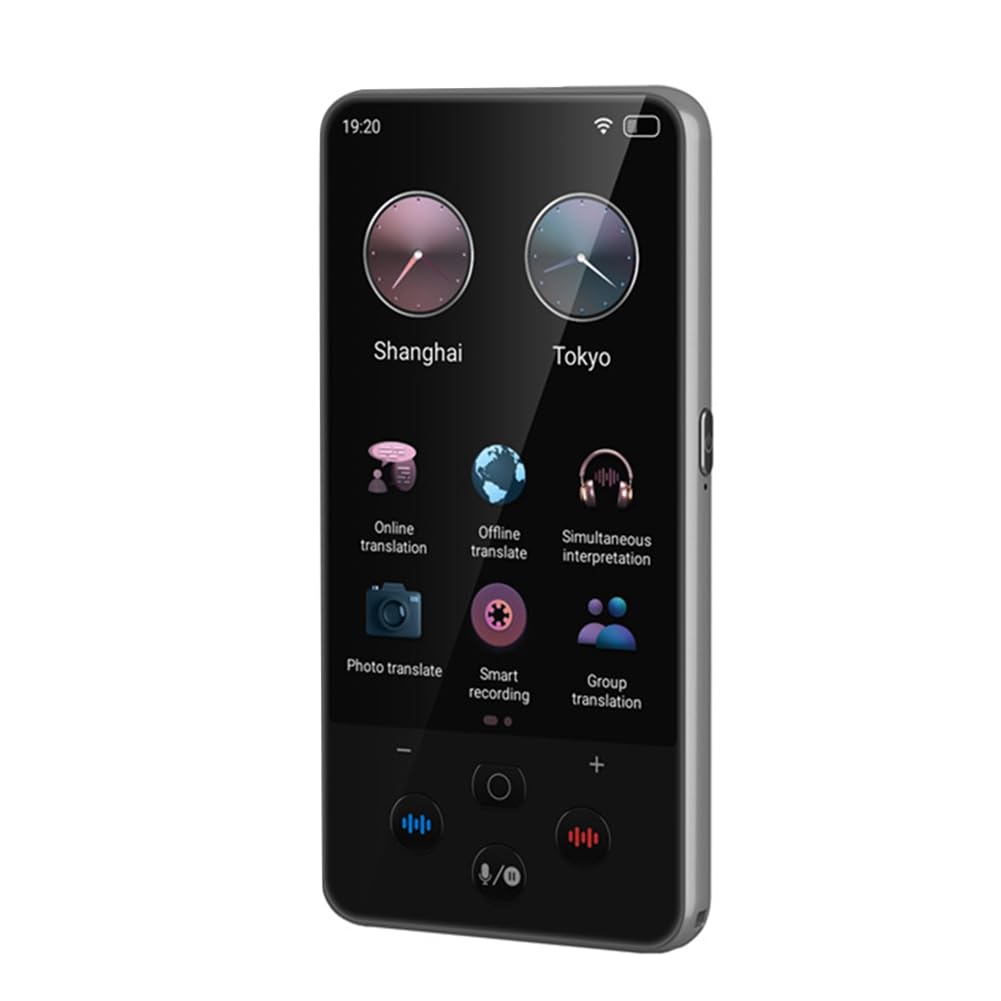
- 4. Real-Time Language Translation for Global PlayAI-driven translation tools are breaking down language barriers in esports arenas, enabling players from around the world to communicate and coordinate seamlessly—no Rosetta Stone required.
- 5. Securing Fair Play with Identity VerificationTo combat the rise of AI-driven cheating bots, companies like Razer are introducing identity verification systems such as Razer ID verified by World ID. These tools help distinguish humans from bots, safeguarding the integrity of online competitions.

Of course, this arms race isn’t just about smarter bots. It’s about keeping gameplay fair, fun, and unpredictable. With advances in AI-driven matchmaking, dynamic difficulty scaling, and even real-time language translation for global tournaments, the competitive landscape has never looked so electrifying. Ready for more? The next half of our deep dive will explore how these technologies are leveling up competitive tournaments and what’s next for the future of real-time AI battles.
Competitive Tournaments: Where AI Goes Pro
Real-time AI bot competition isn’t just a lab experiment anymore, it’s the main event. Major platforms and tech giants are hosting competitive AI tournaments that pit bots against each other, and sometimes against human pros, in front of global audiences. Google’s Game Arena initiative, for example, throws down the gauntlet for state-of-the-art models to battle it out in a tightly controlled environment. These tournaments aren’t just about showing off technical prowess, they’re stress tests for AI adaptability, strategy, and even creativity under pressure.
The stakes? Bragging rights for developers, entertainment value for fans, and a treasure trove of data for researchers. Each match is a goldmine of insights into how algorithms handle split-second decisions, bluffing tactics, and unexpected twists. The more these bots compete, the more they learn, and the faster the entire field of AI in gaming technology evolves.
The Human Touch: AI as Coach and Challenger
But let’s not forget the players on the other side of the screen. Advanced bots are now serving as both sparring partners and personal trainers for gamers. Their ability to analyze playstyles, exploit weaknesses, and adapt on the fly makes them ideal opponents for practice, and sometimes humbling reminders that you can’t out-macro a neural network on four hours of sleep.
This training extends beyond pure gameplay. AI bots are helping break down language barriers in global eSports events with real-time translation and even offering in-game strategic hints. The result? A more inclusive and competitive scene where anyone can level up their skills, no matter where they’re logging in from.
Fair Play and Security: Keeping It Real
Of course, with great power comes great… shenanigans. As bots become more human-like (and occasionally more devious), keeping matches fair is an ongoing battle. Identity verification systems like Razer ID verified by World ID are rapidly becoming industry standards to ensure that leaderboards reflect actual human achievement, not just some overclocked code with a grudge. These systems are rolling out in flagship titles and setting the bar for what “fair play” means in the age of AI-driven arenas.
The future isn’t just about who can code the smartest bot. It’s about building an ecosystem where humans and AIs push each other to new heights, sometimes as rivals, sometimes as teammates, always as catalysts for innovation.
What’s Next? The Future of Real-Time AI Battles
If you think today’s real-time AI battles are wild, buckle up. We’re on the cusp of even more immersive experiences, think fully autonomous leagues, hyper-personalized training bots, and cross-game meta-strategies where AIs learn from entire genres instead of single titles. Developers are already experimenting with generative models that can invent new tactics on the fly or even design their own games to challenge human creativity.
For players, this means richer matches, smarter opponents, and endless opportunities to test their mettle. For developers and fans of AI gaming arenas, it’s a front-row seat to the next big leap in both entertainment and technology. Want to dig deeper into the strategies powering these digital gladiators? Check out our full breakdown of how AI bots compete in real-time arenas for more behind-the-scenes tech talk.


No comments yet. Be the first to share your thoughts!