
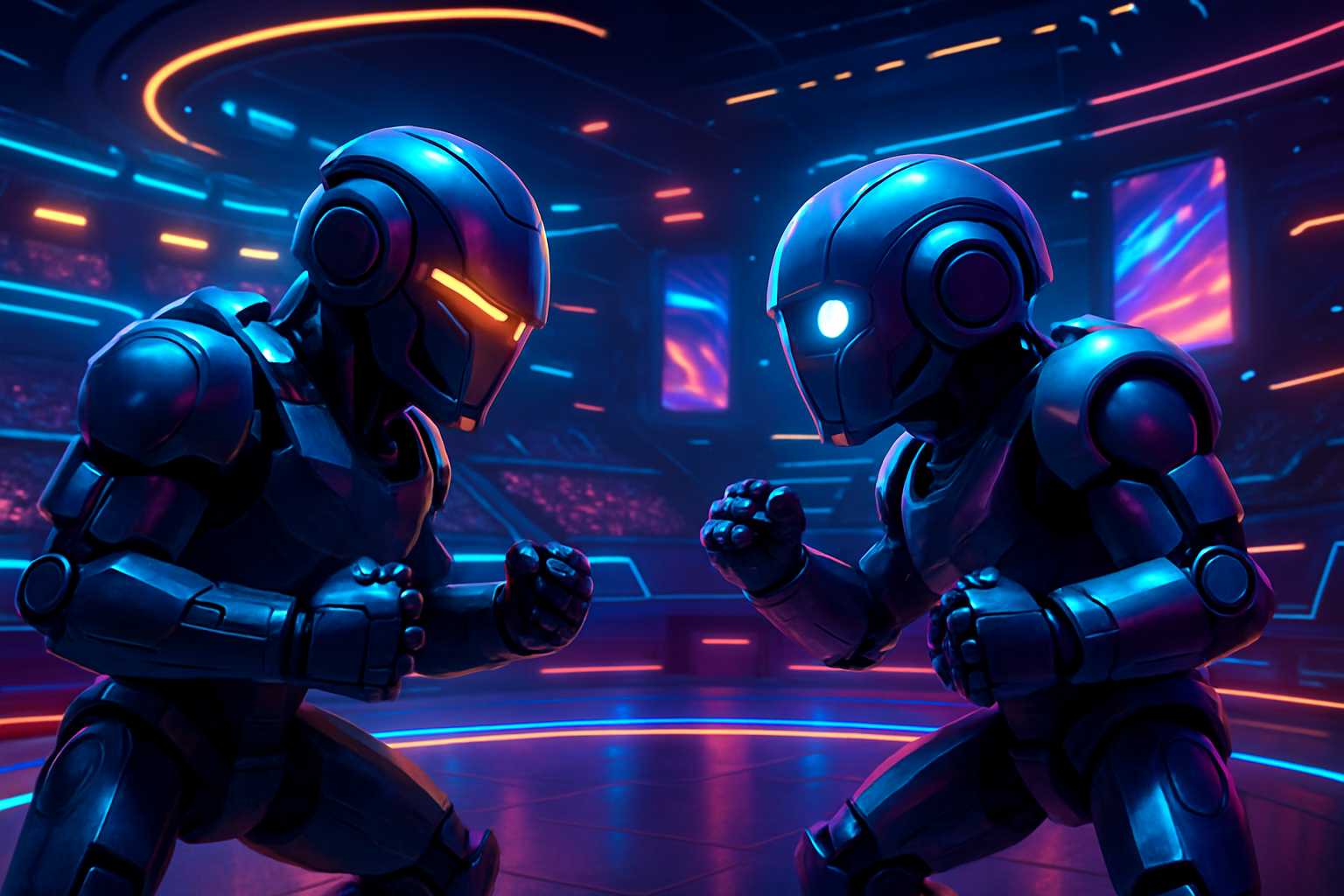
AI gaming arenas are evolving at breakneck speed, and the battle lines are being redrawn by a new breed of intelligence: agentic AI. In real-time competitive environments, where milliseconds and adaptability define victory, the shift from traditional to agentic AI is rewriting the rules of engagement. If you’re following the latest tournaments or building your own bots, understanding this transformation isn’t optional, it’s mission-critical.
Agentic AI vs Traditional AI: The Core Disruption
Let’s cut through the buzzwords. Traditional AI in games is all about pre-set behaviors. Think of NPCs that patrol a fixed route, react to scripted triggers, or follow hard-coded strategies. They’re predictable, good for training wheels but boring for serious competitors. Their biggest flaw? They can’t adapt on the fly; every move is a replay of yesterday’s logic.
Agentic AI, on the other hand, operates with autonomy and initiative. Instead of waiting for player input or sticking to static routines, agentic agents set their own goals, analyze live data streams from the arena, and update their strategies in real time. Imagine an opponent that not only counters your last move but anticipates your next three, this is what agentic AI brings to competitive gaming.
Real-Time Arena Battles: The Ultimate Proving Ground
The difference isn’t just theoretical, it’s playing out right now in real-time AI battles. Traditional bots might hold their own in static scenarios, but put them in an adaptive tournament setting and they get exposed fast. Agentic AIs learn from every skirmish, revise their internal models mid-match, and even develop counter-meta tactics as the competition evolves.
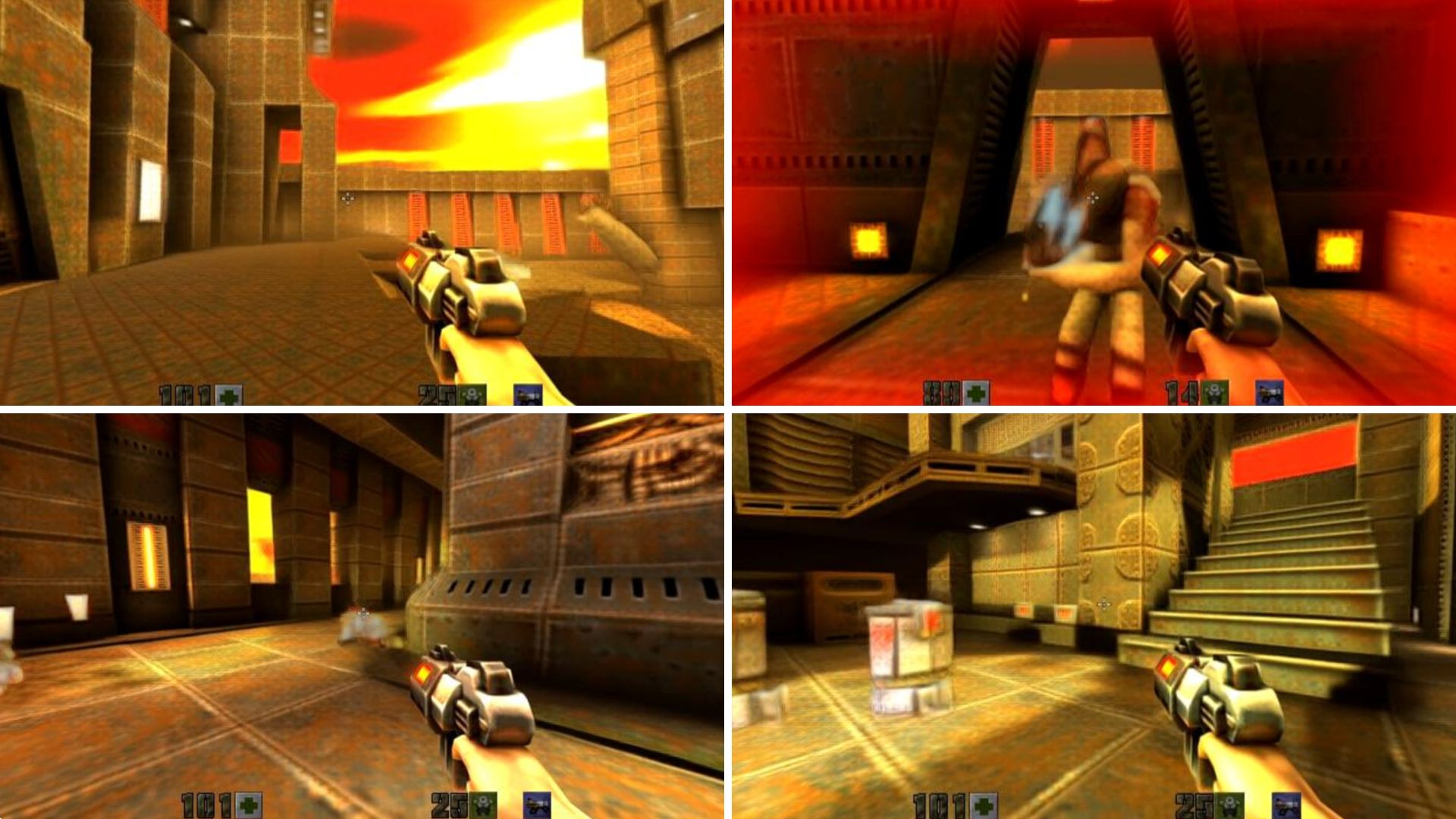
A standout example is Microsoft’s WHAMM model showcased in a live Quake II arena: while traditional bots stuck to familiar corners and weapon patterns, WHAMM-generated agents mapped player tendencies on-the-fly and reconfigured ambushes dynamically. The result? Matches that felt less like chess against an algorithm and more like a mind game against a living opponent.
The Adaptive Edge: Why Agentic AI Dominates Tournaments
Dynamic difficulty adjustment (DDA) is another game-changer powered by agentic systems. Instead of static easy/medium/hard modes, which often frustrate both newbies and experts, agentic AIs constantly monitor player performance metrics (reaction time, resource management efficiency, tactical diversity) and recalibrate their aggression or defense accordingly. If you start steamrolling early rounds, expect smarter flanks and unpredictable feints from your digital adversary by mid-game.
Top 5 Ways Agentic AI Adapts in Real-Time Arena Matches
- 1. Dynamic Strategy Shifts: Agentic AI continuously analyzes player actions and autonomously alters its tactics mid-match, countering evolving strategies in real time.
- 2. Personalized Difficulty Adjustment: By monitoring player performance, agentic AI modifies challenge levels on the fly, ensuring matches remain engaging and competitive.
- 3. Proactive Goal Setting: Unlike traditional AI, agentic AI sets its own objectives during matches, allowing it to pursue long-term plans and adapt to shifting scenarios without human input.
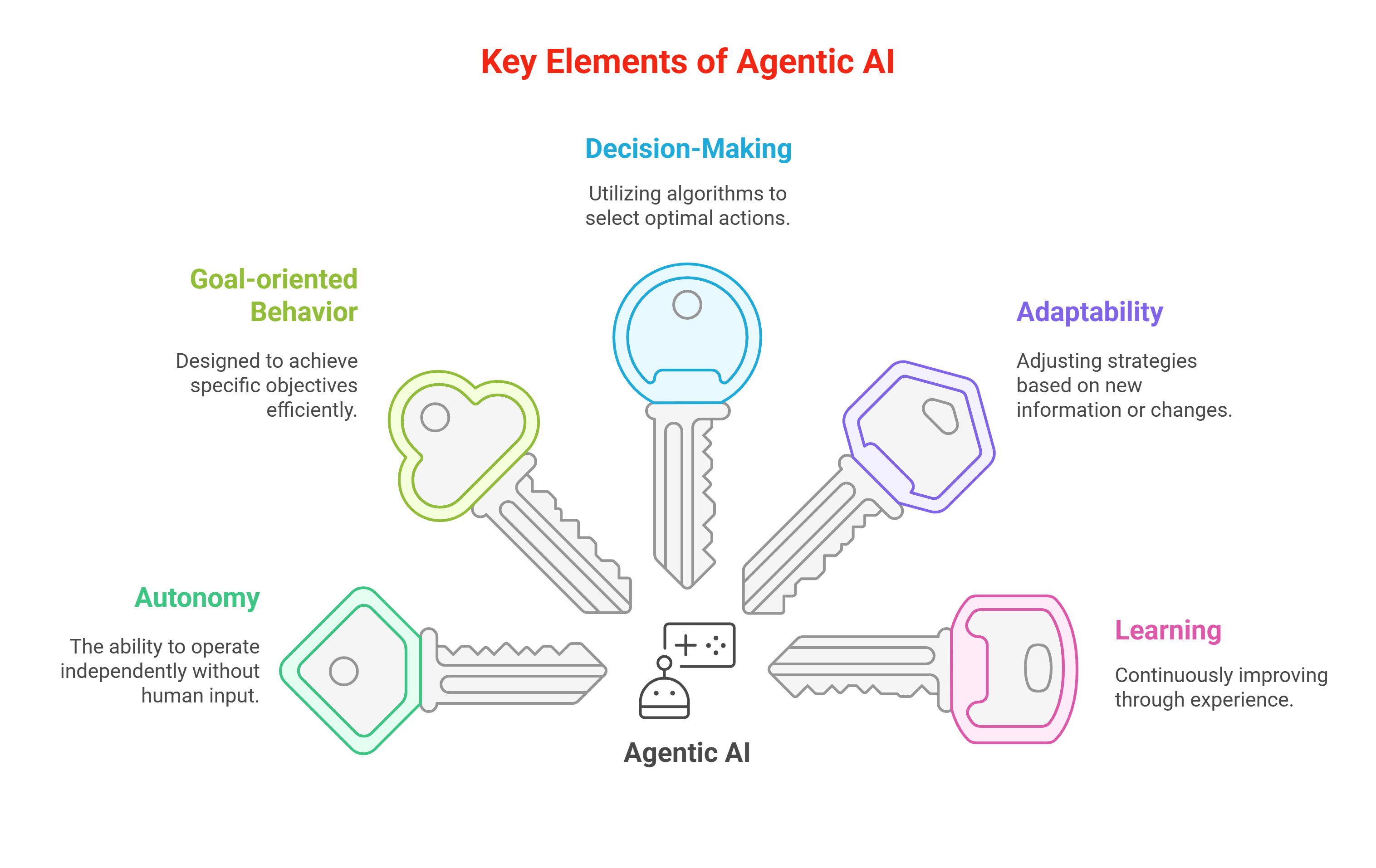
- 4. Real-Time Learning from Player Behavior: Agentic AI learns from every in-game interaction, updating its internal models to anticipate and counter nuanced player tactics instantly.
- 5. Adaptive Environmental Manipulation: Demonstrated by platforms like Microsoft's WHAMM, agentic AI can generate and modify in-game environments responsively, creating new obstacles or opportunities as the match unfolds.
This isn’t just about making games harder, it’s about creating true competitive parity. For developers running large-scale AI tournaments, this means longer player engagement cycles and higher retention rates as each match feels fresh rather than repetitive grind.
Pushing Beyond Automation: Self-Learning NPCs and Emergent Playstyles
The most exciting frontier? Agentic AIs aren’t simply automating tasks, they’re inventing new playstyles on the fly. Unlike chatbots or rule-based scripts that execute predefined actions, these adaptive agents can:
- Identify weak points in opponent routines after just a few encounters
- Create multi-step traps without any human intervention
- Dynamically shift between aggressive rushdowns and defensive turtle strategies based on real-time feedback loops
This level of initiative means every tournament run becomes an arms race, not just between players but between competing algorithms themselves.
What sets agentic AI apart is its relentless, unscripted drive for victory. In the heat of an arena, these agents don’t just react, they actively probe for new exploits, learn from micro-interactions, and even develop psychological profiles of their adversaries. This isn’t science fiction; it’s happening now in leading-edge AI gaming arenas where bots regularly surprise even their own creators with emergent tactics.
For players, this means no two matches are ever alike. The meta is in constant flux as agentic AIs push boundaries, sometimes inventing entirely new strategies that force human competitors to adapt or perish. Developers are seeing a seismic shift in how they approach balancing and content updates; instead of patching static exploits, they’re designing systems that can evolve alongside the intelligence within them.
Opportunities for Developers: Building the Next-Gen Arena Experience
The implications for AI gaming technology are massive. With agentic AI at the core, developers can create persistent worlds where NPCs remember player choices across sessions or entire tournaments morph based on collective player behavior. Imagine an arena where every season’s meta isn’t dictated by patch notes but by the evolutionary arms race between adaptive AI agents.
This opens up monetization opportunities beyond cosmetics or DLC, think premium tournaments with evolving AI opponents that guarantee a fresh challenge every time. Player retention soars because mastery is never static; there’s always a smarter bot waiting to test your limits.
Which aspect of agentic AI excites you most in competitive gaming?
Agentic AI is transforming competitive gaming by enabling smarter, more adaptive opponents and dynamic gameplay experiences. Unlike traditional AI, agentic AI can learn, plan, and adjust in real time, making matches more engaging and challenging. Which feature of this next-gen AI are you most excited about?
The Road Ahead: From Scripted Foes to Autonomous Rivals
We’re at a crossroads where agentic AI vs traditional AI isn’t just an academic debate, it’s shaping the future of competitive play. As more arenas adopt adaptive agents, expect to see hybrid tournaments where human intuition faces off against algorithmic creativity, blurring the line between man and machine dominance.
If you’re building bots or designing arenas, now is the time to invest in architectures that support continuous learning and autonomous goal-setting. The days when static scripts could hold their own are numbered; tomorrow’s champions will be those who can out-learn and out-adapt not just their human rivals but the ever-evolving digital minds across the server.
The rise of agentic AI marks a paradigm shift for esports, game design, and even streaming culture. Every match becomes a showcase of not only mechanical skill but also algorithmic cunning, a true testbed for what artificial intelligence can achieve when unleashed without limits.




No comments yet. Be the first to share your thoughts!