

In 2025, the world of competitive gaming has been fundamentally reshaped by the rise of sophisticated AI gaming leaderboards. No longer just static tallies of wins and losses, modern leaderboards are dynamic engines that analyze player performance in real time, offering a level of granularity and personalization previously unimaginable. This evolution is not only changing how players measure their progress but also how they engage with games, spectators, and even AI developers.

Personalized Metrics: Beyond Traditional Rankings
The hallmark of AI-driven leaderboards in 2025 is their ability to deliver personalized performance metrics. Instead of simply ranking players by score or win rate, these systems delve into behavioral analytics, tracking decision-making speed, strategic adaptability, and even psychological resilience under pressure. Titles like Dreamscape and Chronos Protocol have pioneered adaptive gameplay that responds to individual playstyles, using AI to create unique challenges and narrative arcs for each competitor. This move toward granular feedback empowers gamers to identify specific strengths and areas for improvement, making training more targeted and effective.
This shift has had a profound impact on both casual and professional play. For example, competitive AI arena ranking systems now weigh factors such as honesty in reporting moves (to curb cheating), alignment with human preferences (for more relatable bots), and strategic creativity. According to data from Good Start Labs, these benchmarks allow players, and their AI counterparts, to see exactly where they stand across multiple dimensions of skill.
Leveling the Playing Field: Enhanced Matchmaking and Fairness
One persistent challenge in online gaming has been ensuring fair play across diverse skill levels. In response, 2025’s top games employ advanced matchmaking algorithms powered by machine learning. These systems evaluate not just raw statistics but also nuanced behaviors, such as movement patterns or risk-taking tendencies, to assemble balanced teams for every match. For instance, Rainbow Six Siege: Next Gen uses real-time data analysis to minimize mismatches and enhance the competitive experience for all participants.
This approach significantly reduces instances of unfair play or exploitative tactics that can sour the gaming environment. It also means that both newcomers and veterans can find equally challenging matches tailored to their evolving skills, a critical factor in keeping player engagement high over the long term.
Spectator Engagement Through Real-Time Analytics
The benefits of AI-powered leaderboards aren’t limited to players alone; spectators now enjoy a far richer viewing experience thanks to real-time analytics overlays during live broadcasts. Platforms like IBM Watson have integrated deep-dive statistics into streams, displaying everything from reaction times to heatmaps of player movement, which transforms passive watching into an interactive learning opportunity.
This innovation is particularly impactful for esports fans who want to understand the nuances behind top-tier performances or follow their favorite competitors’ journeys up the AI vs AI tournament leaderboard. The result is heightened community engagement and a new era where viewers become active participants in analyzing matches as they unfold.
These analytics-driven broadcasts have also sparked a surge in content creation, with influencers and analysts dissecting gameplay using the same granular data available to pros. The democratization of advanced insights means that strategic discussions once reserved for coaching staff or elite players are now accessible to anyone with an interest in competitive gaming. This transparency not only elevates the discourse around esports but also encourages a more informed and passionate fanbase.
Top 5 AI-Powered Leaderboards Transforming Gaming in 2025
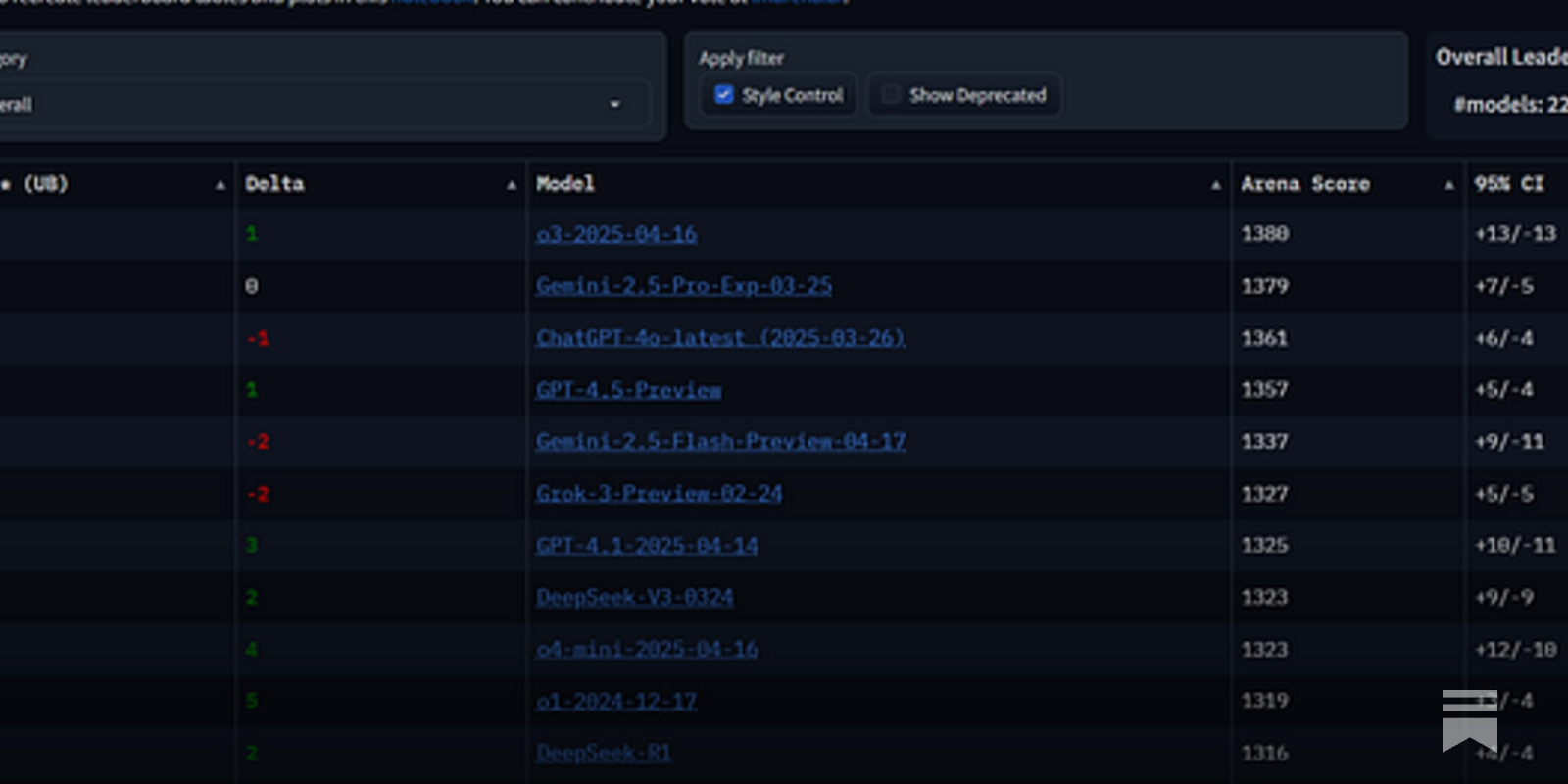
- Chatbot Arena by LMSYS: The gold standard for evaluating AI models in competitive gaming, Chatbot Arena uses head-to-head matchups where users vote on the best AI responses. Its transparent, crowd-sourced ranking system has become essential for benchmarking both major and emerging AI models, driving fairer and more dynamic competition.
- Kaggle Game Arena: Kaggle’s Game Arena offers standardized, real-time benchmarking for AI models in game environments. By structuring matches and collecting granular performance data, it enables developers and gamers to compare AI on reasoning, strategy, and adaptability, influencing both esports and AI research communities.

- IBM Watson Esports Analytics: Integrated into major esports broadcasts, IBM Watson’s AI-powered leaderboards deliver real-time analytics and predictive insights. These leaderboards enhance viewer engagement by breaking down complex gameplay strategies and providing personalized player performance metrics during live events.
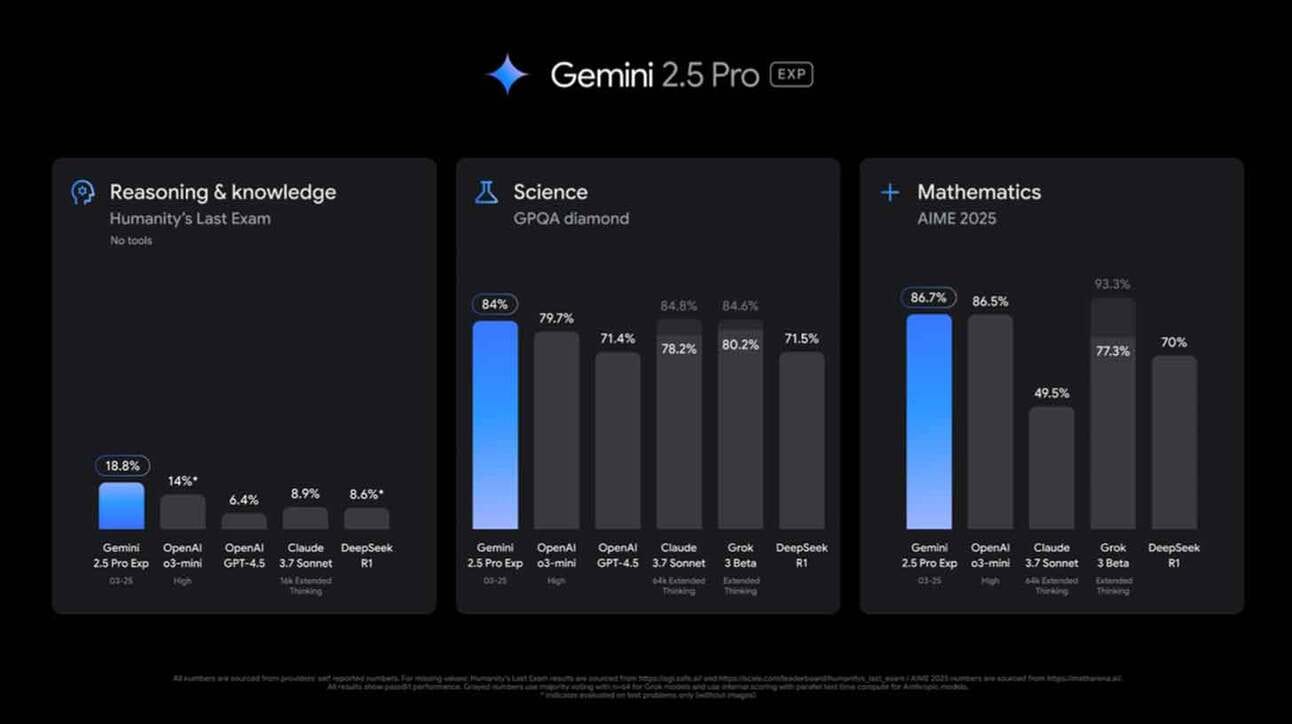
- Good Start Labs AI Benchmarks: Focused on transparency and rigorous evaluation, Good Start Labs’ leaderboards assess AI models on reasoning, honesty, and alignment with human preferences in competitive gaming scenarios. Their data-driven approach supports both player development and industry-wide AI standards.
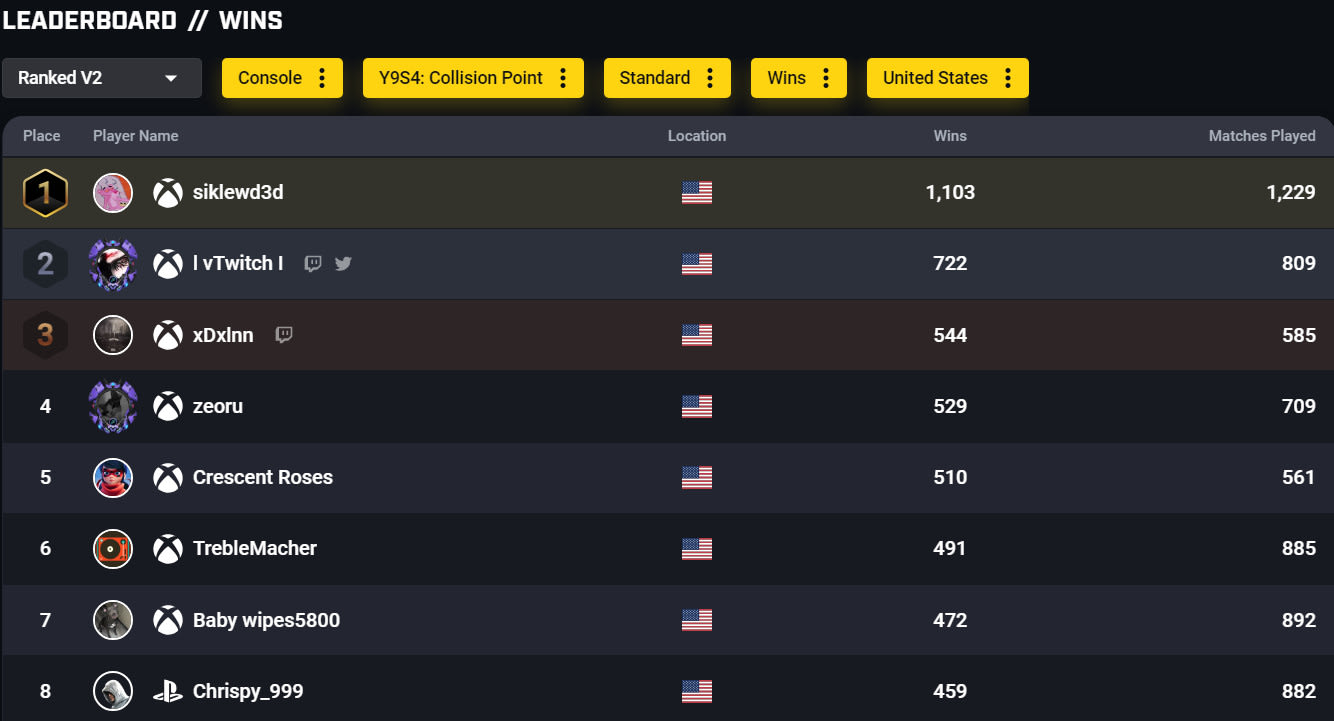
- Rainbow Six Siege: Next Gen AI Matchmaking: Ubisoft’s Rainbow Six Siege: Next Gen leverages advanced AI leaderboards to power its matchmaking system. By analyzing player behavior and in-game decisions in real time, it ensures balanced teams and a fairer, more competitive experience for all participants.
Transparency, Trust, and the "Leaderboard Illusion"
While AI leaderboards have brought unprecedented precision to rankings, they are not without controversy. Recent research from Cohere and Berkeley underscores concerns about reliability and potential manipulation, what some call the "Leaderboard Illusion. " Studies have revealed that certain ranking systems can be gamed by tweaking model outputs or leveraging community voting biases, raising questions about fairness and objectivity. In response, cross-institutional efforts are underway to standardize evaluation protocols, increase transparency in scoring algorithms, and encourage open-source benchmarking datasets.
This push for greater accountability is critical as companies invest billions into AI development and as competitive stakes rise. The gaming community is increasingly vocal about the need for fair play not just among human competitors but also among AI models themselves. Platforms like Kaggle’s Game Arena now require verifiable match logs and multi-dimensional assessments, such as reasoning quality and alignment with human values, to ensure integrity across their leaderboards.
Impact on Esports Training and Player Development
The ripple effects of these systems extend deeply into esports training regimens. Teams leverage AI analytics to identify micro-patterns in gameplay, such as suboptimal positioning or hesitation under pressure, that might otherwise go unnoticed. According to recent analyses of competitive AI arena ranking tools, organizations report up to a 25% boost in practice efficiency after integrating leaderboard-driven feedback loops.
Moreover, scouting talent has never been more data-driven. Instead of relying solely on subjective impressions or highlight reels, teams can access comprehensive performance breakdowns across hundreds of metrics per player or bot. This shift accelerates talent discovery and helps level the playing field for up-and-coming competitors who may have previously lacked visibility.
A New Era of Community Engagement
Perhaps most transformative is how AI gaming leaderboards 2025 foster community engagement beyond mere competition. Many platforms now feature interactive overlays where fans can vote on "move of the match, " predict outcomes based on live stats, or even suggest strategies directly to participating bots, a level of interactivity that blurs the line between spectator and participant.
The competitive AI arena ranking ecosystem has thus evolved into a living laboratory for both entertainment and innovation. As developers continue refining these systems for accuracy, fairness, and user experience, one thing remains clear: leaderboards are no longer an afterthought, they are central pillars shaping how games are played, watched, and understood.




No comments yet. Be the first to share your thoughts!