
What makes a great AI game bot
In 2026, the definition of a "great" AI game bot has shifted from raw automation to immersive integration. The industry benchmark is no longer just about executing commands, but about how well the bot understands context and adapts to player behavior in real time. A top-tier bot acts less like a scripted NPC and more like a dynamic co-pilot, capable of handling complex, multi-step tasks without breaking the flow of gameplay.
Three criteria now define the best tools in this space:
- Context Window Depth: The ability to remember long-term player interactions and game state changes. Tools like Claude Sonnet 5 and Claude Opus 4.8 lead here, offering extended context handling that allows bots to maintain coherent, natural conversations or strategic logic over hours of play.
- Responsiveness and Latency: Low-latency API integration is non-negotiable. The bot must react to in-game events instantly. This requires robust backend infrastructure that can process inputs and return actions without noticeable delay, ensuring the bot feels like a part of the game rather than a separate overlay.
- Natural Language Understanding: The bot should interpret vague or creative player inputs. Instead of rigid command lines, it should understand intent. For example, if a player asks for a "stealthier approach," the bot should adjust its pathing or dialogue options accordingly, mimicking the nuance of human interaction.
This evolution means that the "best" bot for you depends on your specific need. Are you looking for a bot to help with complex coding tasks in game development, or one to assist with in-game strategy? The leading tools in 2026 are optimized for these distinct use cases, prioritizing depth of understanding over simple speed.
Top AI game bots for immersive NPCs
The landscape of automated NPC interactions is shifting from scripted routines to context-aware agents. In 2026, the most effective AI game bots prioritize natural language processing and persistent memory, allowing non-player characters to maintain coherent conversations across long play sessions. These tools integrate directly with popular gaming platforms, offering developers and players sophisticated alternatives to static dialogue trees.
Open-Source Frameworks for Custom NPCs
For developers seeking granular control, open-source frameworks provide the backbone for custom NPC behavior. Projects like BOT-MMORPG-AI demonstrate how artificial intelligence can be applied to MMORPGs and RPGs, enabling bots to handle complex quest logic and dynamic dialogue without hard-coded responses. These frameworks often rely on large language models to generate contextually appropriate replies, though they require significant technical overhead to deploy.
Integrated AI Companions
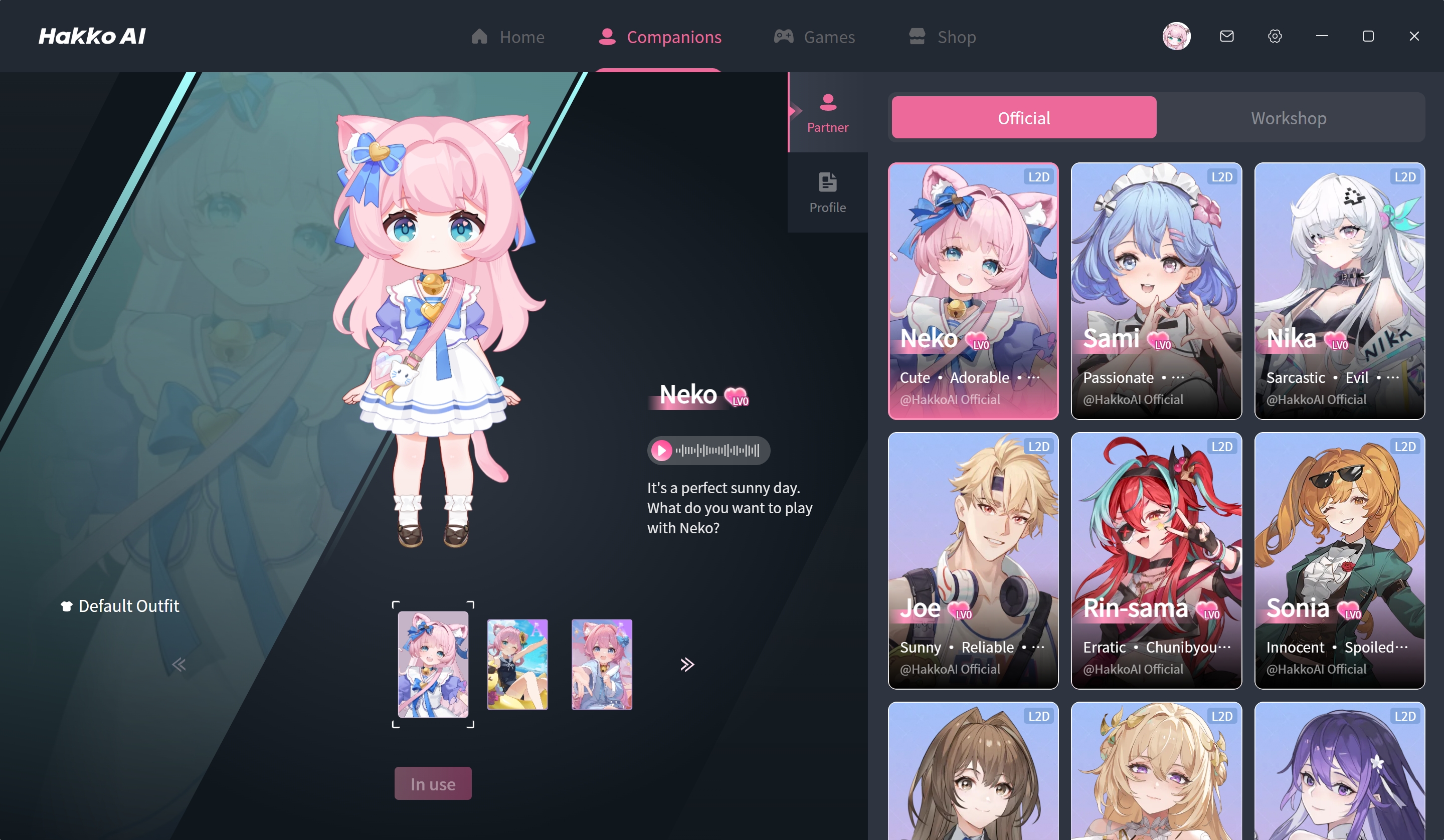
Consumer-facing solutions are emerging that prioritize ease of use. Tools like HakkoAI function as personal gaming companions, bridging the gap between game clients and AI assistants. These integrations allow players to interact with NPCs through natural language inputs, enhancing immersion without requiring coding knowledge. The focus here is on reducing friction, allowing the AI to interpret player intent and adjust NPC responses in real-time.
Discord and Multiplayer Bot Ecosystems
In multiplayer environments, AI bots often operate within Discord or in-game chat systems to manage community interactions. As outlined in the 2026 Guide to Discord Games Bots, these bots handle everything from automated moderation to generating in-game events. While primarily designed for server management, advanced configurations allow these bots to simulate NPC-like interactions, creating a more responsive community atmosphere.


As an Amazon Associate, we may earn from qualifying purchases.
Automation bots for grinding and farming
The line between a helpful assistant and a disruptive cheat often blurs in the world of automation bots. For players seeking efficiency, the goal is usually to reclaim time spent on repetitive tasks rather than to bypass the core gameplay loop entirely. These tools function less like human players and more like digital laborers, handling the monotonous aspects of MMORPGs and RPGs so you can focus on social interaction, high-level strategy, or simply logging off.
Context-aware farming assistants
Open-source projects like BOT-MMORPG-AI demonstrate how machine learning models can be trained to recognize in-game environments. Unlike static macro scripts that rely on rigid pixel coordinates, these AI-driven bots use a larger context window to interpret the game state. They can identify enemies, resources, and safe zones dynamically, allowing them to adapt to changing server conditions. This flexibility reduces the risk of detection compared to older, pattern-based automation tools.
The economic reality of AI labor
While many users employ these tools for personal convenience, a significant portion of the automation bot market is driven by economic incentives. Some operators build "artificial workers" designed to farm accounts and produce in-game currency or items for resale. This practice creates a complex dynamic within gaming communities, as it introduces a layer of artificial scarcity and economic distortion that human players do not face.
Safety and account integrity
Using automation tools carries inherent risks. Most game publishers explicitly forbid third-party software that interacts with the game client in unauthorized ways. Even if a bot is designed to mimic human behavior, it can still trigger anti-cheat systems. Players considering these tools should weigh the time saved against the potential loss of their account and the impact on the game's ecosystem.
Choosing the right tool
When evaluating automation bots, look for features that prioritize safety and adaptability. Tools that offer API integration allow for better monitoring and control, while those with strong community support are more likely to receive updates that bypass new security patches. However, remember that no tool is entirely risk-free. The most effective use of these bots is often as a supplementary aid for specific, tedious tasks rather than a full replacement for player engagement.
Discord Bots for Community Gaming
Discord remains the central hub for multiplayer coordination, and 2026’s bot ecosystem has shifted from simple command-line utilities to AI-driven companions. These tools integrate directly into voice channels and text chats, managing game-specific tasks like loot tracking, raid scheduling, and real-time strategy assistance without leaving the server environment.
Questie AI Game Companion
Questie AI bridges the gap between static game guides and dynamic community chat. It pulls context from the game client to provide real-time quest updates and loot analysis, which members can then discuss in Discord channels. This reduces the friction of looking up external wikis during active play sessions.
The bot’s strength lies in its API integration with major MMOs and RPGs. It parses game logs to identify high-value items or rare spawns, posting alerts directly to designated channels. This allows raid leaders to coordinate loot distribution based on actual drop rates rather than manual tracking.
Community Coordination and Moderation
Beyond gameplay assistance, bots like Dyno and Carl-bot handle the administrative load that keeps communities healthy. They automate role assignments based on game achievements and filter toxic language using updated NLP models. This ensures that the server remains focused on gaming strategy rather than moderation disputes.
Integration with Voice Channels
Modern bots connect to Discord’s voice API to provide audio cues for game events. When a boss mechanic triggers or a zone changes, the bot can play a subtle sound or send a text alert to the voice channel. This keeps players informed without requiring them to pause the game to check chat windows.
Frequently asked: what to check next
Which AI model is best for NPC dialogue in 2026?
For creating immersive NPC dialogue, Claude Sonnet 5 and Claude Opus 4.8 are the top choices. They offer extended context windows and stronger reasoning, allowing NPCs to maintain consistent personalities and memory across long interactions without breaking character.
Can AI bots play MMORPGs automatically?
Yes, tools like BOT-MMORPG-AI use artificial intelligence to automate gameplay for MMORPGs and RPGs. These bots handle repetitive tasks automatically, though they may require specific API integrations and configuration to interact with game servers safely.
How do game developers use AI agents?
According to a Google Cloud survey cited by Reuters, 87% of video game developers now use AI agents. This widespread adoption helps streamline asset creation and automate testing, significantly reducing development costs following industry-wide layoffs.
What are the risks of using automation bots?
Using automation tools carries inherent risks. Most game publishers explicitly forbid third-party software that interacts with the game client in unauthorized ways. Even if a bot is designed to mimic human behavior, it can still trigger anti-cheat systems, potentially leading to account bans.
No comments yet. Be the first to share your thoughts!