

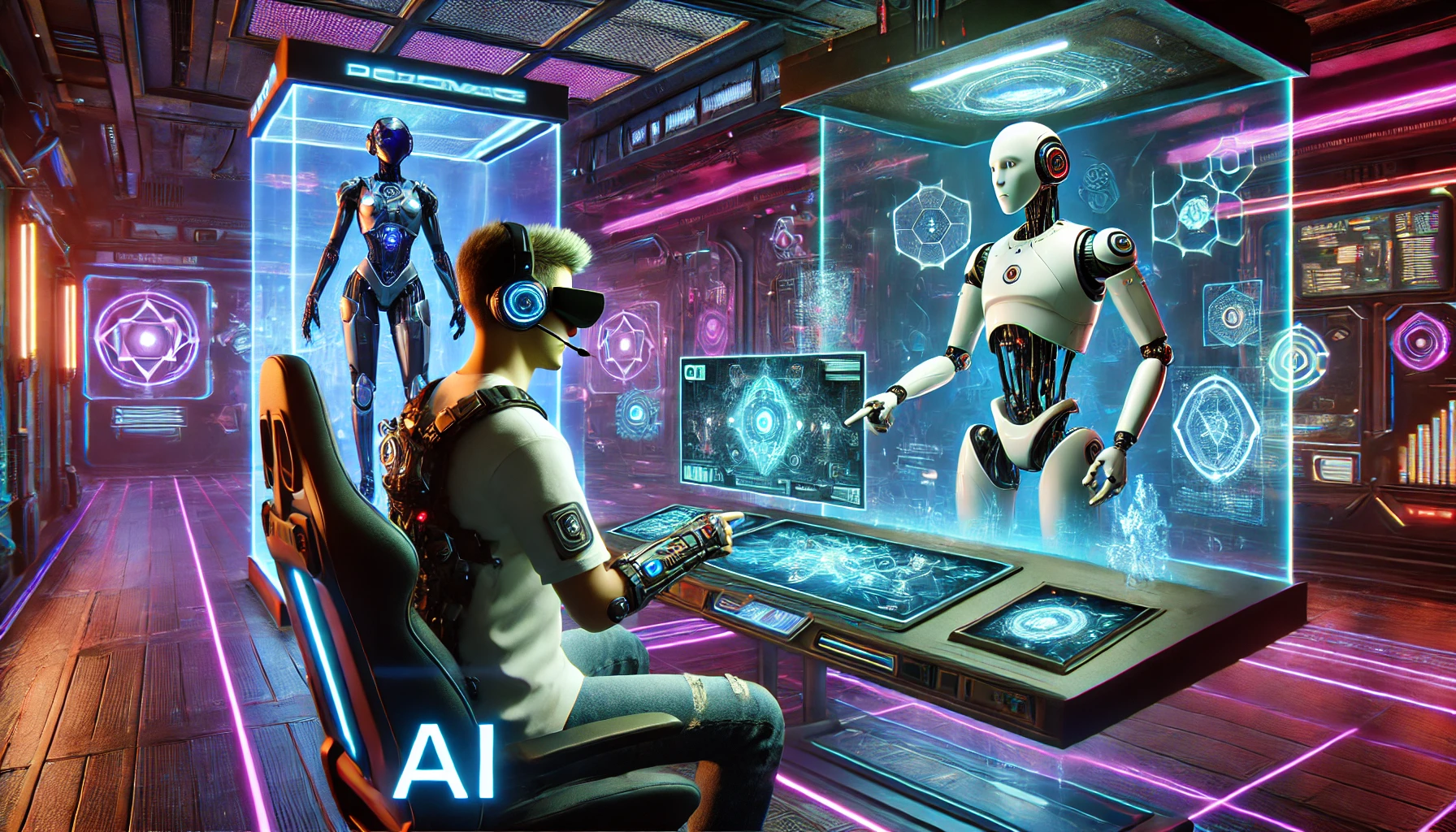
In 2025, the landscape of game development has shifted dramatically. What was once an exclusive domain for skilled programmers and artists is now accessible to anyone with a spark of creativity and a few minutes to spare. Thanks to the rise of AI-powered game engines, building multiplayer arenas for competitive play is no longer a multi-week ordeal. Instead, intuitive tools and generative AI models have made it possible to design, launch, and iterate on sophisticated multiplayer games in record time.

The New Era: Democratizing Multiplayer Game Creation
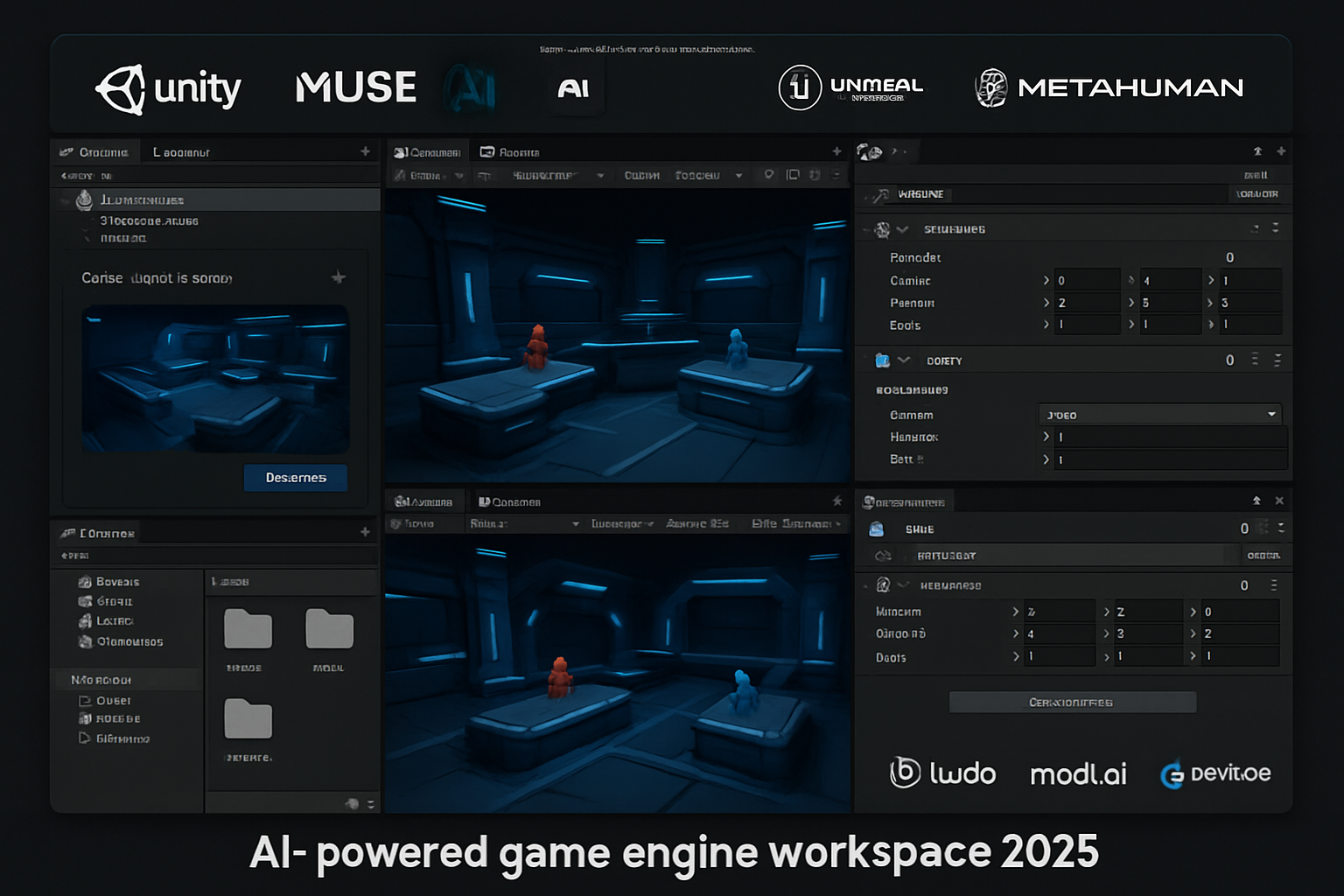
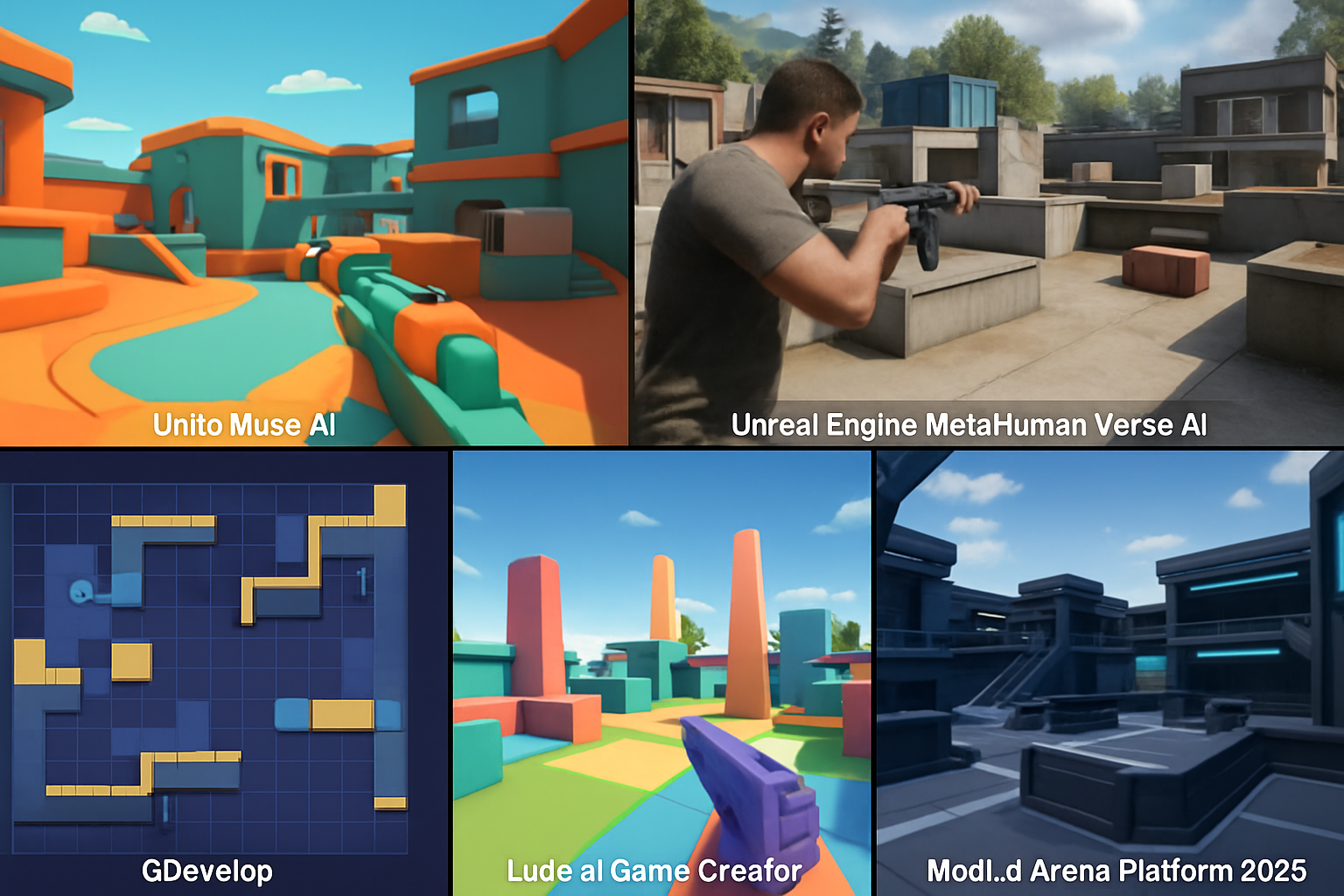
The surge in AI game engines 2025 is not just about speed. It’s about lowering barriers for aspiring developers, educators, hobbyists, and even professional studios looking to prototype quickly. The top five platforms leading this charge are:
- Unity with Muse AI
- Unreal Engine with MetaHuman and Verse AI Tools
- GDevelop (AI-Powered No-Code Game Engine)
- Ludo. ai Game Creator
- Modl. ai Arena Platform
This curated list represents the cutting edge of accessible, scalable multiplayer game creation. Each solution brings unique capabilities to the table, but all share a common philosophy: empower users to build competitive AI-driven games without deep technical expertise.
Breaking Down the Top AI Game Engines for Multiplayer Arenas
Unity with Muse AI remains a pillar in the industry, now supercharged by Muse AI’s generative abilities. Developers can describe their vision in natural language prompts and see environments, NPCs, and core mechanics materialize instantly. Unity’s robust networking stack means multiplayer logic is handled seamlessly – Muse AI fills in the creative gaps by generating assets, rulesets, and even balancing suggestions on the fly.
Unreal Engine with MetaHuman and Verse AI Tools brings cinematic realism into reach for everyone. MetaHuman enables instant creation of lifelike avatars that populate arenas with believable opponents or teammates. Paired with Verse’s advanced scripting powered by large language models, designers can orchestrate complex arena events or adaptive challenges without writing traditional code.
GDevelop (AI-Powered No-Code Game Engine) stands out as the most approachable platform for non-programmers. Its drag-and-drop interface allows users to assemble multiplayer arenas visually while embedded generative AI scripts handle everything from enemy logic to dynamic level design. GDevelop’s integrated cloud publishing means your arena can be live across web or mobile within minutes.
No-Code Revolution: Ludo. ai and Modl. ai Bring Competitive Play to All
If rapid prototyping is your goal or you want to test out wild ideas before investing heavily in development time, Ludo. ai Game Creator delivers an unmatched experience. Its prompt-based system lets you define genre, objectives, and desired difficulty; Ludo. ai then generates fully-playable prototypes complete with scoring systems and matchmaking logic tailored for competitive play.
The Modl. ai Arena Platform, meanwhile, specializes in training custom bots that adapt to player strategies within your arena – perfect for those seeking true replayability or wanting to host tournaments where human players face off against evolving AI opponents. Modl. ai’s cloud infrastructure ensures scalability whether your arena hosts ten players or thousands simultaneously.
This new generation of platforms is not just transforming how games are made; they’re reshaping who gets to make them – and how quickly those visions can reach players around the world.
Beyond speed and accessibility, these AI-powered game engines are fundamentally changing the creative process. By abstracting away technical hurdles, creators can focus on gameplay, narrative, and competition. The result? Multiplayer arenas that are more diverse, experimental, and responsive to player feedback than ever before.
From Idea to Arena: Real-World Use Cases
Consider an educator using GDevelop’s no-code platform to build a multiplayer logic puzzle for students, no programming experience required. Or an indie developer leveraging Ludo. ai Game Creator to prototype dozens of competitive arena concepts in a single afternoon. Even established studios are integrating Muse AI in Unity or MetaHuman/Verse AI Tools in Unreal Engine to accelerate production schedules and iterate on live games with real-time content generation.
Modl. ai Arena Platform, meanwhile, is gaining traction among esports organizers and AI researchers alike. Its ability to deploy adaptive bots at scale opens doors for new tournament formats, machine learning research, and public-facing AI competitions. This convergence of creativity and computation is fueling a surge in unique multiplayer experiences that would have been prohibitively complex just a few years ago.
Top 5 AI Game Engines for Multiplayer Arenas (2025)
-
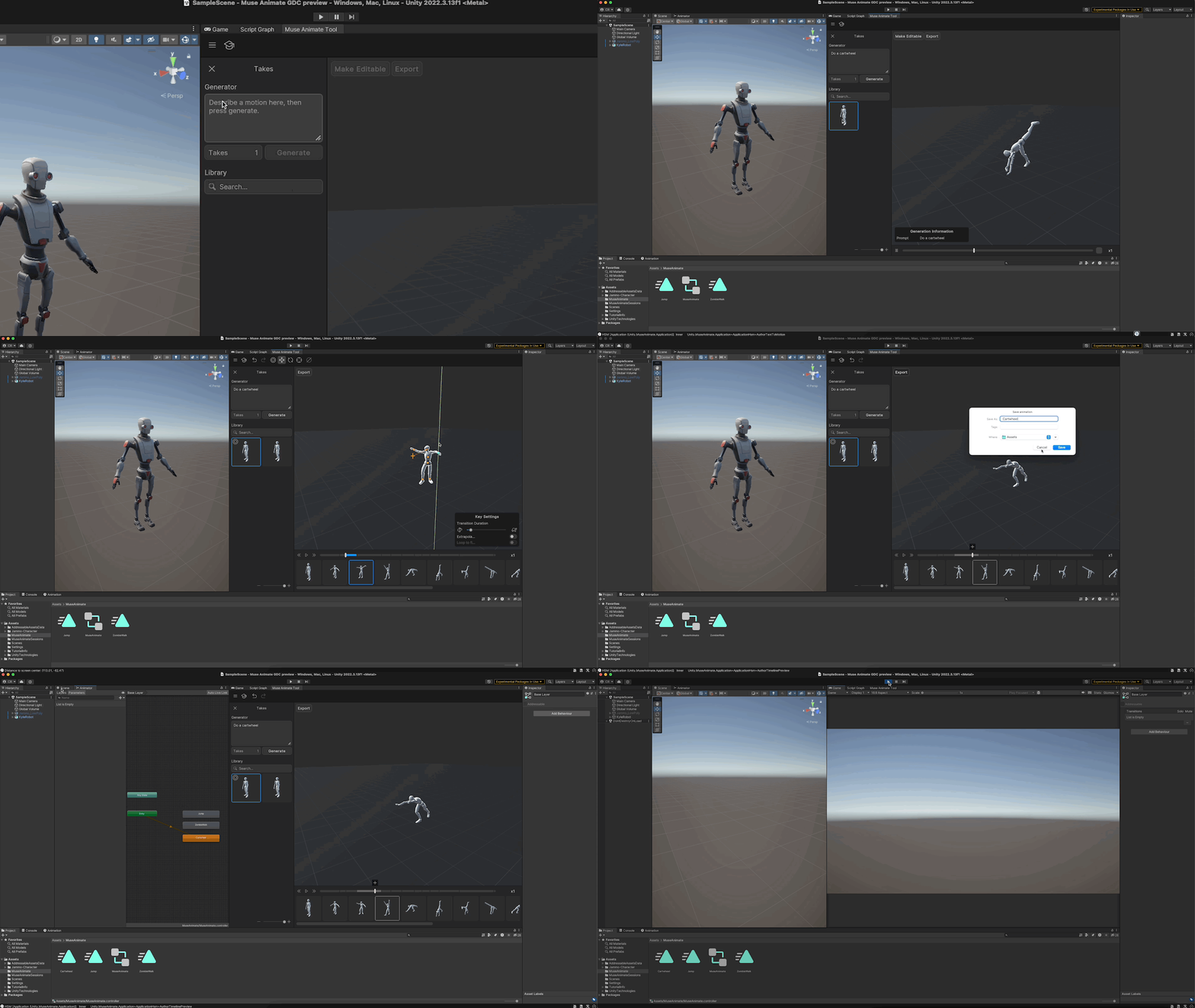
Unity with Muse AI: Unity’s 2025 platform integrates Muse AI, enabling rapid, no-code multiplayer arena creation. Muse AI leverages generative models for instant environment design, NPC behaviors, and real-time collaboration, making it ideal for both professionals and hobbyists.
-

Unreal Engine with MetaHuman & Verse AI Tools: Unreal Engine 5.4 combines MetaHuman for realistic character creation and Verse AI Tools for procedural world generation. This suite empowers developers to build immersive, AI-driven multiplayer arenas with high-fidelity graphics and intelligent NPCs.
-
GDevelop (AI-Powered No-Code Game Engine): GDevelop is a leading open-source, no-code engine with integrated AI features. Its intuitive interface and multiplayer templates allow anyone to launch AI-enhanced arenas in minutes, supporting 2D, 3D, and cross-platform deployment.
-
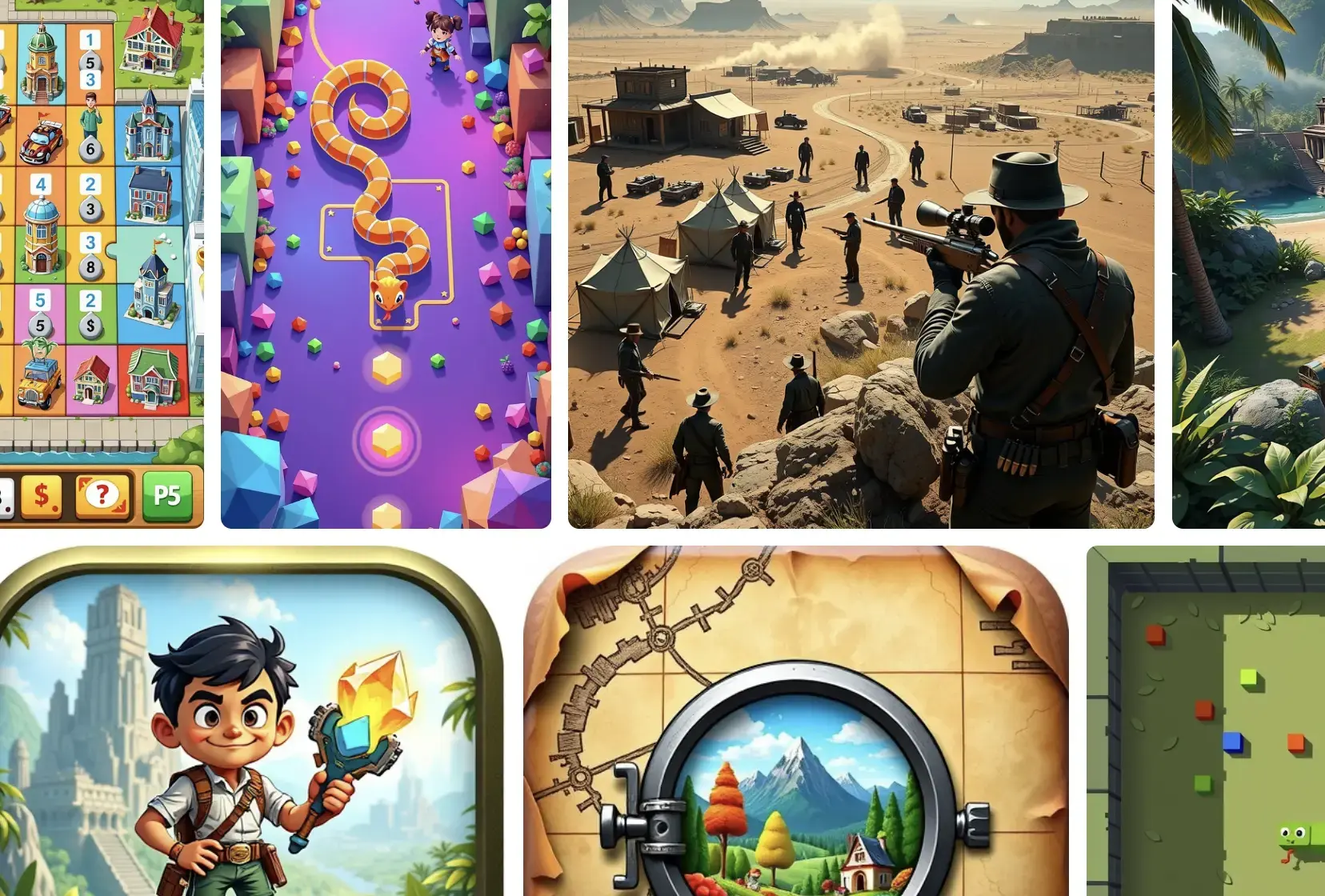
Ludo.ai Game Creator: Ludo.ai offers an AI-driven platform that automates game ideation, design, and prototyping. Its Game Creator tool streamlines multiplayer arena development, suggesting mechanics and assets tailored to user prompts for fast, creative iteration.
-
Modl.ai Arena Platform: Modl.ai specializes in AI-powered testing, NPC creation, and procedural content generation. Its Arena Platform provides robust tools for building, simulating, and deploying multiplayer arenas, reducing development time and enhancing player experience.
What Sets These Platforms Apart?
The standout feature of these platforms is their seamless integration of generative AI with multiplayer infrastructure. For example:
- Muse AI (Unity): Instantly generates balanced arenas based on player skill levels and preferred play styles.
- MetaHuman (Unreal): Creates lifelike competitors for immersive PvP or co-op play.
- Ludo. ai and GDevelop: Democratize design by letting anyone shape rulesets or environments through simple prompts or visual tools.
- Modl. ai Arena Platform: Empowers users to train bots that learn from real matches, driving both challenge and longevity.
This synergy means developers can launch playable prototypes within minutes, then refine mechanics, visuals, or matchmaking based on real-world data collected from early players. Continuous iteration is now the norm rather than the exception.
The Impact: Accessibility, Innovation, Community Growth
The rise of these platforms has produced a virtuous cycle: as more people create arenas using intuitive tools like GDevelop or Ludo. ai, community-driven innovation accelerates. User-generated tournaments powered by Modl. ai bots or Unity/Unreal’s advanced networking are now commonplace. The boundaries between developer and player are blurring; competitive gaming in 2025 is collaborative by design.
If you’re interested in how multi-agent systems underpin this transformation, or want a step-by-step guide to building your own playable game with AI, explore our resources on multi-agent AI systems in game creation or follow our detailed walkthrough for building games with AI in under an hour.
Looking Forward: Competitive Gaming Without Barriers
The implications for the future of competitive gaming are profound. No-code and low-code platforms anchored by generative AI mean anyone can launch an arena where human ingenuity meets machine intelligence, whether they’re designing a quick weekend project or building the next viral esports title. As these tools continue to mature, expect even greater innovation at the intersection of accessibility and complexity.
About the Author