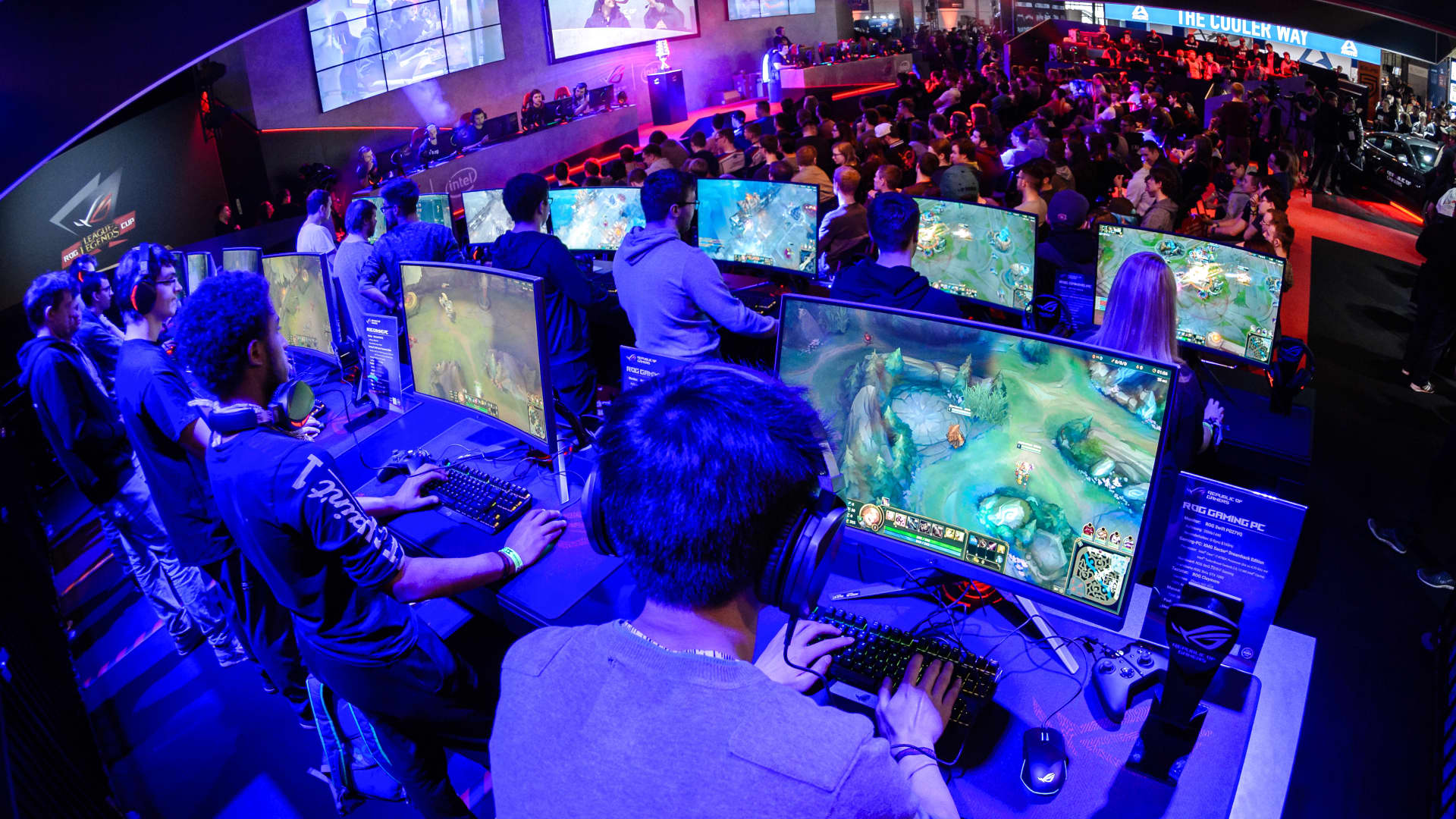


It’s 2025, and the landscape of multiplayer game development is nearly unrecognizable compared to just a few years ago. AI-powered game engines are not only accelerating creation but also democratizing who can build and deploy complex multiplayer experiences. The result? Instant multiplayer game creation is now accessible to hobbyists, indie studios, and even those with zero coding experience.

The Rise of No-Code, AI-Driven Game Engines
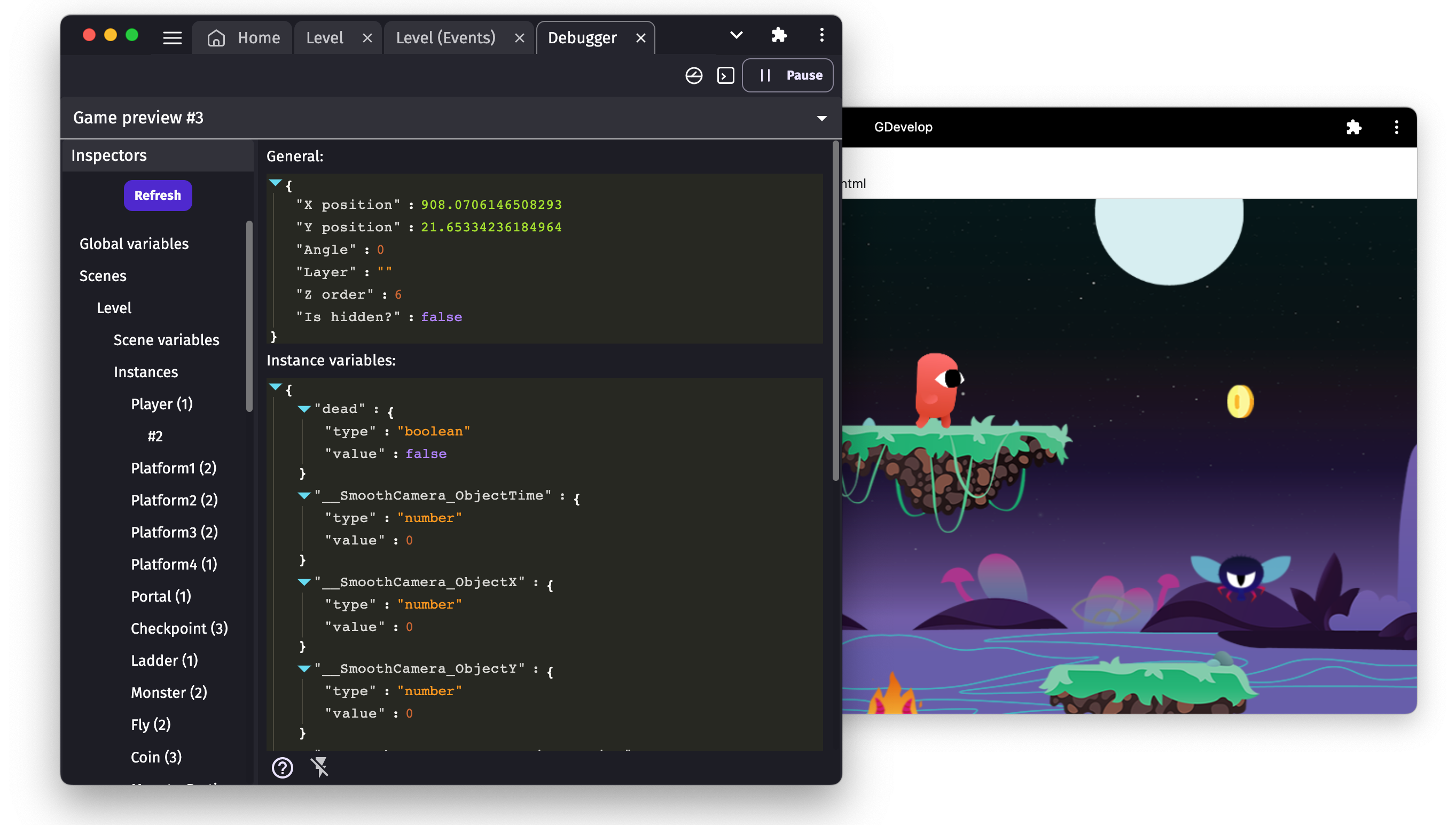
The surge in popularity of engines like GDevelop, Rosebud AI, and MANU Video Game Maker is a defining trend in 2025. These platforms combine no-code interfaces with advanced generative AI, enabling users to describe their game ideas in plain language. The AI interprets these prompts and instantly generates everything from environments to gameplay mechanics. GDevelop, for example, has become a favorite for its open-source ethos and seamless publishing to iOS, Android, Steam, and web platforms.
This shift isn’t just about speed; it’s about lowering the barrier of entry. Now anyone can prototype a full-featured multiplayer game in hours rather than months. As one Reddit user put it when recommending GDevelop: “It’s the most intuitive and beginner-friendly visual scripting engine out there, and it’s mostly free. ” The combination of affordability and accessibility is reshaping how creative talent enters the industry.
Generative AI: From Idea to Multiplayer Reality
The heart of this revolution lies in generative AI models. Platforms such as AI GameBuilder interpret simple descriptions, like “a neon-lit cyberpunk battle royale with cooperative quests”: and synthesize entire worlds on the fly. This includes dynamic environments, animated characters, storylines, assets, and even balanced gameplay mechanics. Users can then tweak these elements through drag-and-drop editors or further refine them with additional prompts.
This workflow doesn’t just speed up development; it fundamentally changes what’s possible for small teams or solo creators. Multiplayer functionalities that once required networking expertise are now handled by cloud-based backends integrated with AI-driven features. Google Cloud’s Gemini models are powering scalable real-time servers that support instant matchmaking, personalized player guidance, and even live chat moderation, all without manual intervention from the developer.
AI Companions: Redefining Solo Play and Team Dynamics
The impact of AI isn’t limited to world-building or rapid prototyping, it’s transforming in-game social dynamics too. Take PUBG’s recent introduction of “PUBG Ally, ” powered by NVIDIA’s Avatar Cloud Engine (ACE). These squadmates don’t just follow scripted behaviors; they understand both voice and text commands, react intelligently to evolving scenarios, drive vehicles, share loot, and engage with enemies much like real human teammates would.
This leap forward means that solo players aren’t left behind in multiplayer titles, and new players have adaptive companions who help flatten the learning curve. The technology behind these NPCs leverages real-time language understanding and decision-making models previously reserved for research labs or AAA studios.
Open-Source Tools Fueling Creative Freedom
NVIDIA’s decision to open-source its Audio2Face technology marks another milestone for indie creators and established studios alike. By translating speech into nuanced facial animations using generative AI, and packaging this into an SDK compatible with engines like Unreal 5, developers now have free access to tools for building expressive digital characters at scale.
This democratization isn’t just technical; it changes storytelling itself. Games can now feature more believable dialogue scenes or virtual interactions without massive animation budgets or teams of specialists.
Academic research is also pushing the boundaries of what’s possible in multiplayer worlds. Projects like Infinitia are pioneering the use of generative language and image models to create infinitely mutable game spaces. Players can reshape environments and NPC personalities on demand, introducing true non-determinism and emergent gameplay into the multiplayer experience. This level of adaptability, once only imagined in science fiction, makes each session unique, fostering creativity and collaboration among players as well as developers.
Instant Multiplayer: From Concept to Live Arena
The real magic of 2025’s AI-powered game engines is their ability to collapse the gap between idea and execution. With cloud-based deployment and instant scalability, creators can push live updates or even launch entirely new multiplayer arenas with a few clicks. AI handles everything from procedural map generation to balancing player matchmaking, while also analyzing player data in real time to suggest improvements or surface novel gameplay modes.
This isn’t just speeding up iteration, it’s shifting the entire lifecycle of a game. Indie studios can test concepts with real players almost immediately, gather feedback, and pivot without incurring massive costs or technical debt. For competitive gaming communities, this means fresh content drops, seasonal events, and experimental mechanics arrive at a pace that would have been impossible just a few years ago.
No-Code Meets Pro-Level Customization
The convergence of no-code platforms with sophisticated AI has blurred the line between hobbyist tools and professional-grade engines. While platforms like Construct 3 and GameMaker Studio 2 continue to cater to beginners with browser-based editors and drag-and-drop logic, they now offer advanced AI integrations for those seeking deeper control. Developers can start with natural language prompts but dive into code or custom scripts as their ambitions grow, creating a smooth learning curve from novice experiments to polished commercial releases.
This hybrid approach is especially powerful for small teams looking to punch above their weight in the multiplayer market. By leveraging AI for asset creation, procedural content generation, live operations analytics, and even marketing materials (with tools like Ludo. ai), studios can focus resources on creative differentiation rather than technical grunt work.
A New Era for Indie Game Development
The implications for indie creators are profound. The cost barriers that once kept ambitious multiplayer projects out of reach have crumbled thanks to free or freemium access models adopted by most leading engines. With open-source libraries like NVIDIA’s Audio2Face now widely available, even solo developers can craft experiences with AAA-level polish, from expressive characters to seamless online play.
At its core, this shift is about empowerment. Whether you’re building your first arena battler or experimenting with collaborative storytelling worlds powered by generative models, today’s tools let anyone turn imagination into reality at unprecedented speed, and often at little to no upfront cost.
Top No-Code AI Game Engines for Instant Multiplayer (2025)
-
GDevelop: An open-source, no-code, and AI-powered engine for creating 2D, 3D, and multiplayer games. Its intuitive interface and robust AI tools let users build, test, and publish games across platforms without coding.
-
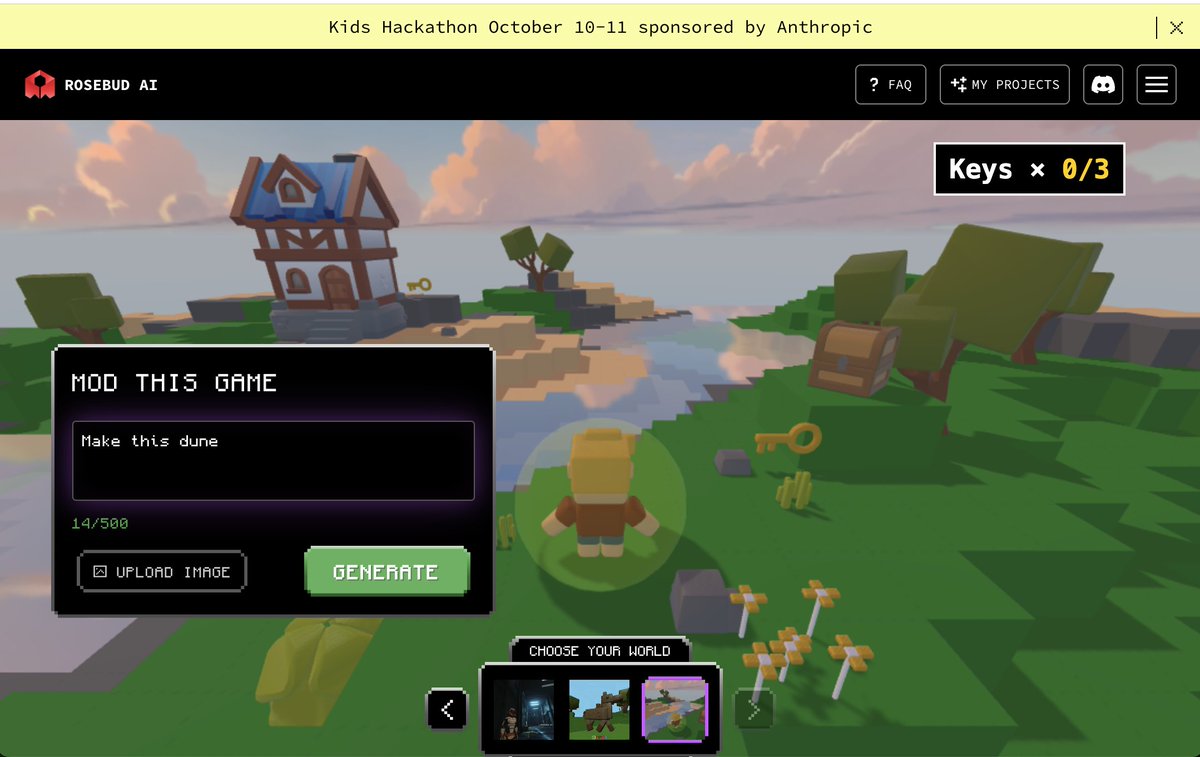
Rosebud AI: Enables creation and instant deployment of 3D games and virtual worlds using simple prompts. Its AI-driven workflow streamlines multiplayer game development for creators of all skill levels.
-
MANU Video Game Maker: A revolutionary no-code engine leveraging AI to build 2D and 3D games rapidly. Its drag-and-drop editor and AI automation make multiplayer game creation accessible to everyone.
-
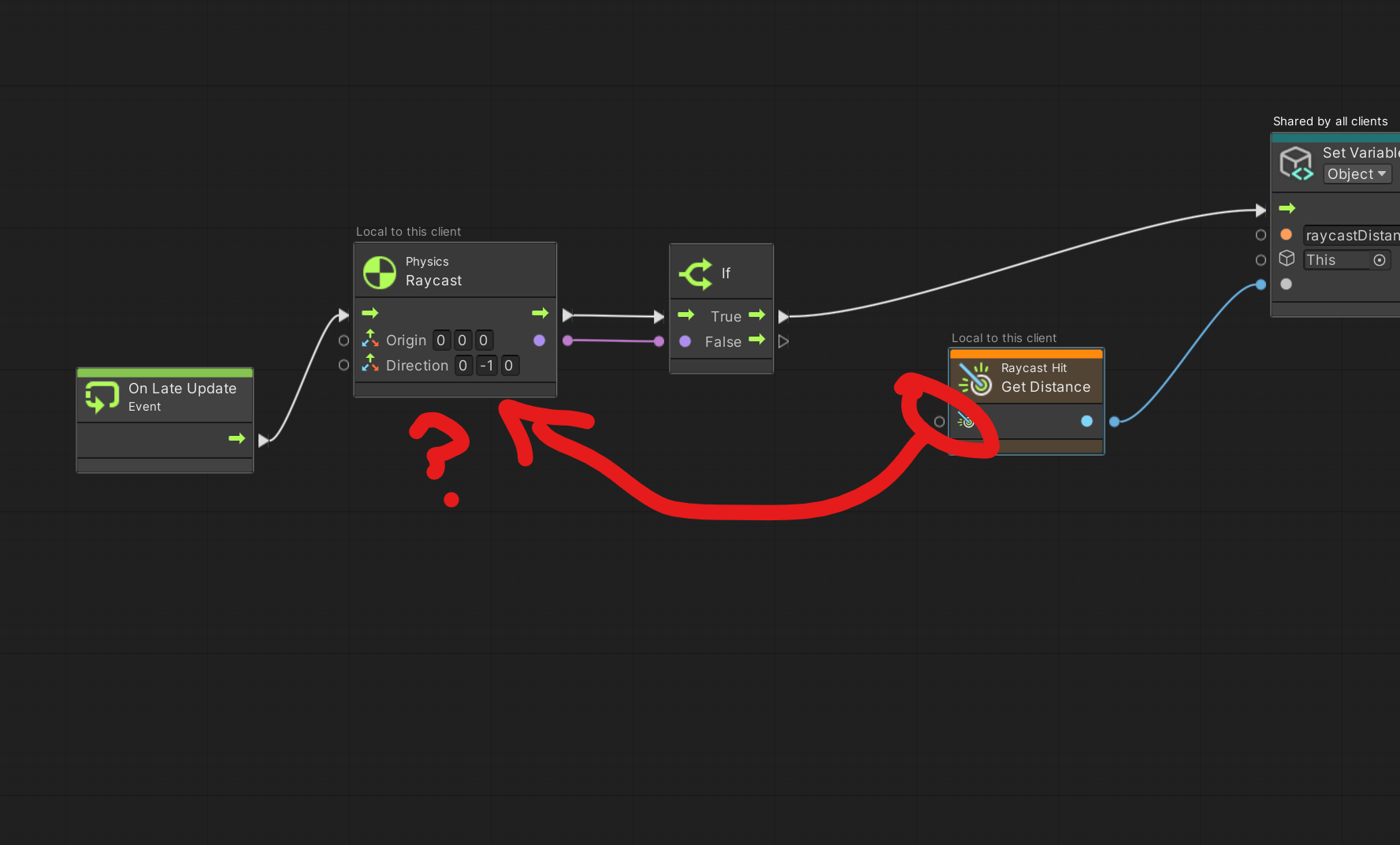
Unity (Visual Scripting & AI Tools): While known for its professional-grade engine, Unity now offers robust no-code development via visual scripting and integrated AI features, enabling instant multiplayer prototyping and deployment.
-
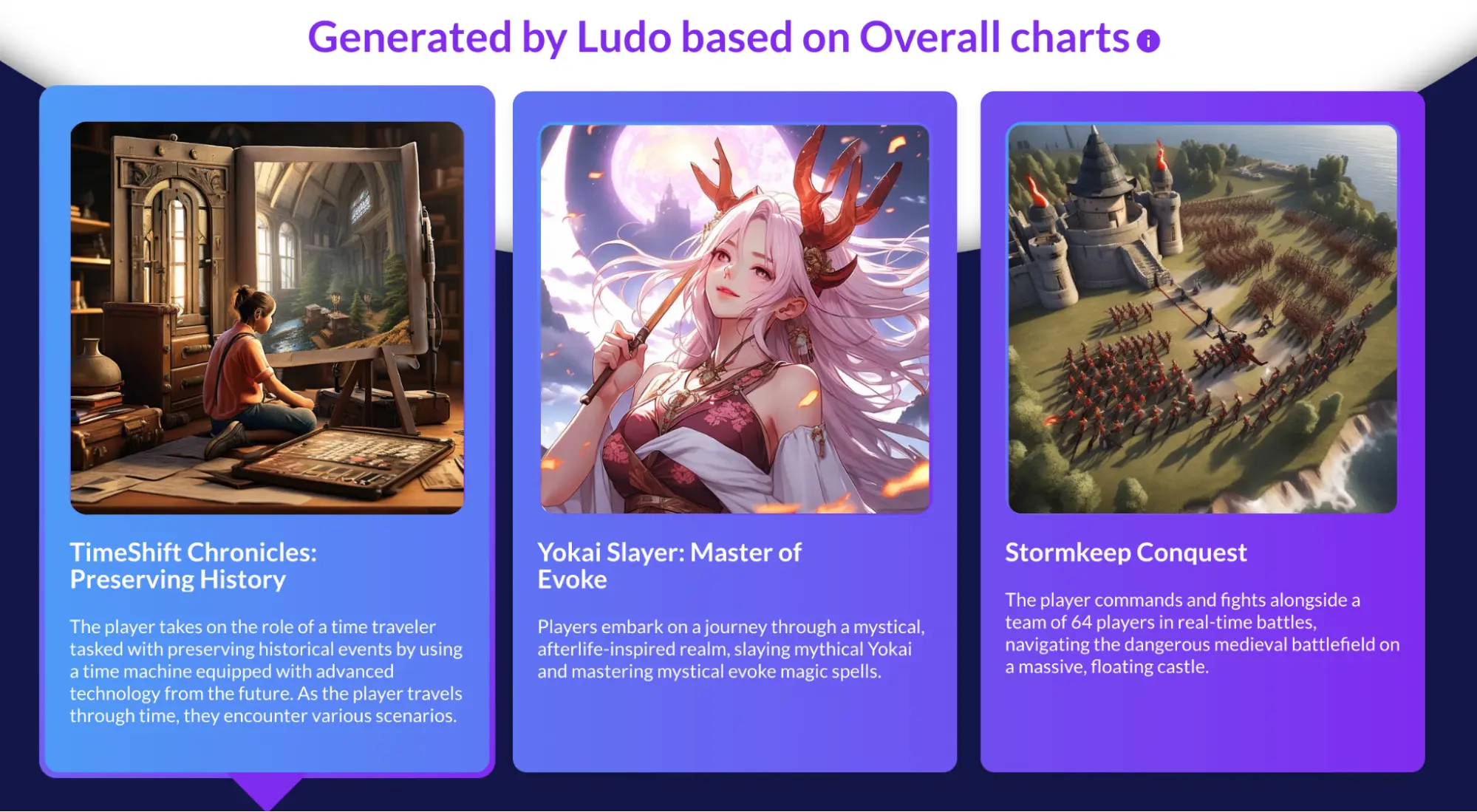
Ludo.ai: Focused on AI-driven game design, Ludo.ai generates concepts, assets, and prototypes with minimal input. Its tools facilitate rapid multiplayer game creation and market analysis.
-
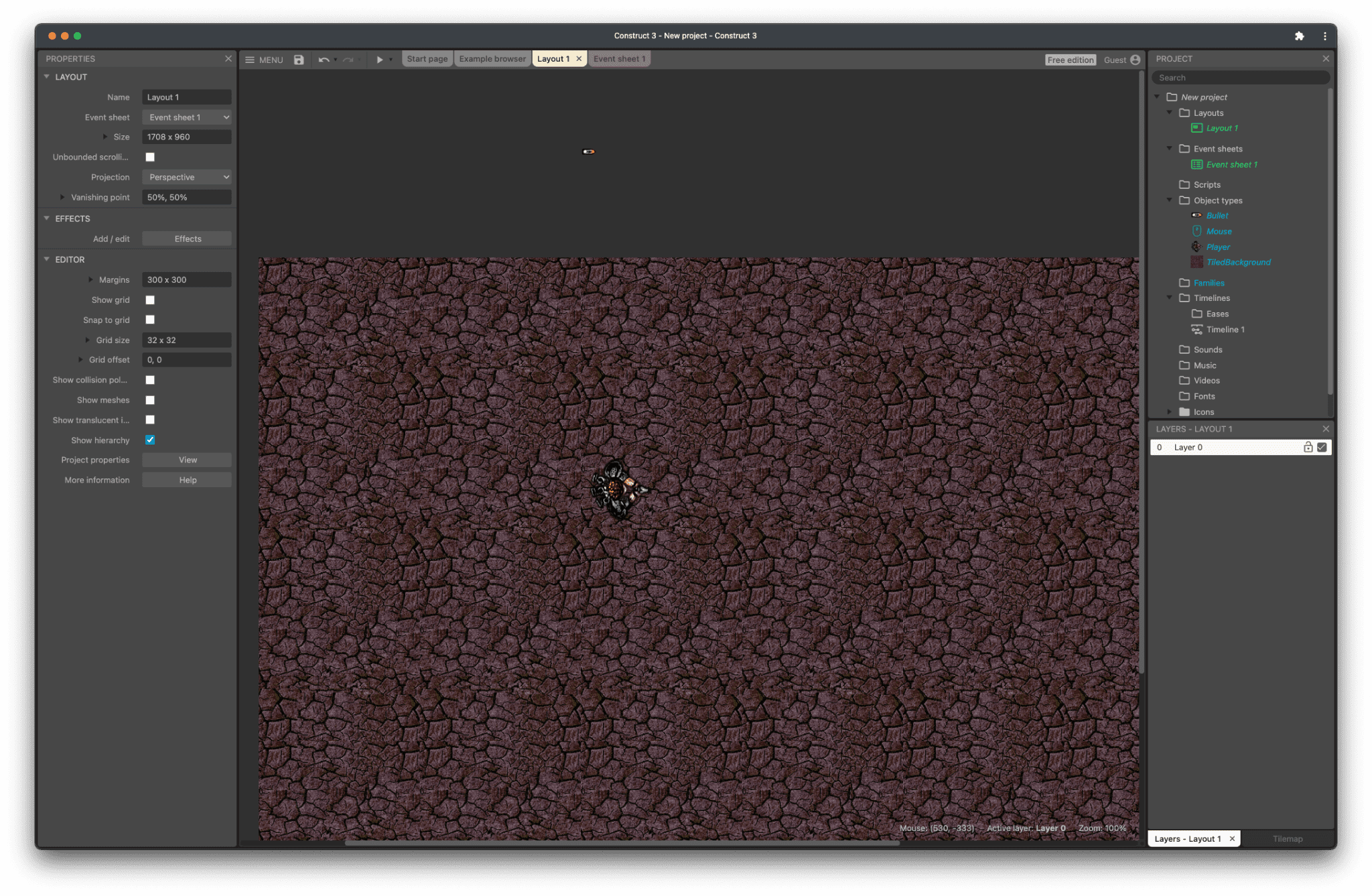
Construct 3: A browser-based, no-code engine with growing AI integration, Construct 3 makes it easy to build and share multiplayer games instantly, supporting both 2D and simple 3D experiences.
The competitive landscape will continue evolving as more creators leverage these advances. For those interested in how multi-agent AI systems further push these boundaries, enabling dynamic team behavior and emergent strategy, see our deep dive at How Multi-Agent AI Systems Are Revolutionizing Game Creation in 2025.
This is not just an incremental improvement; it’s a paradigm shift toward open participation and rapid innovation in gaming arenas worldwide. As generative AI matures alongside cloud infrastructure and open-source collaboration, expect multiplayer games, and those who make them, to become more diverse, dynamic, and surprising than ever before.
About the Author