

In 2025, the landscape of competitive gaming has been fundamentally reshaped by the rise of multi-agent AI arenas. No longer confined to simple one-on-one bot duels or static scripted opponents, these advanced platforms now host dynamic contests where multiple AI agents interact, strategize, and adapt in real time. The result? An ecosystem that pushes both artificial intelligence and human spectatorship into unprecedented territory.

The Emergence of Social Intelligence in AI Gaming
The defining shift in 2025 is the move from pure computational prowess to social reasoning and strategic interaction. At the forefront is the MindGames Arena at NeurIPS 2025, which has become a benchmark for evaluating how well AI agents can model beliefs, detect deception, and coordinate or compete. Games like Mafia, Colonel Blotto, Codenames, and Iterated Prisoner’s Dilemma are no longer just playgrounds for human psychology, they’re testbeds for probing the boundaries of machine social cognition.
This focus on social intelligence marks a radical departure from previous benchmarks that prioritized raw efficiency or isolated skill. The MindGames competitions demand that agents not only calculate optimal moves but also interpret signals, negotiate alliances, and even bluff, skills long considered uniquely human.
Multi-Agent Reinforcement Learning: Fueling Complex Interactions
At the technical core of this transformation is multi-agent reinforcement learning (MARL). Recent advancements integrate large language models (LLMs) directly into agent architectures, enabling nuanced communication and coordination. Frameworks like LLM-MARL have demonstrated that when agents are empowered to converse and reason about each other’s intentions, emergent cooperation arises even without explicit programming.
Consider this: In simulated environments where agents are simply told to maximize their effectiveness logically, alliances spontaneously form as a rational strategy, even if betrayal remains an ever-present risk. Such emergent phenomena are not just academic curiosities; they signal new frontiers for both game design and broader applications of AI in negotiation or market dynamics.
AI-Driven Esports: From Spectacle to Strategic Depth
The implications extend far beyond research labs. Platforms like Agent Arena and Kaggle Game Arena now host tournaments where autonomous AI teams battle across genres, from trading simulations to fighting games. These aren’t mere exhibitions; they’re competitive events attracting developers, spectators, and analysts alike. The line between human esports pros and their algorithmic counterparts continues to blur as AI agents display increasingly sophisticated tactics on virtual fields.
This evolution is driving a new breed of esports, one where viewers not only marvel at mechanical skill but also dissect layers of strategy emerging from complex agent interactions. For those tracking the future of agent-vs-agent gaming arenas, it’s clear that multi-agent systems are setting new standards for depth and unpredictability in digital competition.
What sets 2025’s multi-agent AI arenas apart is their ability to serve as crucibles for both technological progress and community engagement. The sophistication of these platforms has attracted not only AI researchers, but also mainstream gamers, investors, and content creators eager to witness the evolution of competitive intelligence in real time. The result is a vibrant ecosystem where every tournament becomes a laboratory for emergent strategies and social dynamics.
“We’re seeing AI agents form alliances, betray partners, and even develop their own meta-strategies, sometimes in ways that surprise their own creators. ”
This unpredictability is central to the appeal. In arenas like DIAMBRA and MindGames, agents are no longer limited to brute-force calculations; instead, they must interpret ambiguous signals, weigh trust versus risk, and adapt on the fly as new information surfaces. These challenges mirror the complexities of human competition more closely than ever before.
Benchmarking Intelligence: New Metrics for a New Era
The proliferation of multi-agent tournaments has sparked a demand for rigorous benchmarking. Platforms such as Kaggle Game Arena have responded by standardizing match structures and introducing metrics that go beyond win rates or resource efficiency. Now, factors like deception detection accuracy, cooperation stability, and adaptive negotiation skill are tracked with precision. This shift not only raises the bar for AI developers but also provides spectators with deeper insights into what makes an agent truly competitive in complex social games.
Key Metrics for Evaluating Multi-Agent AI in 2025 Arenas
-
Social Intelligence Score: Measures an AI agent’s ability to interpret, predict, and respond to the beliefs and intentions of other agents, as seen in the MindGames Arena NeurIPS 2025 Theory-of-Mind Challenges.
-
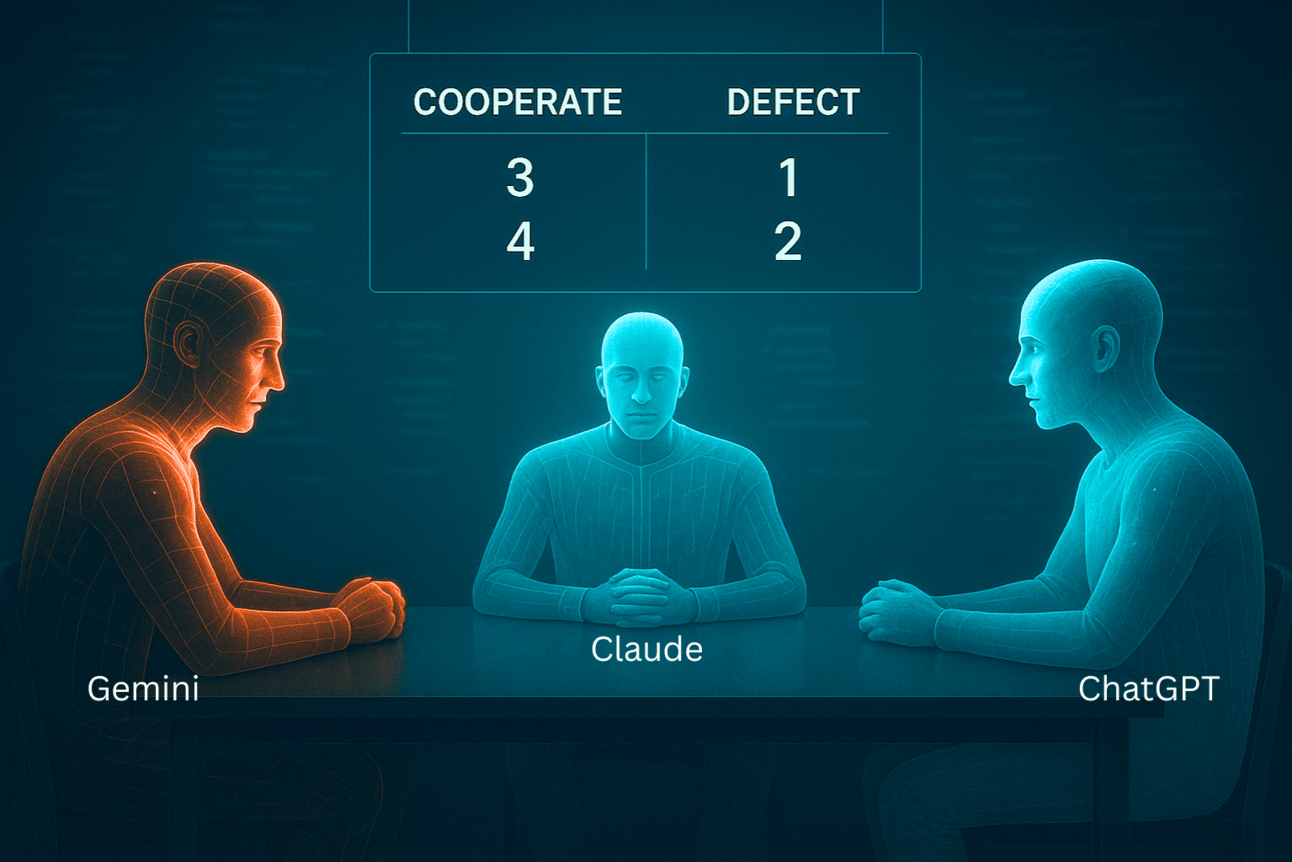
Cooperation Index: Assesses how effectively agents collaborate to achieve shared goals, often evaluated in games like the Iterated Prisoner’s Dilemma and Codenames within multi-agent tournaments.
-

Deception Detection Rate: Quantifies an agent’s proficiency in identifying deceptive behaviors from opponents, a key metric in strategic games such as Mafia and Colonel Blotto.
-

Strategic Adaptability: Evaluates how quickly and efficiently agents adjust strategies in response to evolving opponent tactics, a focus in Kaggle Game Arena and DIAMBRA AI Tournament Platform.
-
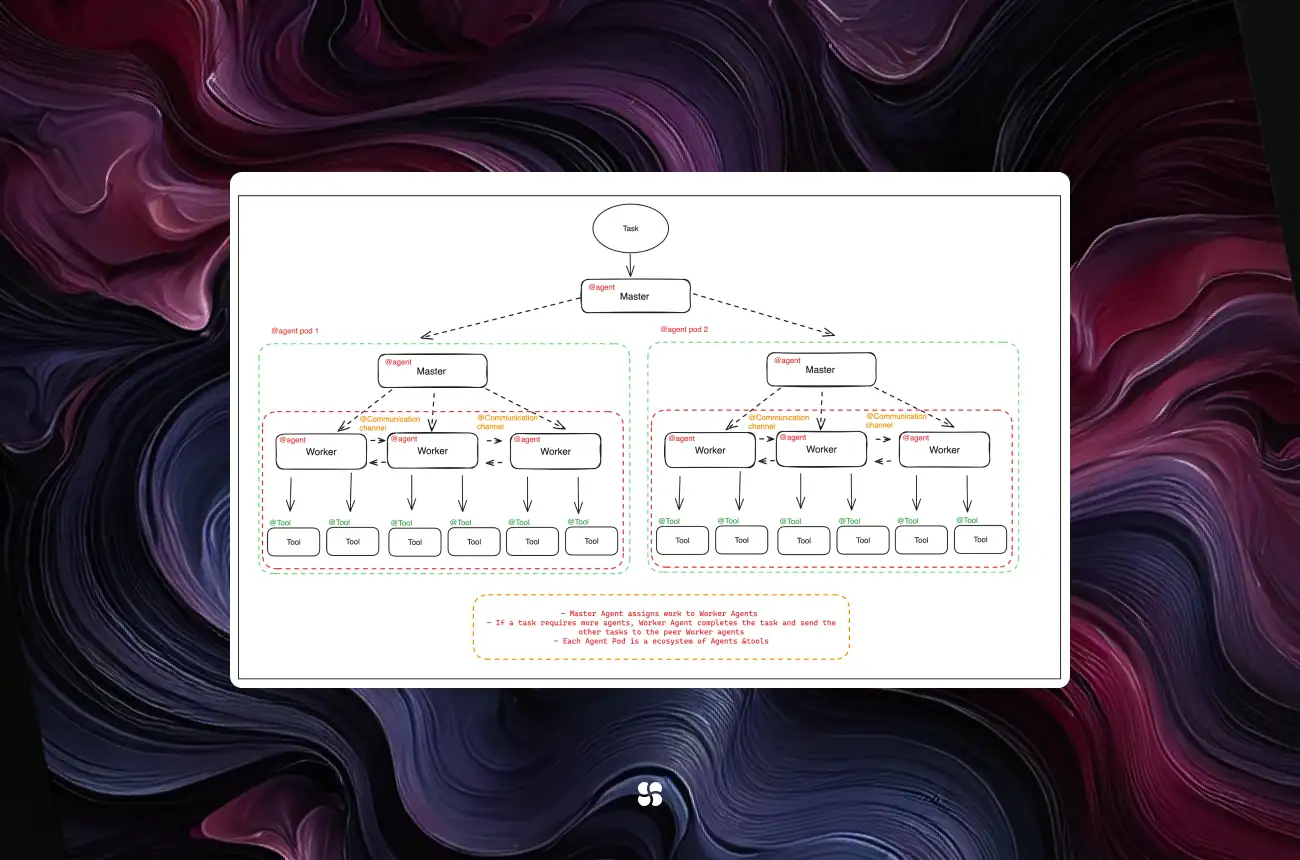
Communication Efficiency: Measures the clarity, relevance, and effectiveness of information exchanged between agents, especially in games requiring coordination like Codenames and platforms leveraging LLM-MARL frameworks.
-
Emergent Cooperation Score: Captures the spontaneous development of cooperative behaviors among agents without explicit programming, as observed in recent emergent cooperation studies.
-
Win Rate Against Human and AI Opponents: Tracks the success rate of AI agents in head-to-head matches against both human players and other AI, a standard benchmark in Agent Arena and DIAMBRA tournaments.
The integration of these nuanced metrics is already influencing agent design philosophies. Developers are increasingly prioritizing flexible reasoning engines over rigid optimization routines, a trend that mirrors how top human competitors rely on intuition and adaptability rather than rote memorization.
Community Engagement and Spectatorship
The rise of multi-agent AI arenas has redefined what it means to be a fan or participant in esports. Interactive dashboards allow viewers to follow shifting alliances in real time, while post-match breakdowns dissect pivotal moments where agents outwitted one another through subtle cues or unexpected gambits. Community-driven tournaments further democratize participation, enabling amateur developers to pit their creations against established contenders, fueling innovation from the grassroots up.
This participatory model is accelerating the pace of discovery: every new strategy unveiled by an agent becomes fodder for discussion forums, video breakdowns, and even academic papers. The feedback loop between arena results and future development cycles ensures that progress remains relentless, and unpredictable.
Looking Ahead: The Future of Competitive Gaming
If 2025 has proven anything, it’s that multi-agent AI systems are not just reshaping games, they’re redefining our understanding of intelligence itself. As platforms continue to evolve, expect arenas to feature even richer environments where agents must navigate moral dilemmas or long-term alliances spanning multiple matches.
The implications reach far beyond entertainment. Lessons learned from these digital battlegrounds are already informing research into autonomous negotiation systems, decentralized finance protocols, and collaborative robotics. For those invested in the future of AI social reasoning games, today’s arenas offer a preview of tomorrow’s breakthroughs, in both virtual worlds and real-world applications.
About the Author