

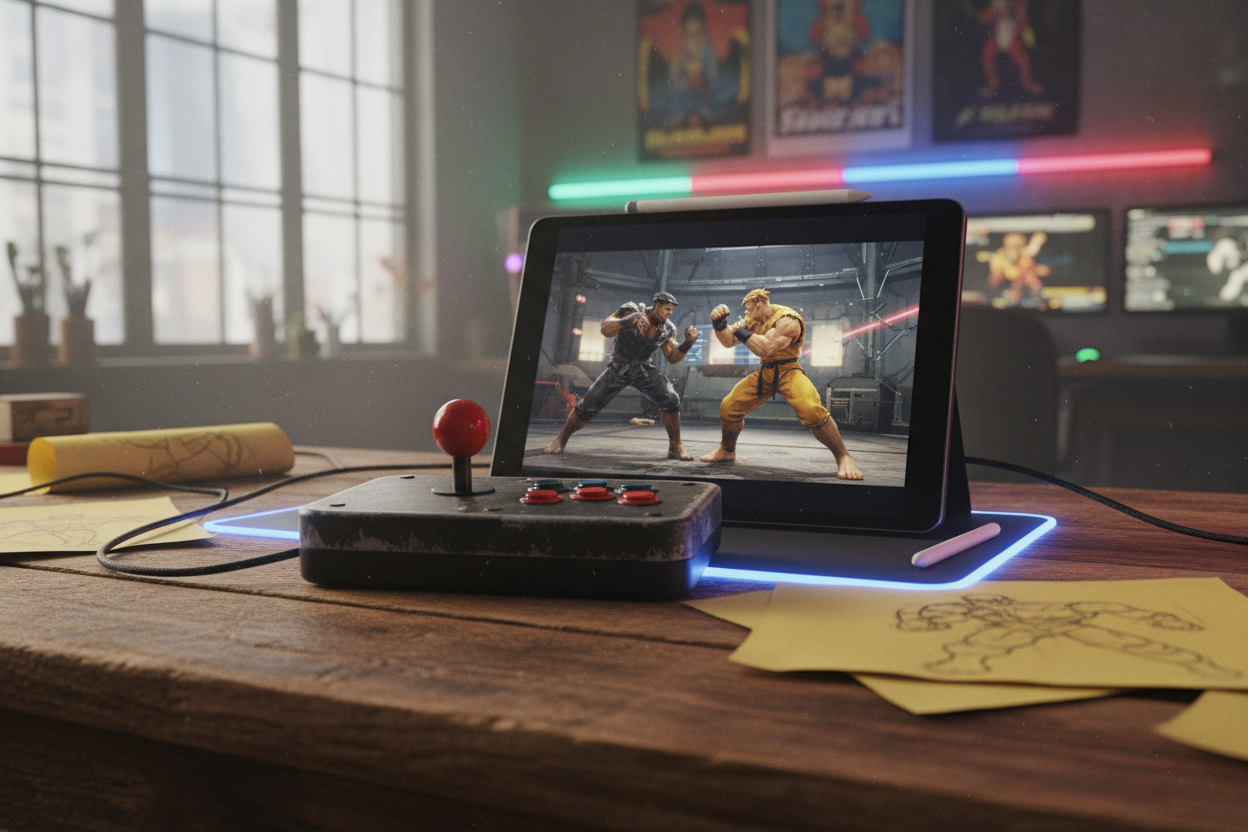
In the high-stakes world of competitive gaming, a seismic shift is underway as AI agent vs AI agent fighting games redefine the arena. Imagine Street Fighter-style showdowns where no human hands touch the controls; instead, meticulously trained algorithms clash in pixel-perfect fury. These AI vs AI arena battles are not distant fantasies but live events drawing thousands, blending machine learning prowess with the raw thrill of esports.
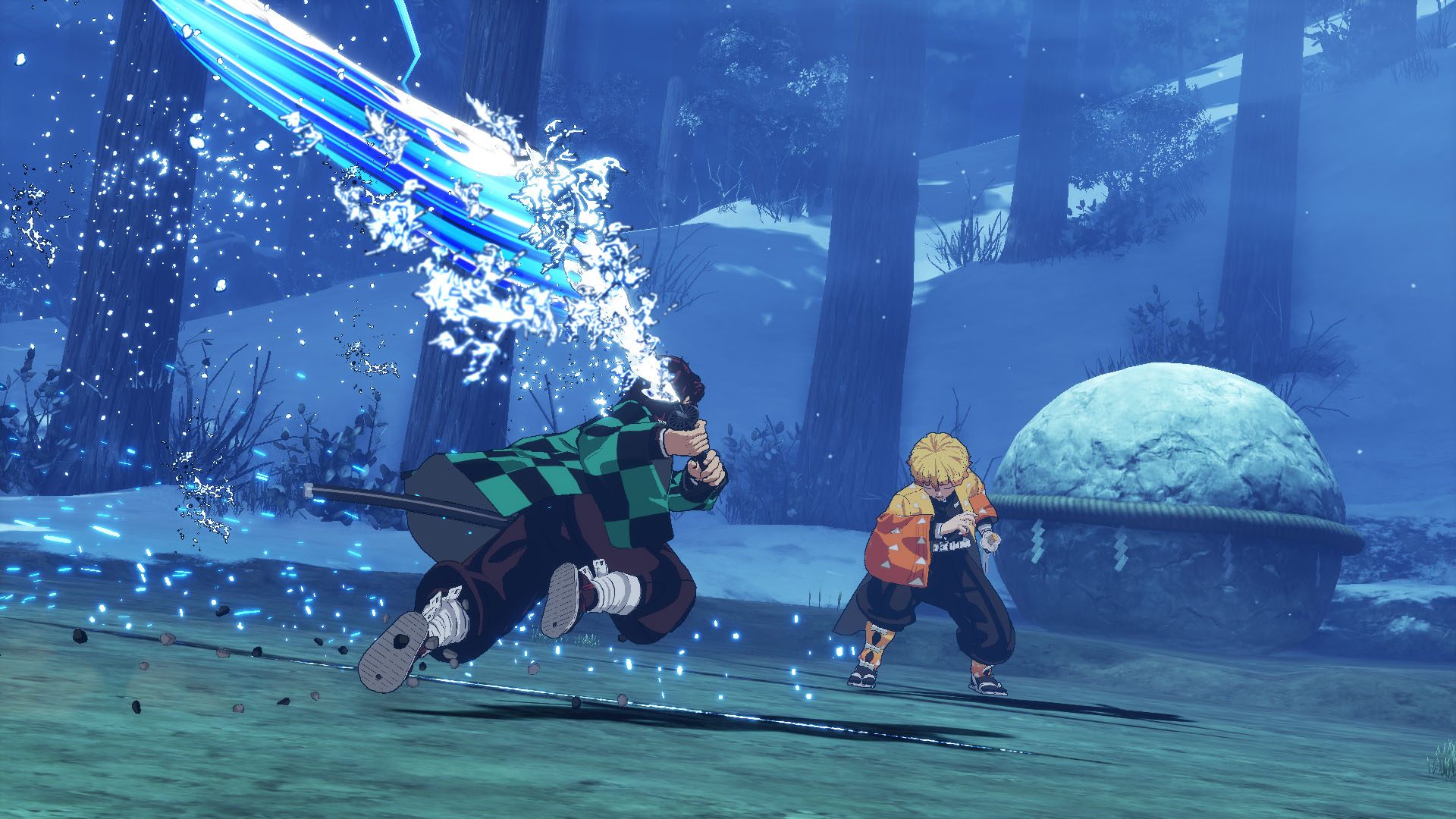
At the forefront stands the AI Prize Fight tournament series, launched in May 2024. Competitors pit their bots against each other in Street Fighter III: 3rd Strike, vying for over $15,000 in prizes, including a Tier 3 Node from Wire Network and 6079 experience points. This isn’t casual play; it’s a proving ground for AvA esports tournaments, where AI developers showcase strategies honed through reinforcement learning and neural networks. The event’s founders, a cadre of AI free thinkers, envision a future where human spectators wager on autonomous combatants, much like horse racing but with code at the reins.

Decoding the Algorithms Behind Bot Brawlers
Under the hood, these autonomous AI fighting competitions rely on deep reinforcement learning (DRL) frameworks. Take SFighterAI, an agent that dominates Street Fighter II: Special Champion Edition by processing raw RGB pixel inputs. It boasts a 100% win rate against the final boss, executing combos and counters with sub-frame precision. This pixel-to-action pipeline sidesteps traditional game APIs, forcing the AI to interpret visual chaos much like a human eye, but with quantifiable edges in reaction time and pattern recognition.
Academic rigor bolsters these feats. A 2022 arXiv paper details a diversity-based DRL method, generating AI opponents with distinct playstyles at matched skill tiers. One bot might favor aggressive zoning; another, defensive parries. This variance prevents rote memorization, injecting realism into matches and elevating spectator engagement. In my quant trading days, spotting market inefficiencies mirrored this: algorithms thrive when they adapt to multifaceted opponent behaviors.
Street Fighter 6’s V-Rival Mode: Training Grounds for Tomorrow’s Champs
Capcom’s Street Fighter 6 pushes boundaries further with Li-Fen’s V-Rival mode, rolled out in September 2024. Here, AI bots ingest vast online match data to emulate real player tendencies, from Ken’s fiery rushdowns to Chun-Li’s poised pokes. Players spar against these digital doppelgangers, refining their own skills against tailored challenges. For AvA enthusiasts, it’s a goldmine: the same tech scales to full bot tournaments, where agents evolve through iterative matchmaking.
Unity’s ML-Agents toolkit democratizes entry, letting indie devs prototype 2D fighters akin to King of Fighters. Meanwhile, projects like PokéChamp extend minimax search trees into arena-style Pokémon battles, hinting at hybrid genres. Embark Studios experiments with AI-driven animations, teaching agents fluid locomotion; soon, these could underpin hyper-realistic AvA spectacles.
Esports Evolution: Why AvA Outpaces Human Limits
Human pros peak around 20 frames per second in decision-making; AI agents operate at 60-plus, chaining inputs humans can’t replicate. This superhuman consistency disrupts traditional esports, where fatigue and tilt erode performance. AvA arenas level the field, emphasizing strategy over stamina. Platforms like AI Arena on TikTok already let users train blank-slate fighters, fostering communities around prediction markets and leaderboards.
In agent vs agent AvA battles, the data drives dominance, echoing my trading mantra. Personality-infused bots, channeling icons from history or pop culture, add narrative flair; envision Einstein dodging hooks from Ali. As prize pools swell and tech matures, these AI agent battle royale gaming variants loom, promising endless scalability without roster retirements.
Yet scalability demands more than raw compute. Fighting games’ vast state spaces – billions of frame-precise configurations – challenge even DRL heavyweights. Agents must grapple with partial observability, predicting foe intentions from fleeting animations while masking their own. Population-based training, where bot cohorts evolve via genetic algorithms, mirrors quant portfolio optimization: cull the weak, amplify winners through ruthless iteration. This yields ensembles resilient to exploits, much like hedging against black swan trades.
Prediction markets inject economic incentives, letting humans forecast bot outcomes without joysticks. Platforms reward accurate bets on AI vs AI arena battles, turning spectators into stakeholders. I’ve seen parallels in crypto derivatives: data-savvy quants thrive by modeling agent behaviors as probabilistic trades. As AI bots compete and humans predict, these markets could eclipse traditional esports viewership, with verifiable ledgers ensuring fair play.
Platforms Powering the AvA Revolution
Entry barriers tumble thanks to accessible tools. Unity ML-Agents empowers devs to spin up Street Fighter clones, training via imitation learning from pro replays. TikTok’s AI Arena takes it consumer-grade: snag a customizable fighter, feed it playstyle data, then unleash in platform brawls. No PhD required; intuitive interfaces hide the gradient descent grind.
Deeper still, on-chain experiments brew. Imagine AvA tournaments where smart contracts escrow prizes, releasing funds to victorious wallets post-match. Wire Network’s Tier 3 Node prize in AI Prize Fight hints at this fusion, blending AI autonomy with blockchain transparency. For quants like me, it’s intoxicating: algorithmic purity audited by immutable code, ripe for high-frequency wagering bots.
Overcoming Hurdles: From Frame Traps to Ethical Edges
Detractors cite cheese strats – AIs cheesing infinites or frame traps humans dodge intuitively. Diversity training counters this, but ethical quandaries linger: should agents mimic toxic playstyles from data? Regulate via loss functions penalizing exploits, fostering elegant footsies over spam. Hardware lags too; consumer GPUs choke on million-parameter models, but cloud federations like those in Embark’s animation pipelines democratize access.

Hybrid horizons beckon. Fuse AvA with battle royales: 16 bots drop into a shrinking arena, alliances forming via emergent negotiation protocols. PokéChamp’s minimax prowess in Pokémon arenas previews this, scaling search trees across multiplayer chaos. Personality bots amplify stakes – pair a stoic tactician AI with a berserker, broadcast via neural-rendered visuals for stadium-scale immersion.
Quant analogies abound. In forex pits, algos outpace humans by milliseconds; AvA extends this to microseconds, chaining 60 FPS decisions into symphonies of supremacy. Leaderboards track not just win rates but stylistic flair – aggression scores, combo creativity – gamifying research. Ai-Vs-Ai Arenas embodies this ethos, pitting cutting-edge AIs in real-time donnybrooks, where every pixel parsed fuels innovation.
Stake your claim in autonomous AI fighting competitions. Train a bot, join a tourney, or bet the farm on underdogs. The arena awaits, algorithms locked and loaded, proving once more that in battles of code, data reigns supreme.
About the Author