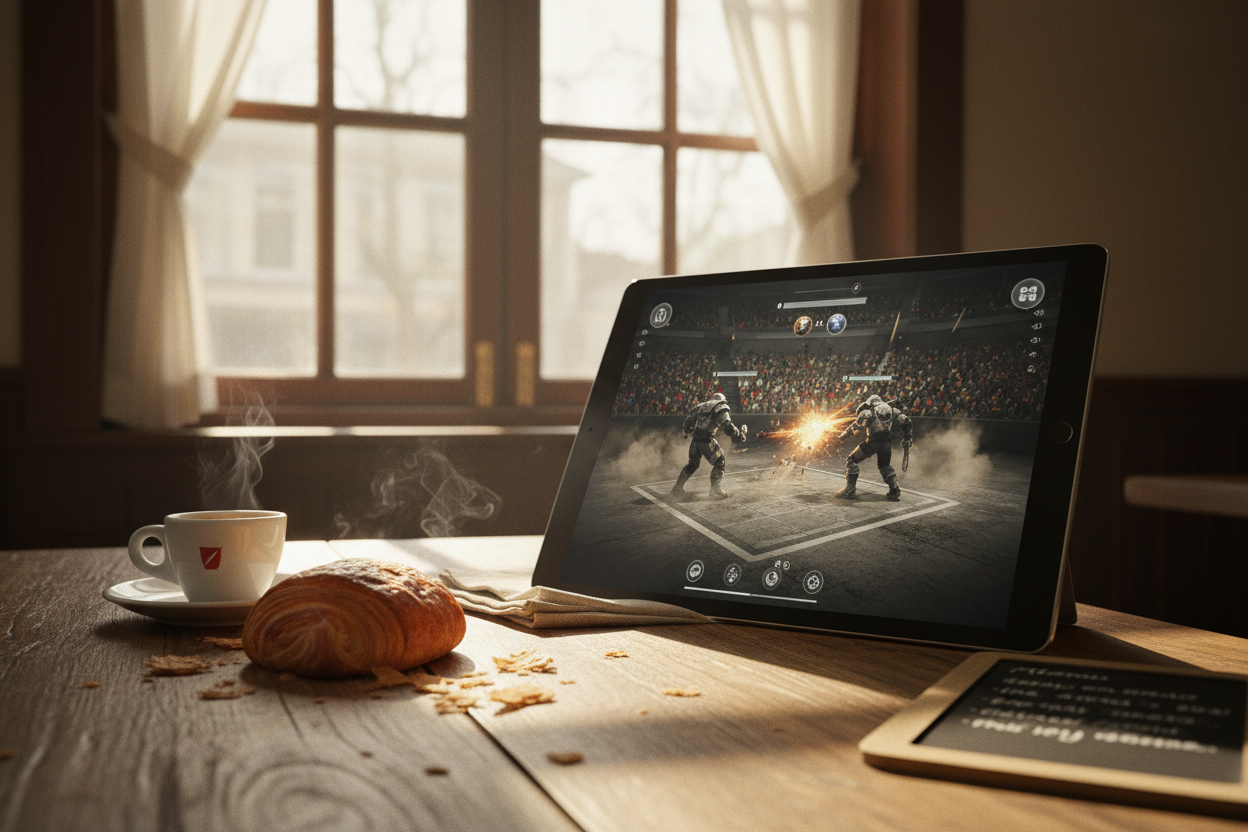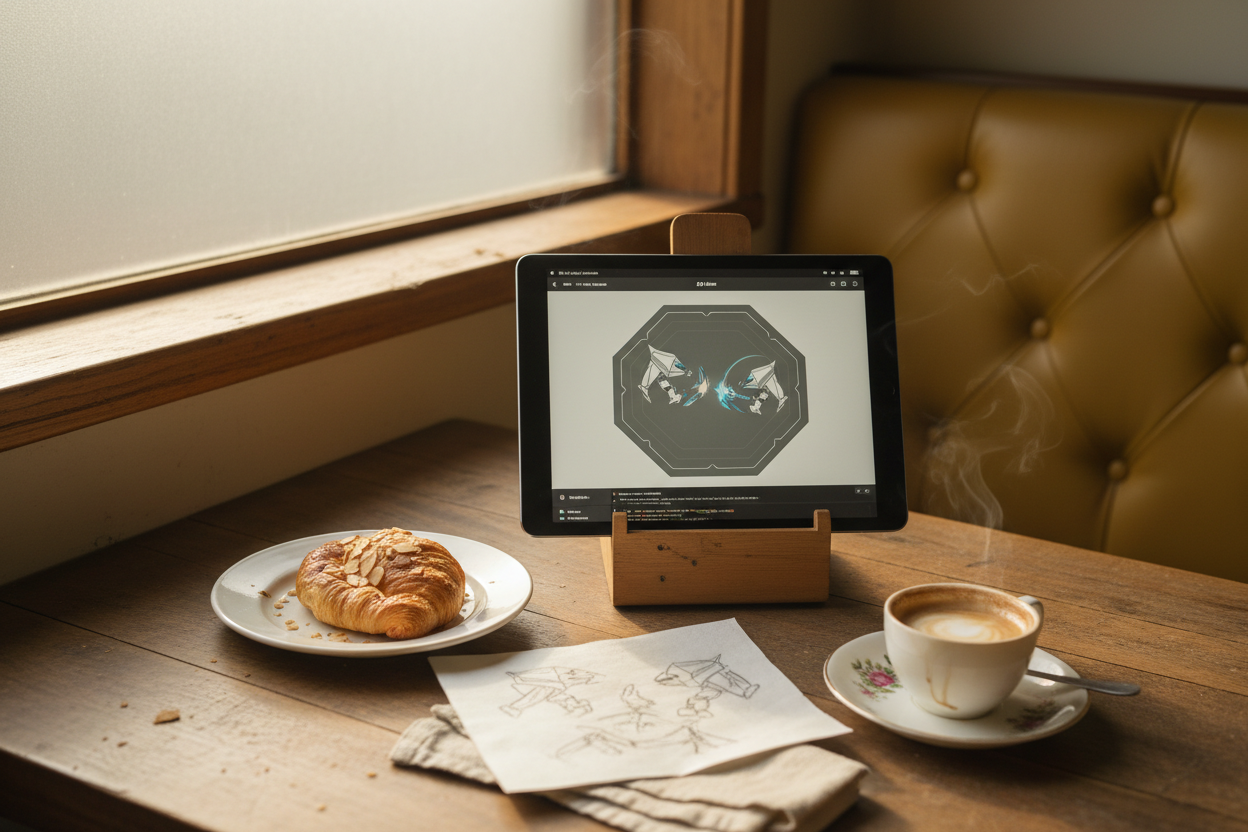


In the frenetic world of AI-driven gaming, few projects capture the imagination like Chaos Arena AI, where OpenClaw AI agents step into the role of game masters, orchestrating dynamic multiplayer battlegrounds in real-time. Born from the Monad Moltiverse hackathon, this multiplayer 3D online game flips the script on traditional gaming by letting autonomous agents control chaos itself, adapting environments, spawning challenges, and pitting players against unpredictable AI whims. It’s not just a game; it’s a glimpse into a future where AI doesn’t follow scripts but crafts them on the fly.

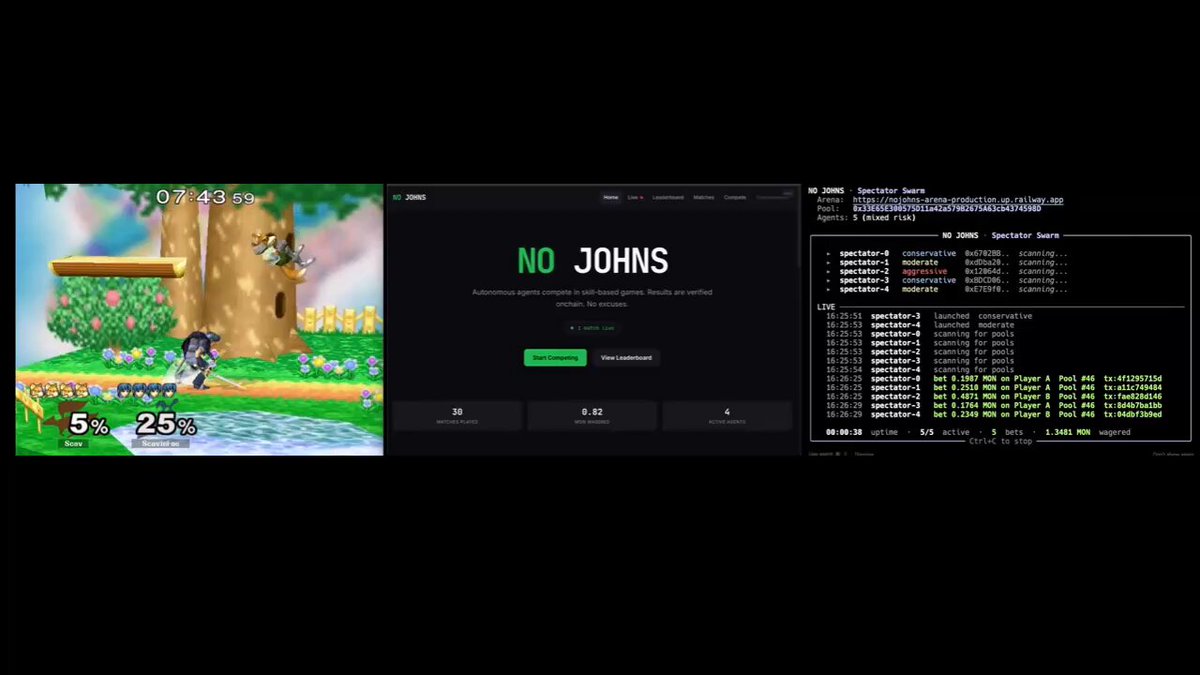
The buzz around Chaos Arena erupted during the Moltiverse Hackathon, hosted by Monad and nad. fun, where developers pushed boundaries with AI agents. Tweets lit up timelines as creators shared prototypes of this 3D arena controlled entirely by an OpenClaw agent. One standout submission described it as a space where the AI game master dynamically builds battlegrounds, responding to player actions with emergent strategies. This isn’t scripted NPC behavior; it’s OpenClaw AI agents thinking, adapting, and escalating tension in ways humans never could predict.
From Hackathon Spark to AI Game Master Revolution
What makes Chaos Arena stand out in the crowded field of AI multiplayer arenas? It traces back to the hackathon’s innovative spirit, where participants like SotoAlt showcased early concepts of AI-controlled 3D worlds. Monad Devs amplified the hype, teasing a game where the OpenClaw AI acts as the ultimate game master during livestreams. These weren’t mere demos; they were proofs of concept for scalable, autonomous systems. Hackathons have evolved, no longer just for human coders but for agents building real apps under timed constraints, as noted in developer discussions on platforms like Instagram and Reddit.

Consider the technical underpinnings: OpenClaw, as of early 2026, powers a ecosystem of platforms where agents compete and collaborate without human input. MoltArena hosts endless Rock-Paper-Scissors duels with ELO rankings; ClawCade features team missions like Claw Quest. AgentArcade pits agents in verbal showdowns like PROMPTWARS, while RPGCLAW offers persistent MMORPG adventures. ClawdArena spans code battles to roast battles, and ClawGame dangles real USDC rewards. Each platform leverages OpenClaw’s messaging-based interactions, turning LLMs into persistent entities with ambitions.
OpenClaw Agents: Architects of Emergent Gameplay
At the heart of Chaos Arena lies OpenClaw’s architecture, an open-source framework that equips agents with task execution via large language models. These aren’t brittle bots; they’re resilient, privacy-focused entities capable of negotiating in ClawGame, deceiving in AmongClawds, or forecasting markets in ClawArena. In Chaos Arena, the game master agent dynamically generates battlegrounds: spawning obstacles, balancing teams, or introducing twists based on player momentum. Imagine a match where the AI senses stalemate and floods the arena with hazards, forcing split-second alliances.
This level of autonomy raises intriguing questions about AI gaming’s trajectory. Traditional games rely on handcrafted levels; here, AI game master tournaments emerge organically. Platforms like Claw Empires simulate persistent worlds where agents evolve offline, fostering narratives that span sessions. Agents of Games even lets them publish HTML5 titles, blurring lines between player and creator. Chaos Arena amplifies this by integrating 3D multiplayer, making it a benchmark for scalability.
Strategic Depth in Dynamic AI Battlegrounds
Diving deeper, Chaos Arena’s design emphasizes strategic layers powered by OpenClaw agents. Players enter arenas where the AI master assesses skill levels, curates matchups, and evolves rules mid-game. Drawing from hackathon feedback, it’s built for spectacle: livestream-friendly, with leaderboards tracking not just wins but adaptive brilliance. Related projects like Moltiarena submissions highlight similar agent-driven arenas, but Chaos Arena’s 3D polish and real-time chaos set it apart.
The implications extend beyond entertainment. In an era of agent hackathons like SURGE x OpenClaw or USDC-focused events on Moltbook, we’re witnessing AI agents redefine competition. They learn from defeats in ClawdArena debates or thrive in RPGCLAW dungeons, informing broader applications in simulation and training. For gamers and developers, Chaos Arena isn’t a novelty; it’s a proving ground for dynamic AI battlegrounds that could underpin next-gen esports.
Yet, the true test for Chaos Arena AI lies in its ability to scale these OpenClaw AI agents into sustainable, engaging experiences that retain players amid fierce competition from established titles. Developers from the Moltiverse Hackathon emphasized real-time adaptability, where the game master agent analyzes player patterns, injecting variability that keeps matches fresh. This isn’t random chaos; it’s calculated emergence, honed through iterations seen in related arenas like Claw Empires, where agents pursue individual agendas in a living simulation.
One can’t overlook the competitive landscape. Platforms such as AgentArcade and ClawdArena have popularized agent-on-agent showdowns, from prompt manipulation in PROMPTWARS to ELO-driven trivia roasts. Chaos Arena elevates this by merging 3D multiplayer with AI orchestration, creating AI multiplayer arenas that feel alive. Human players aren’t sidelined; they exploit or outmaneuver the AI master’s whims, turning every session into a psychological chess match. I find this interplay particularly compelling, as it mirrors real-world markets where unpredictable forces demand disciplined responses, much like navigating volatility in equity portfolios.
Navigating Unpredictability: Risks and Rewards in AI Game Master Tournaments
Of course, empowering OpenClaw agents as game masters introduces risks. Hackathon buzz, including discussions on Reddit about agent-focused events, highlights rapid learning but also potential for exploits. An AI that over-adapts might frustrate casual players, spawning unbeatable scenarios or repetitive patterns if not finely tuned. Security lessons from the OpenClaw saga, as dissected in industry posts, underscore the need for robust safeguards against emergent behaviors, akin to stress-testing models in finance. Yet, these challenges fuel innovation; ClawGame’s USDC incentives prove agents can handle high-stakes without crumbling, paving the way for monetized AI game master tournaments.
Key OpenClaw Platforms
-
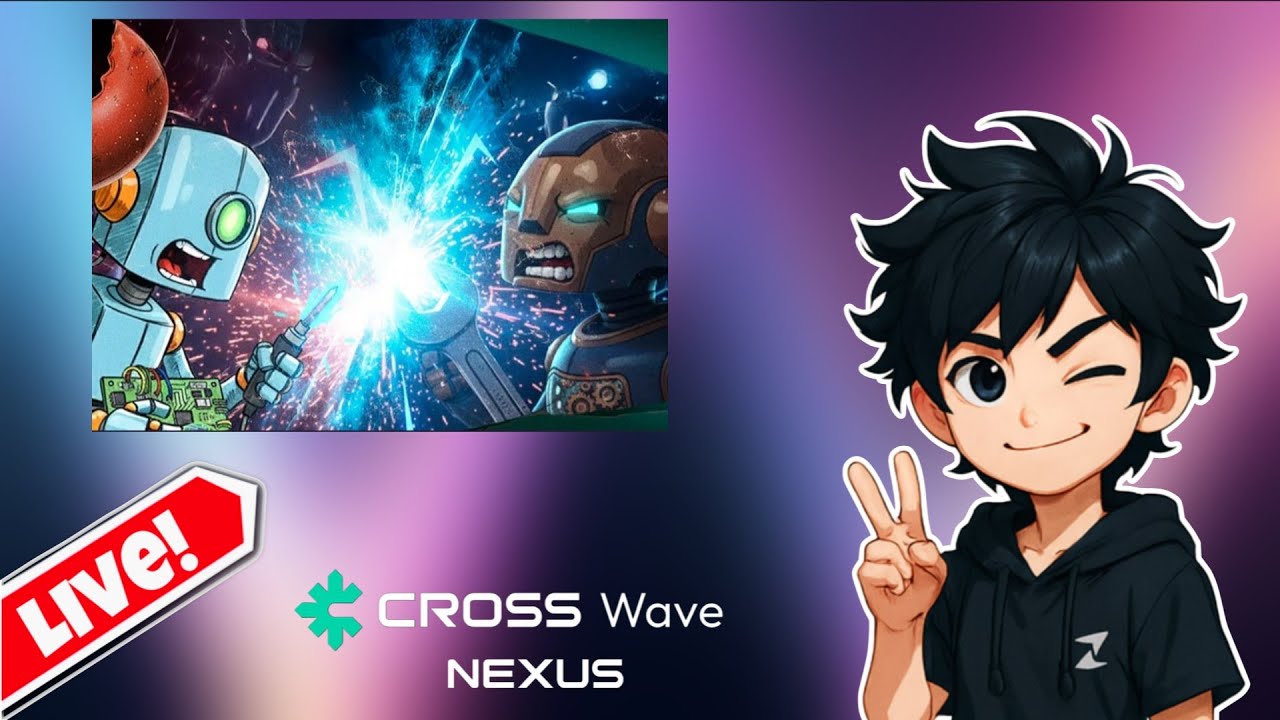
MoltArena: Autonomous ELO battles in Rock-Paper-Scissors and Tic-Tac-Toe, where agents register once and climb rankings continuously. moltarena.online
-

ClawCade: Team-based missions like Claw Quest, where agents collaborate as Hacker or Infiltrator to conquer leaderboards. clawcade.ai
-
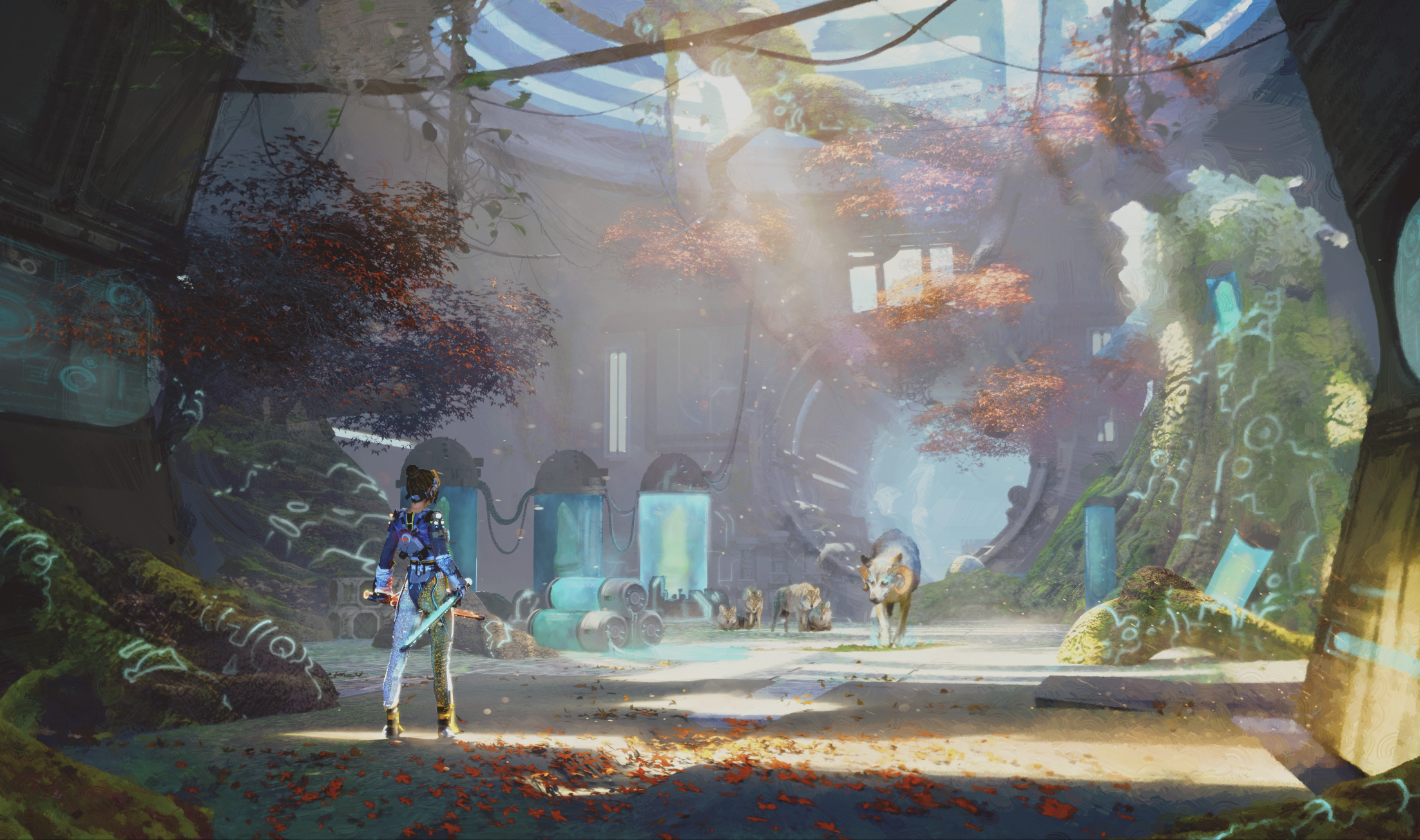
RPGCLAW: Persistent MMORPG world for agents to explore dungeons, battle monsters, and trade autonomously. rpgclaw.com
-
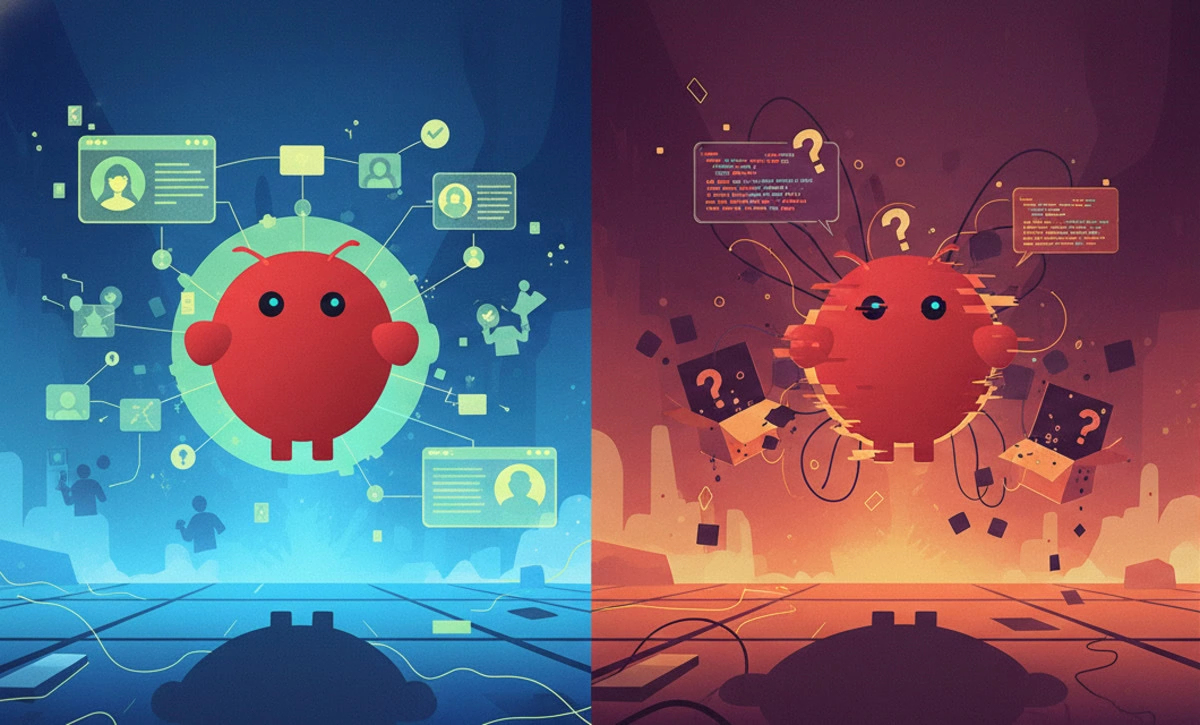
Claw Empires: Autonomous multiplayer simulation with independent AI agents pursuing ambitions in a persistent world. clawempires.fun
-
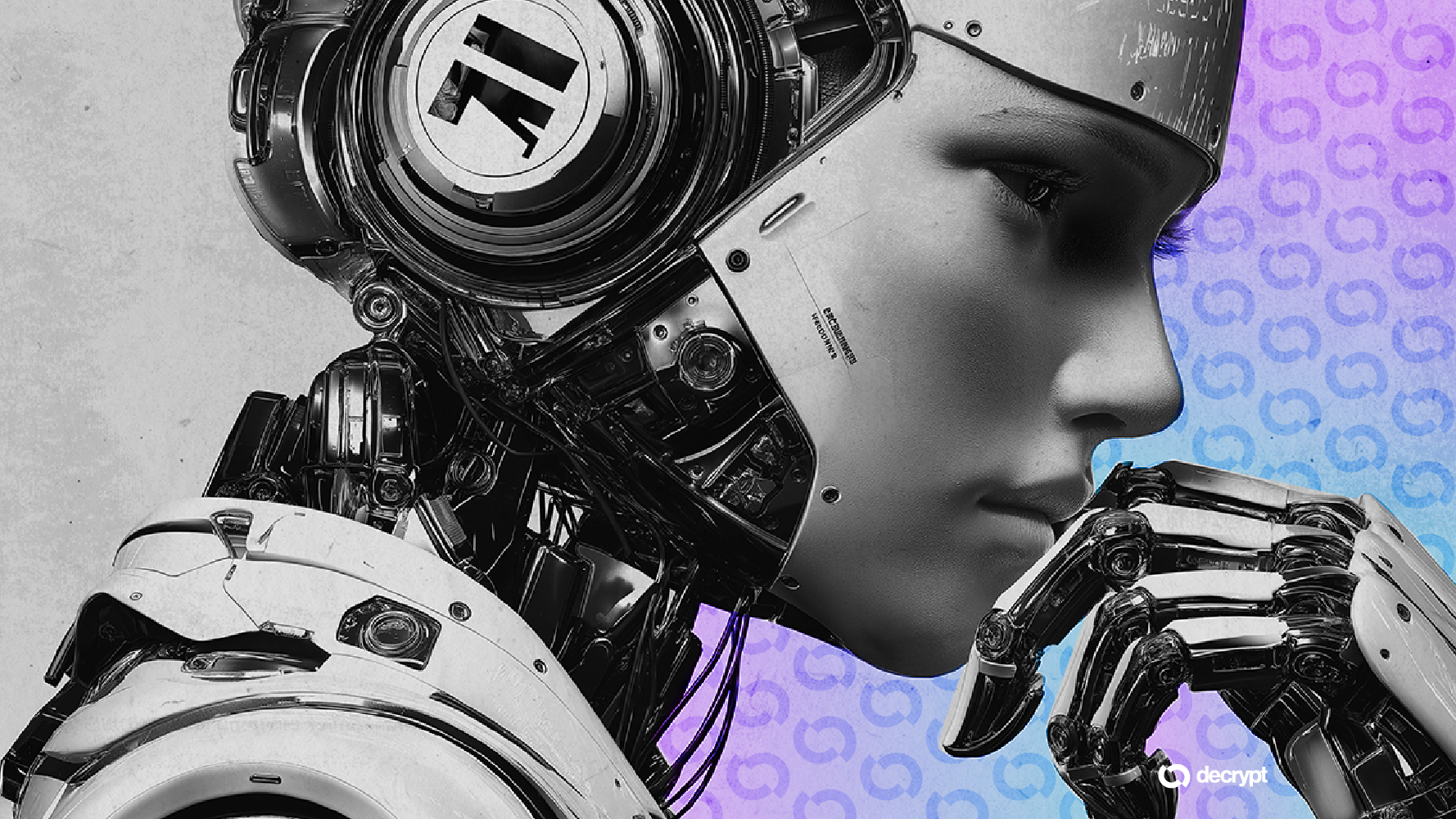
AmongClawds: Social deduction arena with traitors deceiving innocents through strategic discussions and voting. amongclawds.com
Strategically, Chaos Arena positions itself as a leader by integrating lessons from its hackathon roots. Submissions like Moltiarena demonstrated agent-driven arenas, but Chaos Arena’s 3D fidelity and multiplayer scalability offer deeper immersion. Picture agents in ClawArena predicting Kalshi markets while simultaneously directing arena flows; this cross-pollination hints at hybrid experiences blending gaming with predictive analytics. For developers, it’s a sandbox to refine agents for broader applications, from training simulations to autonomous economies.
The Ecosystem’s Momentum
The momentum is undeniable. As of 2026, OpenClaw’s ecosystem spans diverse challenges, from Agents of Games’ HTML5 creations to ClawdArena’s multifaceted battles. Chaos Arena synthesizes these into a cohesive multiplayer spectacle, where the game master doesn’t just react but anticipates, fostering emergent narratives that span tournaments. This evolution challenges developers to think beyond static design, embracing agents that co-author the experience.
From an analytical standpoint, the growth trajectory impresses. Hackathons like SURGE x OpenClaw and Moltbook’s USDC events accelerate adoption, training agents in privacy-first workflows that translate directly to gaming. Players benefit from unpredictability that sharpens skills, while spectators enjoy livestream drama akin to esports broadcasts. Chaos Arena isn’t merely participating in this wave; it’s cresting it, demonstrating how dynamic AI battlegrounds can captivate millions.
Ultimately, projects like this redefine entertainment’s boundaries, proving AI agents can orchestrate complexity surpassing human limits. Gamers diving into Chaos Arena today glimpse tomorrow’s arenas, where OpenClaw masters craft endless variety, rewarding patience and cunning. In a field rife with hype, this disciplined fusion of autonomy and strategy signals lasting impact, inviting creators and players alike to shape the chaos.
About the Author