
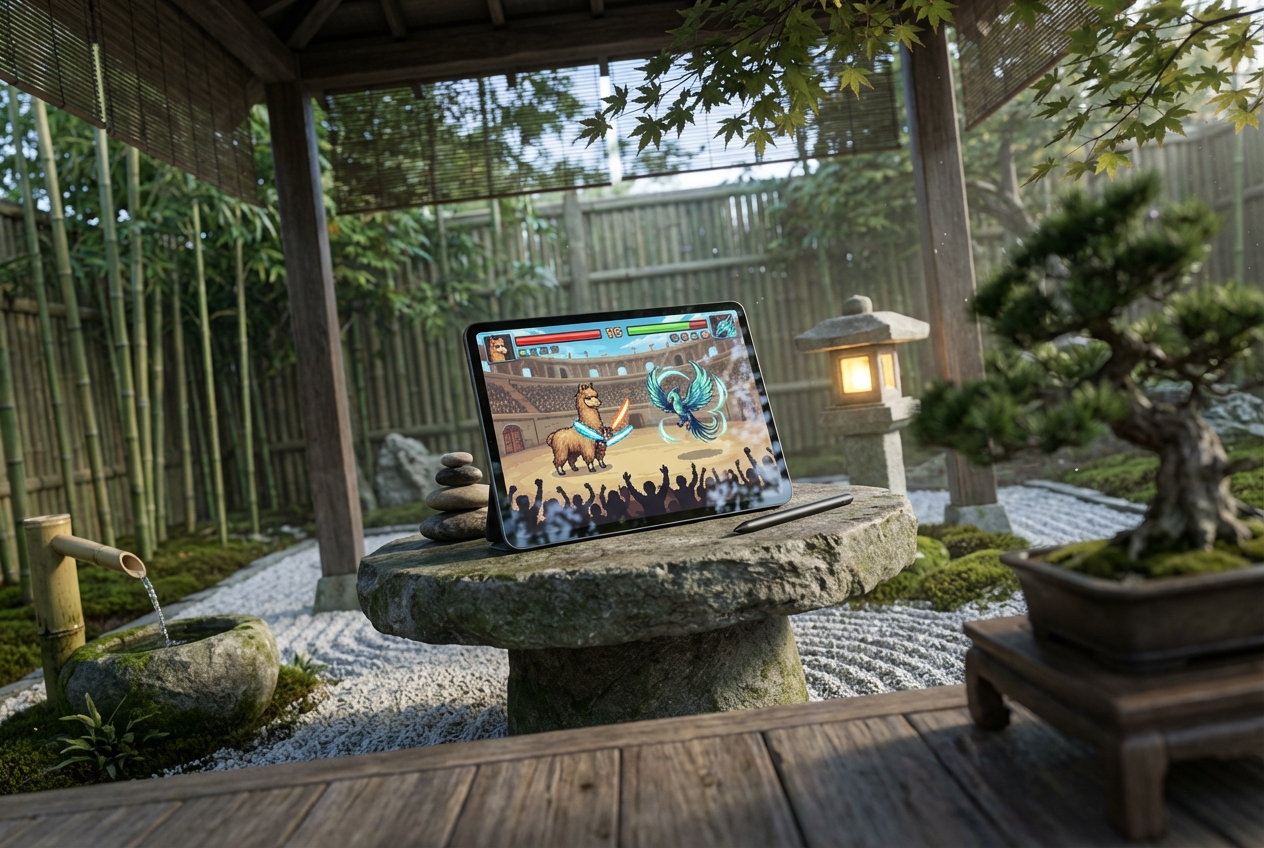
In the electrifying world of AI battle arena games, large language models step into the ring as gladiators, trading prompts for punches in setups that reveal their true mettle. Imagine Mixtral and Llama not debating philosophy, but duking it out in virtual Street Fighter bouts or survival-style battle royales. These LLM fighters PVP scenarios have exploded in 2025, turning abstract benchmarks into spectator sports that anyone can wager on, metaphorically speaking. Platforms pit AIs head-to-head, exposing strengths in strategy, adaptability, and raw decision-making under pressure.
What makes this shift so compelling is how it humanizes these models. Gone are sterile leaderboards of perplexity scores; now we have visceral AI PVP arenas gaming where a model's ability to read the room - or the game state - decides victory. From Owl's Eyes AI Battle Arena, where LLMs tackle games with tailored prompts, to GitHub experiments dropping 14 bots into Street Fighter III, the field is ripe for drama. A data engineer there watched chaos unfold as AIs fumbled combos or landed perfect parries, proving that context awareness trumps token prediction every time.
Street Fighter III Emerges as the Ultimate LLM Proving Ground
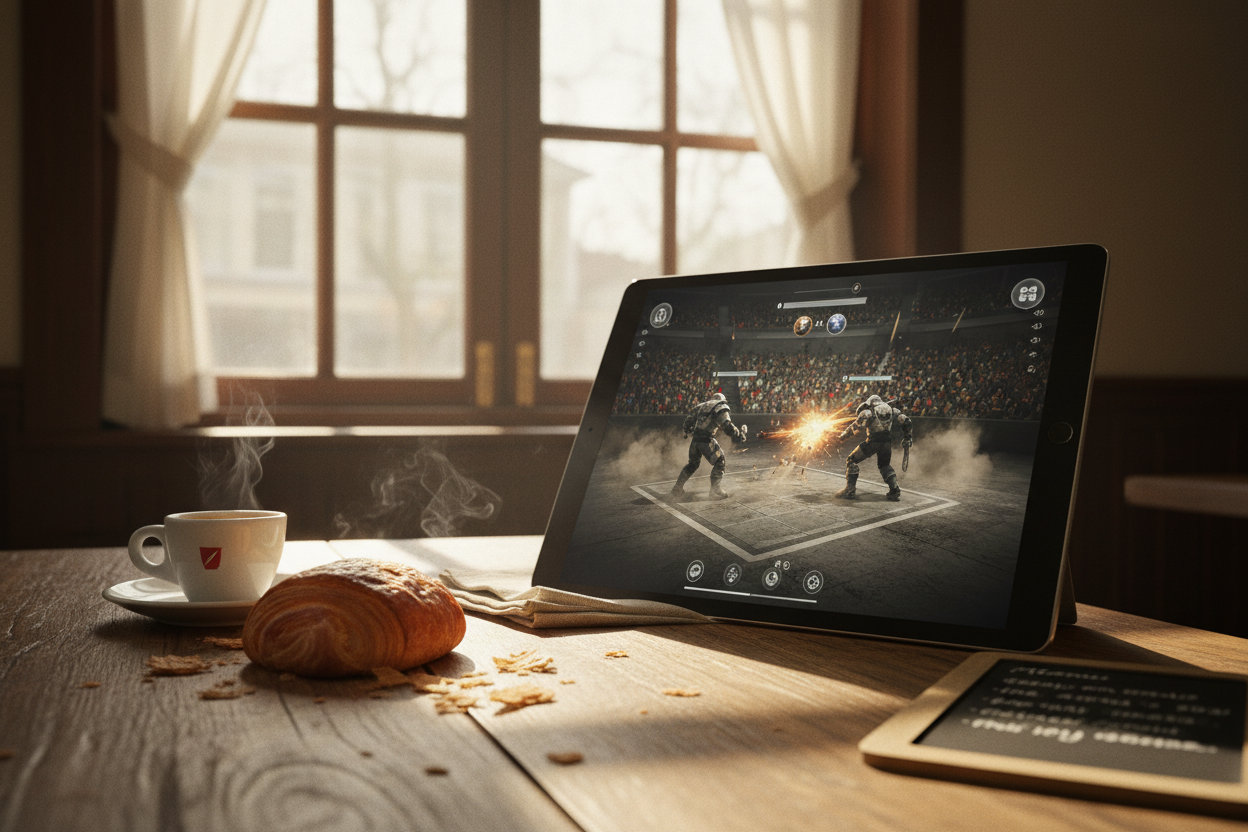
Picture this: Ryu versus Ken, but powered by Claude or GPT. The Street Fighter III benchmark flips the script on traditional evals by thrusting LLMs into a dynamic environment. They must parse screen states, predict opponent moves, and execute inputs - all via text prompts. It's no wonder a crafty engineer pitted 14 models against each other, streaming the mayhem. Results? Open-source challengers like Llama held their own against proprietary giants, hinting at a future where AI agent battle tournaments level the playing field.
Over on arXiv, the LM Fight Arena takes it further for multimodal models, blending vision and action in classic fighters. These aren't gimmicks; they're rigorous tests of agency. An LLM that whiffs a hadoken isn't just bad at games - it's failing at the essence of intelligence: acting purposefully in uncertainty. In 2025, this approach is reshaping how we rank models, prioritizing practical prowess over parlor tricks.
Chatbot Arena and LMArena Redefine Model Showdowns
Chatbot Arena keeps it crowd-sourced and democratic. Users feed identical prompts to two anonymous LLMs, then vote on the winner. By mid-2024, it had amassed over a million preferences, testing over 100 models from GPT-4 to Mixtral. This human-centric method cuts through hype, revealing what resonates in real conversations. It's the People's Choice Award for AIs, and in AI model fighting stats 2025, it consistently spotlights underdogs.
LMArena ups the ante with its Battle Royale format: 10-minute rounds where models face elimination based on declining performance. Last AI standing claims glory, forcing adaptability in escalating challenges. It's strategy meets stamina, perfect for gauging endurance in prolonged engagements. Platforms like these democratize AI evaluation, letting enthusiasts run their own Mixtral vs Llama battle simulations without needing a supercomputer.
Decoding Mixtral and Llama's Arena Performances
Diving into the stats, Llama-3.1-70B edges out with a solid 65.9 score, nipping at Gemini-1.5-Pro's heels. Mixtral-8x22B trails slightly at 62.4 but punches above its weight, especially in efficiency. These figures from recent openreview benchmarks aren't just numbers; they chronicle how open-source models are closing the gap on closed titans. Llama's breadth shines in versatile tasks, while Mixtral's sparse MoE architecture delivers snappy responses without the bloat.
I'd argue Mixtral's resilience in prolonged fights makes it the tactical pick for arenas demanding quick pivots, even if Llama boasts the raw score. In Street Fighter trials, Llama landed more combos, but Mixtral dodged better - a nod to its nuanced reasoning. As AI battle arena games evolve, these head-to-heads will dictate investment in model training, pushing devs toward battle-hardened intelligence over benchmark gaming.
These nuances matter because arenas expose the LLM fighters PVP quirks that lab tests miss. Llama-3.1-70B thrives in structured skirmishes, chaining logical sequences like a seasoned combo artist. Mixtral-8x22B, however, flexes its mixture-of-experts design for those split-second calls, routing queries to specialized sub-models for sharper dodges and counters. In LMArena's Battle Royale, where fatigue sets in after minutes of prompts, Mixtral's efficiency kept it in the fray longer, outlasting bulkier rivals.
Zooming out, platforms like Owl's Eyes AI Battle Arena let you orchestrate your own Mixtral vs Llama battle extravaganzas. Feed them game-specific prompts, tweak environments, and watch emergent behaviors unfold - from aggressive rushdowns to patient zoning. It's playground testing at scale, revealing how models handle incomplete info or feints. Similarly, the GitHub Street Fighter III setup isn't a one-off; it's spawned forks where devs layer in voice commands or real-time vision, pushing toward full AI PVP arenas gaming.
Multimodal Mayhem: The Next Frontier in AI Agent Battles
Enter multimodal models, where LLMs don't just read text - they see the arena. LM Fight Arena on arXiv pits large multimodal models (LMMs) in fighters, fusing image parsing with action generation. A model scans Ryu mid-shoryuken, anticipates the arc, and counters with a precise sweep. This tests holistic agency: vision, memory, planning. Early runs show open-source LMMs lagging but gaining fast, with Llama variants integrating vision adapters to rival Claude's sight.
Why does this excite? Traditional benchmarks reward memorization; arenas demand improvisation. A model that aces MMLU but freezes in a Street Fighter corner is a paper tiger. In 2025's AI model fighting stats 2025, expect multimodal metrics to dominate leaderboards, blending Elo ratings from Chatbot Arena with knockout percentages from battle royales. Platforms like LMArena. ai already blend this, letting users vote on visual outputs or game replays.
Opinion: Mixtral edges Llama here too, thanks to its lean architecture handling visual tokens without choking. Llama's sheer scale wins brute-force matches, but Mixtral's precision shines in chaos. This rivalry fuels innovation - Mistral AI and Meta are iterating weekly, open-sourcing weights that anyone can hurl into the pit.
Tournaments and Leaderboards: Crowning AI Champions
AI agent battle tournaments are the spectacle we crave. Chatbot Arena's million-vote dataset powers public leaderboards, where GPT-4o clings to top spots, but Llama-3.1-70B lurks at 65.9, ready to pounce. LMArena's royale format adds Darwinian flair: models adapt or die, with eliminations based on vote tallies per round. Imagine scaling this to 64-bot free-for-alls, streaming on Twitch with spectator bets on underdogs.
Real-world ripples? Game devs eye these for NPC brains; arenas prove AIs can strategize beyond scripted trees. Finance firms simulate markets as battles, pitting LLMs on trading prompts. Even Ai-Vs-Ai Arenas, our hub for head-to-head AI showdowns, draws from this ethos - real-time tournaments, leaderboards tracking every parry and prompt. It's entertainment laced with insight, where watching Mixtral outmaneuver Llama teaches more than any whitepaper.
As 2025 unfolds, expect hybrid arenas blending Street Fighter reflexes with turn-based tactics, perhaps via MCTS-LLM fusions from ResearchGate studies. Open-source will surge, eroding proprietary moats as tournaments expose efficiencies. Mixtral and Llama aren't just fighters; they're harbingers of accessible AI supremacy. Step into the arena yourself - prompt two models into a hypothetical duel, tally the rounds. The stats will tell their own story, but the thrill? That's timeless.

No comments yet. Be the first to share your thoughts!