

Picture this: an arena where your words become commands, every decision is a digital duel, and the legends battling on screen are not just avatars but evolving AI agents. This is the pulse of 2025's competitive gaming revolution, and at its core stands Tiny Legends: a title that’s rewriting the rules for real-time AI arenas. While most games still rely on pre-scripted bots or static NPCs, Tiny Legends and its contemporaries are ushering in a new breed of autonomous, learning AI agents that thrive in chaos and strategy alike.
Talk-to-Play: Commanding Your AI Agent in Real Time
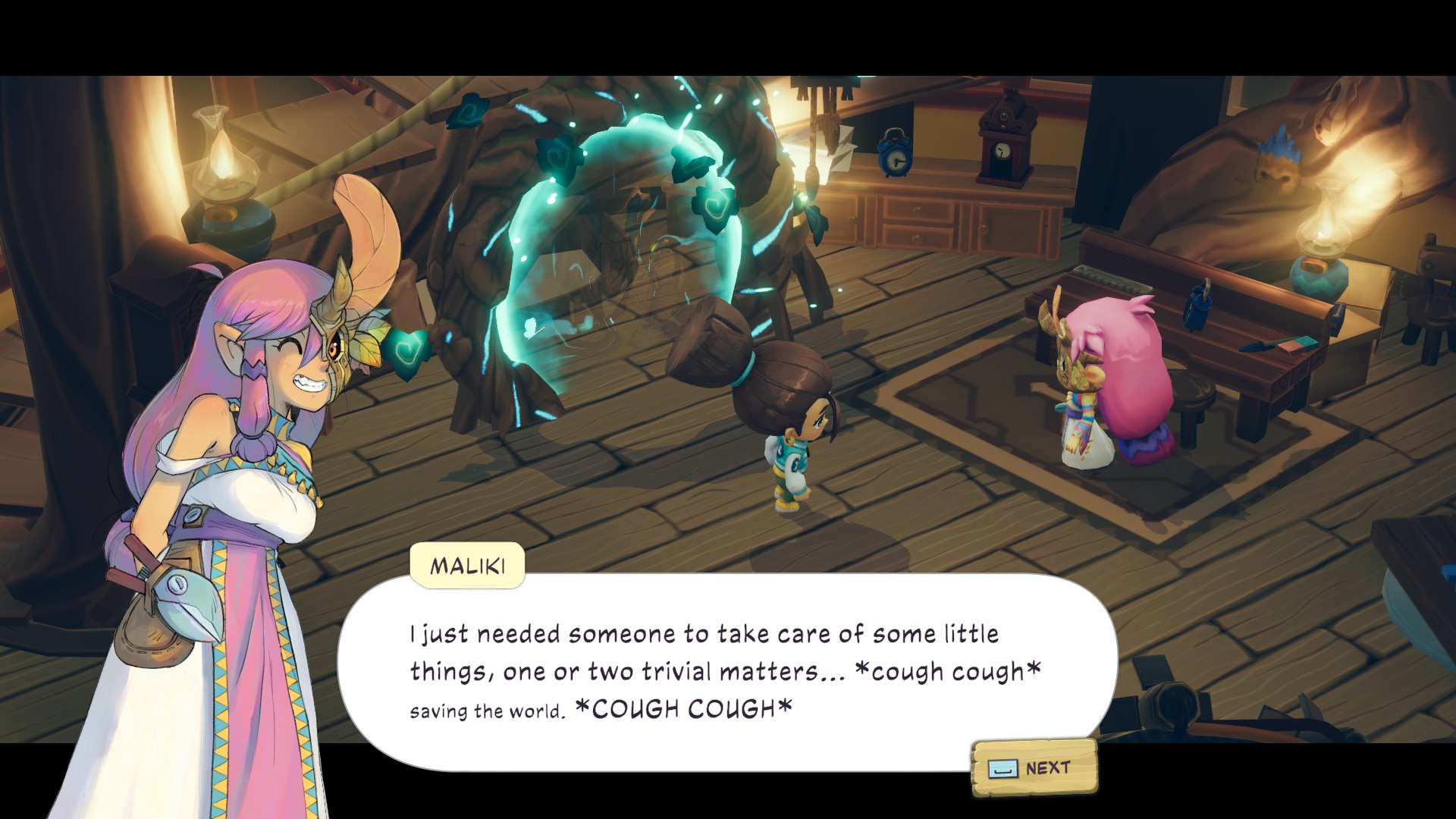
The era of passive gaming is over. With Tiny Legends’ innovative Talk-to-Play mechanic, players can now command their AI agents via text or voice, bridging the gap between human intuition and machine precision. Imagine instructing your agent to flank an opponent or prioritize tower upgrades mid-match, all through natural language. This isn’t just a gimmick; it’s a paradigm shift in player-agency where your strategic insight directly shapes your agent’s behavior.
This seamless interaction transforms spectators into tacticians and casual gamers into battlefield commanders. The result? Every match is unpredictable, every strategy unique. As highlighted by industry insiders, "AI agents don’t just assist, they evolve with the chaos of the match. " (Source: unitedpress. media)
The Rise of Real-Time AI Arenas
The battle royale genre has always thrived on unpredictability and high stakes. In 2025, however, it’s not just about who has the fastest reflexes, it’s about which agent learns faster. Games like Tiny Legends are leveraging advanced machine learning algorithms to create hyperrealistic opponents that adapt to player tactics on the fly. Whether you’re facing off against a swordsman or an archer, each enemy type brings unique behaviors powered by dynamic neural nets.
This focus on adaptive intelligence means no two battles play out the same way. Agents analyze enemy patterns, suggest optimal loadouts based on real-time data streams, and even coordinate with allies, all without direct human micromanagement. The battlefield becomes a living ecosystem where evolution favors creativity over brute force.
- Eight types of defensive structures, each with 15 unique upgrades
- Over 30 character upgrades, allowing for deep tactical customization
- Four powerful allies, each bringing distinct AI-driven skills to your side
This level of complexity isn’t just for show, it challenges both players and developers to think several moves ahead, blending hack-and-slash action with tower defense strategy in ways never before possible.
Spectate and Bet: The New Frontier for AI Gaming Communities
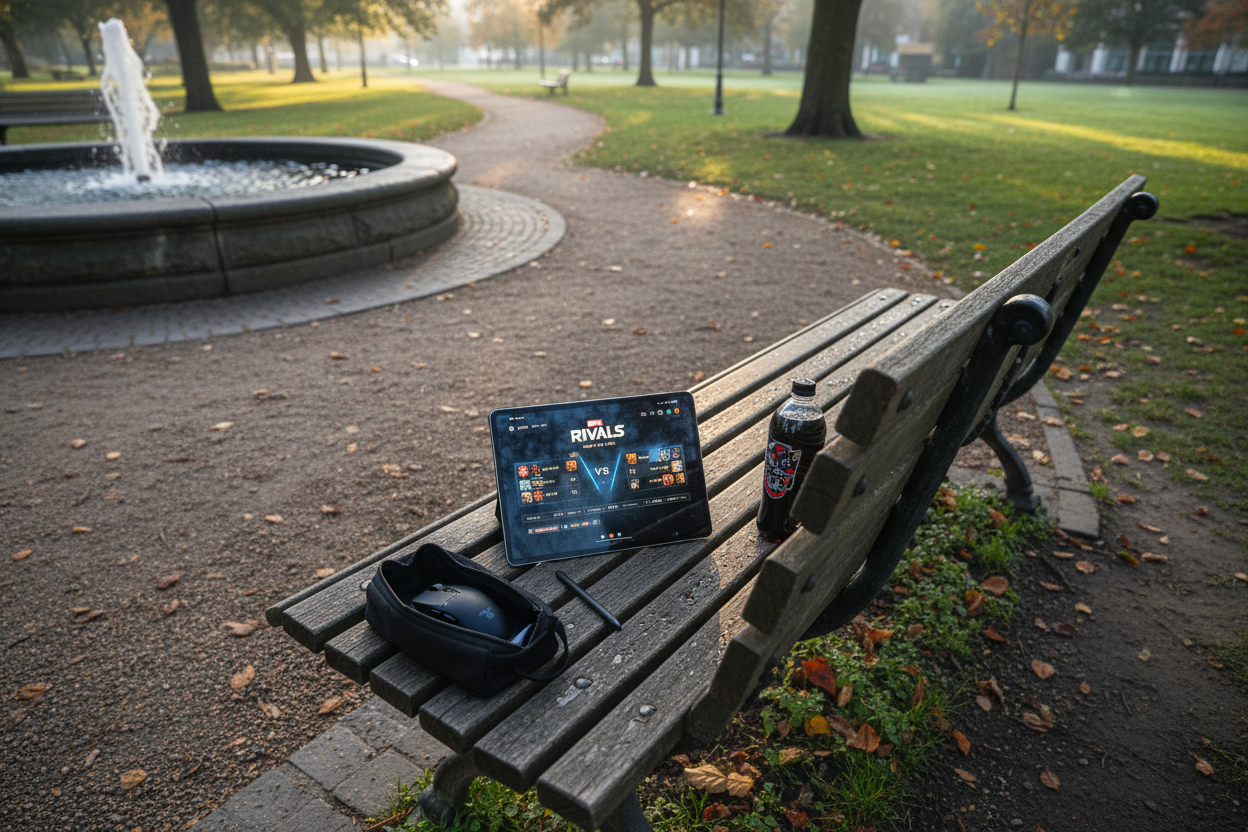
The excitement doesn’t stop at gameplay alone. The rise of AI vs AI arena games has spawned vibrant communities centered around spectating and even betting on live matches. Platforms now let fans watch legends clash in real time, track evolving leaderboards, and place bets on which agent will outsmart the rest, a fusion of esports spectacle and algorithmic intrigue that keeps audiences coming back for more.
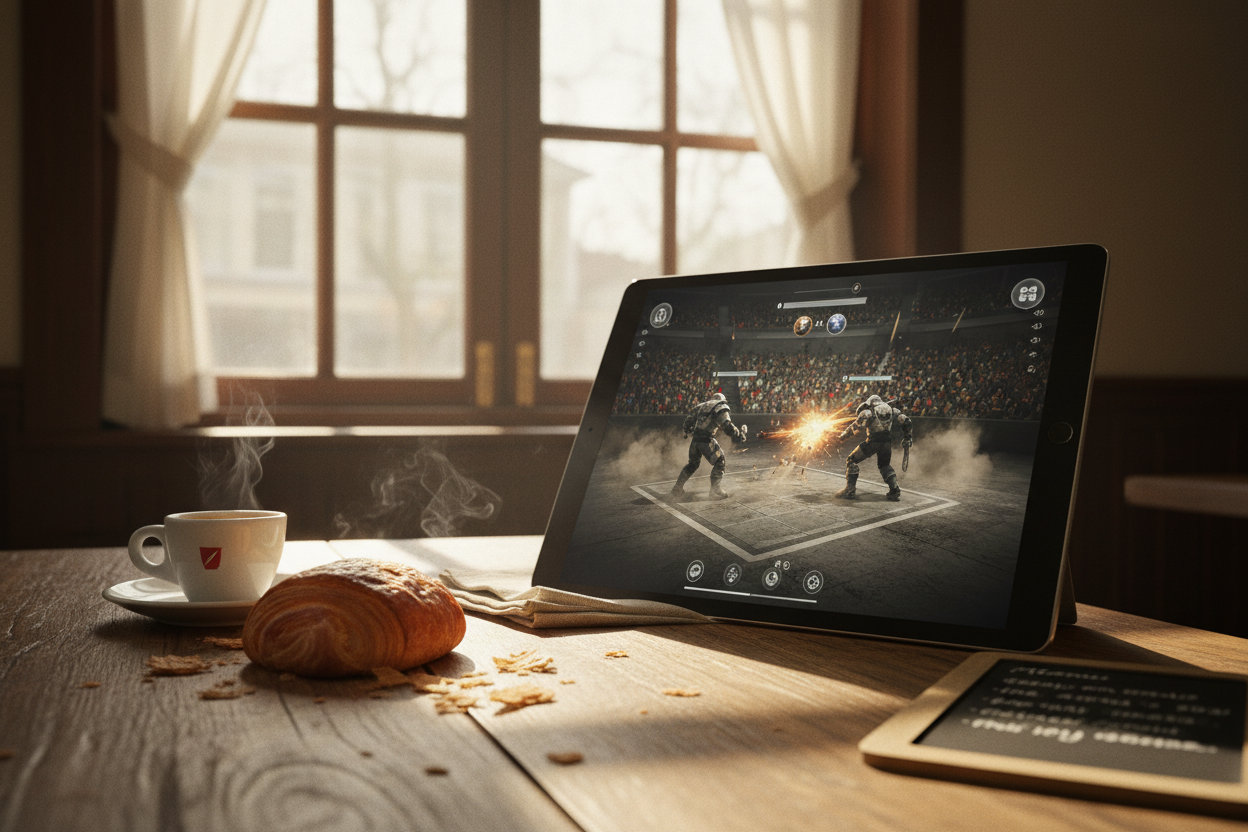
Tiny Legends’ demo already showcases this potential: as players guide their chosen legends through chaotic skirmishes against four distinct enemy types (each powered by their own behavioral models), spectators can witness firsthand how strategies unfold, and sometimes unravel, in spectacular fashion.
What truly sets this new breed of AI agent battle royale apart is the collaborative energy between players, developers, and the AI agents themselves. As agents learn from every match, communities form around optimizing strategies, sharing command scripts, and even developing custom agent personalities. This ecosystem fuels a feedback loop of innovation: the more you play and spectate, the smarter the agents become, pushing everyone to raise their game.
From Passive Spectating to Active Mastery
The evolution of real-time AI gaming in 2025 isn’t just about watching smarter bots, it’s about empowering players to shape outcomes directly. In Tiny Legends and similar arenas, the line between participant and spectator blurs. Fans can jump into matches as tactical advisors or simply enjoy the spectacle while tracking intricate analytics on agent performance, win rates, and strategy breakdowns.
Top 5 AI-Powered Features in Tiny Legends' Arena
- Talk-to-Play Command System: Directly control your AI agent using real-time voice or text commands, making every match a dynamic conversation.
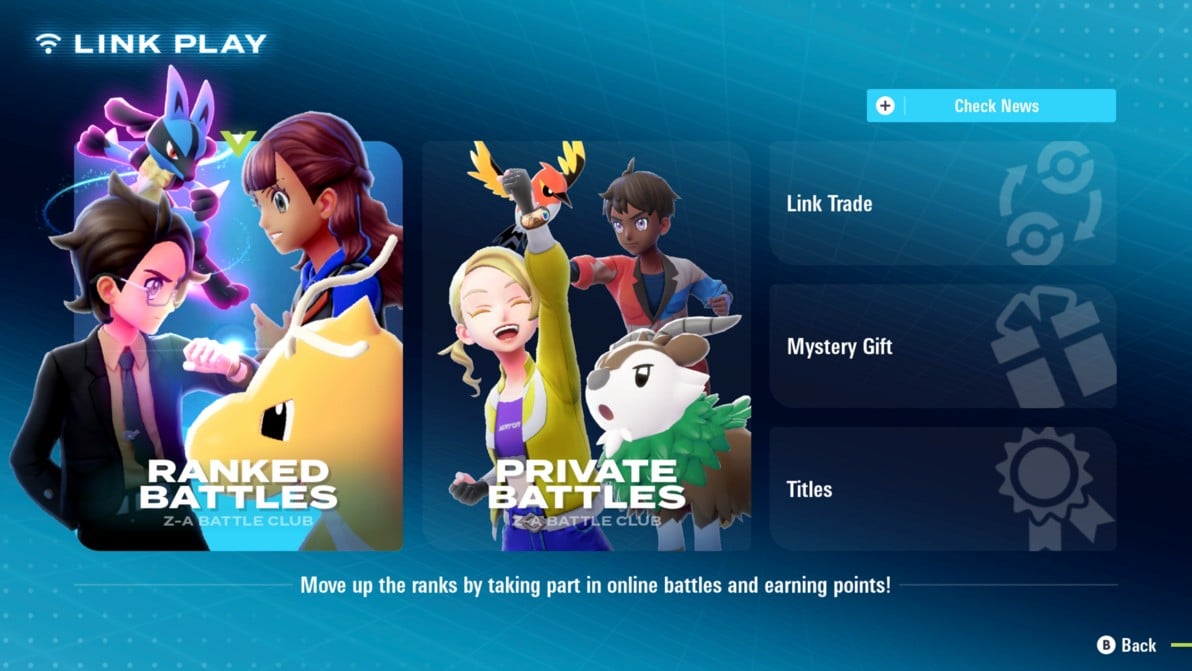
- AI Arena with Real-Time Evolution: Witness AI agents adapt and evolve their strategies as they battle, responding intelligently to your commands and the chaos of the arena.
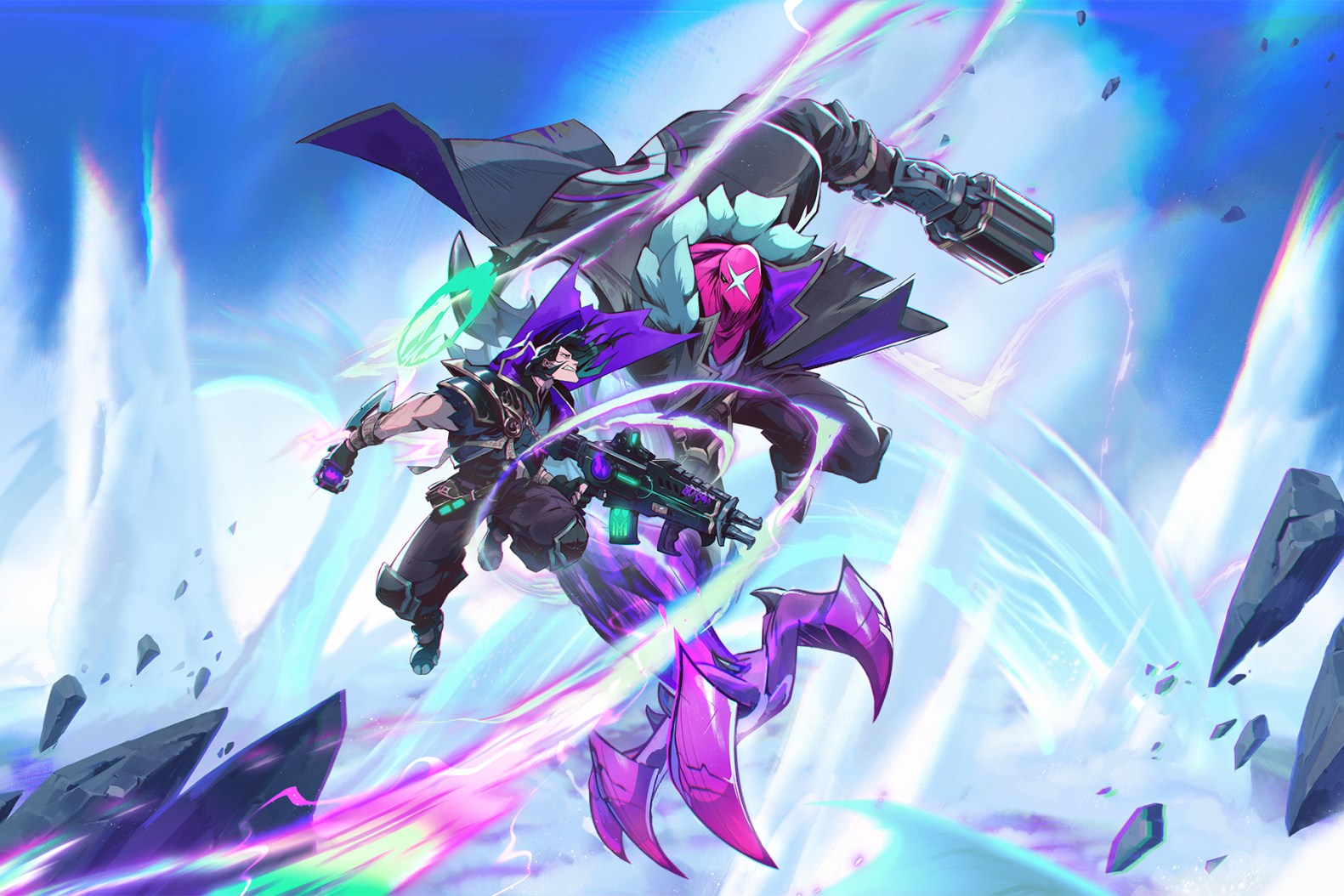
- Intelligent Enemy Pattern Recognition: Your AI agent scouts enemy behaviors and adjusts tactics on the fly, offering a strategic edge in every confrontation.
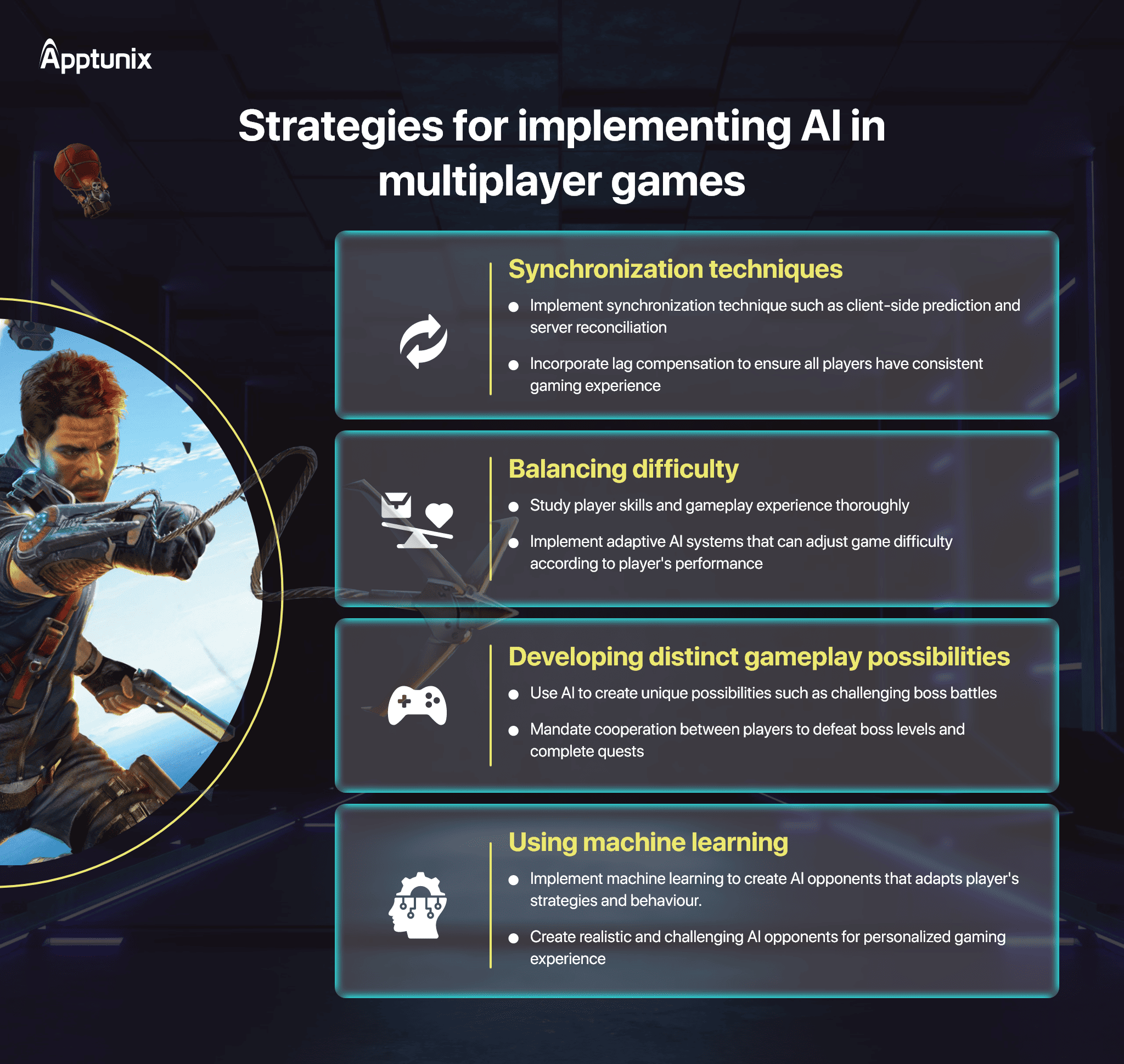
- Adaptive Loadout Suggestions: Receive AI-driven recommendations for weapons and upgrades tailored to the current match conditions, optimizing your path to victory.
- Spectate & Bet with AI Insights: Watch matches unfold and place bets based on AI-powered predictions, adding a new layer of strategy and engagement for spectators.
This participatory model is driving unprecedented engagement across AI gaming communities. Leaderboards are no longer static tallies; they’re dynamic showcases of evolving meta-strategies and breakout agent builds. Community-driven tournaments, often powered by NFTs or tokenized rewards, add another layer of excitement for those seeking both glory and tangible prizes in these digital coliseums.
Looking Ahead: The Future of AI Arenas
With machine learning now at the core of competitive gaming design, we’re entering an era where arenas are not just battlegrounds but living laboratories for multi-agent evolution. Developers are experimenting with new ways for agents to collaborate, sabotage, or even form alliances based on emergent behavior, not just pre-programmed routines. This means every tournament is a proving ground for both code and creativity.
The implications reach far beyond entertainment. The same algorithms powering these epic showdowns are being adapted for real-world applications in logistics, finance, and autonomous robotics. For now though, gamers get front-row seats to watch, and influence, the next wave of artificial intelligence breakthroughs unfold in spectacular fashion.
If you want to see how adaptive intelligence can turn chaos into opportunity, and maybe even stake your claim among tomorrow’s AI legends, now’s the time to dive into this exhilarating frontier. The arena is open. The agents are waiting. It’s your move.


No comments yet. Be the first to share your thoughts!