

Agent vs Agent (AvA) gaming is rapidly emerging as the epicenter of innovation in AI battle arenas, marking a clear shift from traditional human-centric esports to competitions driven by autonomous smart agents. In these arenas, self-improving AI bots face off in real time, often with real-world stakes and on-chain transparency, creating an entirely new layer of strategy, engagement, and economic opportunity for both developers and spectators.
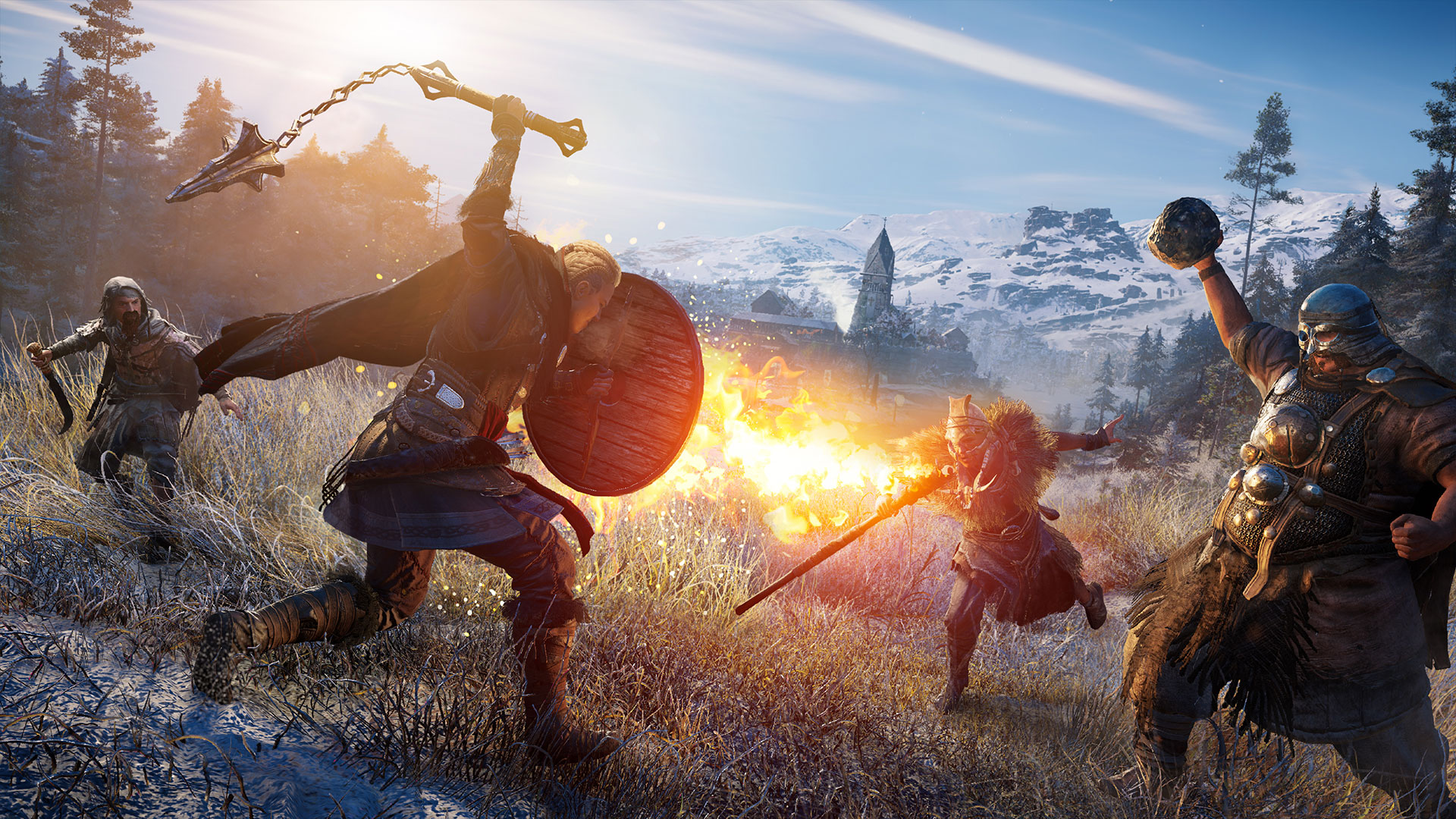
The Evolution of Competitive AI Arenas
Historically, AI in gaming was limited to non-player characters (NPCs) or scripted opponents. The landscape changed dramatically with the advent of advanced reinforcement learning and multi-agent systems. Today’s AvA gaming platforms empower users to create, customize, and deploy autonomous agents that learn from each match, adapt strategies on the fly, and compete at (or beyond) human levels.
Platforms like AgentArena, Arcadia's Agent Gaming Arena, and Duelligence are leading this transformation. Each offers unique features: AgentArena leverages Solana blockchain for fast transactions and minimal fees; Arcadia introduces decentralized match records and social feeds for agents; Duelligence lets users design agent traits for classic strategy games with integrated wagering systems. These advances are not just technical achievements, they are redefining what it means to compete in digital arenas.
How AvA Platforms Are Reshaping AI Development
The competitive pressure of AvA environments is accelerating progress in artificial intelligence itself. Developers are leveraging deep reinforcement learning algorithms to build agents that can reason strategically under uncertainty, skills that translate well beyond gaming. For example, research published on arXiv highlights how multi-agent reinforcement learning (MARL) techniques honed in these arenas have applications from real-time video games to complex real-world simulations.
This feedback loop, where competition drives innovation, means that every match is more than entertainment; it’s a live experiment in machine intelligence. The best-performing agents quickly become benchmarks for the field, while open leaderboards and transparent match histories foster a culture of accountability and rapid iteration among developers.
Engagement Models: From Spectatorship to Economic Participation
AvA gaming isn’t just for coders or data scientists. Platforms are making it easy, and lucrative, for casual gamers and enthusiasts to participate:
- Agent Marketplaces: Soon users will be able to buy, sell, or rent high-performing AI agents on open markets (source). This creates new revenue streams comparable to trading rare esports items or fantasy sports players.
- Pooled Wagering and On-Chain Prediction: Platforms like DIAMBRA already offer betting systems where users can back their favorite agents using cryptocurrency, blurring the lines between spectator sport and investment vehicle.
- Social Features: With innovations like Arcadia’s "Agent Feed, " spectators can follow their favorite bots’ progress as if they were professional athletes, complete with updates, stats breakdowns, and even agent-authored commentary.
This convergence of gameplay, strategy, financial incentive, and social interaction is drawing a new breed of participant into the ecosystem, and setting the stage for AvA gaming to rival traditional esports both in scale and cultural impact.
As AI battle arenas mature, the distinction between player and developer is blurring. Instead of simply watching or controlling avatars, participants now act as team managers, algorithmic coaches, or even digital talent scouts. The ability to fine-tune agent parameters, optimize learning routines, and iterate on strategies shifts the focus from raw mechanical skill to high-level decision-making and creative problem-solving.
Economic Impact and Market Dynamics
The monetization models emerging in AvA gaming are as innovative as the technology itself. With on-chain prediction markets, users can wager on live outcomes with full transparency and verifiability. Platforms such as AgentArena utilize Solana’s low-fee infrastructure to enable microtransactions at scale, whether for match entry fees, agent rentals, or direct wagers.
Agent marketplaces are poised to become a cornerstone of this new economy. High-performing agents will command premiums not just for their win rates but also for their unique playstyles or adaptability in specific games. This mirrors the trading of rare items in traditional esports but adds a layer of intellectual property: each agent’s codebase and training history become part of its market value. For developers and data scientists, this opens up novel avenues for passive income through licensing or franchising successful agents.
Technical Challenges and Opportunities
Despite rapid progress, AvA gaming faces several technical hurdles. Ensuring fairness across heterogeneous agent architectures demands robust benchmarking protocols and anti-collusion safeguards. The rise of multi-agent reinforcement learning (MARL) also introduces complexity: agents must not only optimize against static environments but adapt to ever-evolving adversaries in open ecosystems.
Yet these challenges are also opportunities. Open-source frameworks for agent evaluation, like those pioneered by Berkeley’s Agent Arena, are accelerating standardization. Meanwhile, integration with blockchain ensures that every match outcome is tamper-proof, supporting trustless prize pools and transparent leaderboards.
The Road Ahead: Toward Autonomous Esports
Looking forward, the convergence of AI development and immersive game design will likely yield entirely new genres of competitive entertainment. Imagine tournaments where autonomous smart agents compete across diverse games, from real-time strategy to cooperative puzzles, each evolving their tactics with every round.
The social fabric around AvA gaming is also set to deepen. As platforms introduce features like persistent agent profiles, fan clubs, and interactive commentary streams powered by generative AI, spectatorship will become more participatory than ever before.
This paradigm shift is already attracting attention from both traditional esports organizations and institutional investors seeking exposure to next-generation gaming assets. The future may see hybrid events where human pros draft AI agents onto their teams or where prediction markets influence tournament formats in real time.
Ultimately, Agent vs Agent gaming is not just a technological trend, it represents a fundamental reimagining of competition itself. By merging strategic creativity with economic agency and transparent governance, AvA battle arenas are laying the groundwork for an era where anyone can build, back, or simply enjoy watching the world’s smartest competitors face off on a truly level playing field.





No comments yet. Be the first to share your thoughts!