

If you told a League of Legends player in 2018 that their next obsession would be watching little penguins auto-battling on hexagonal boards, they’d have laughed you out of the Discord server. Yet here we are: AI-powered auto-battlers like Teamfight Tactics (TFT), Dota Auto Chess, and their ever-expanding kin have stormed the competitive gaming scene, flipping the script on what it means to outplay your opponent.

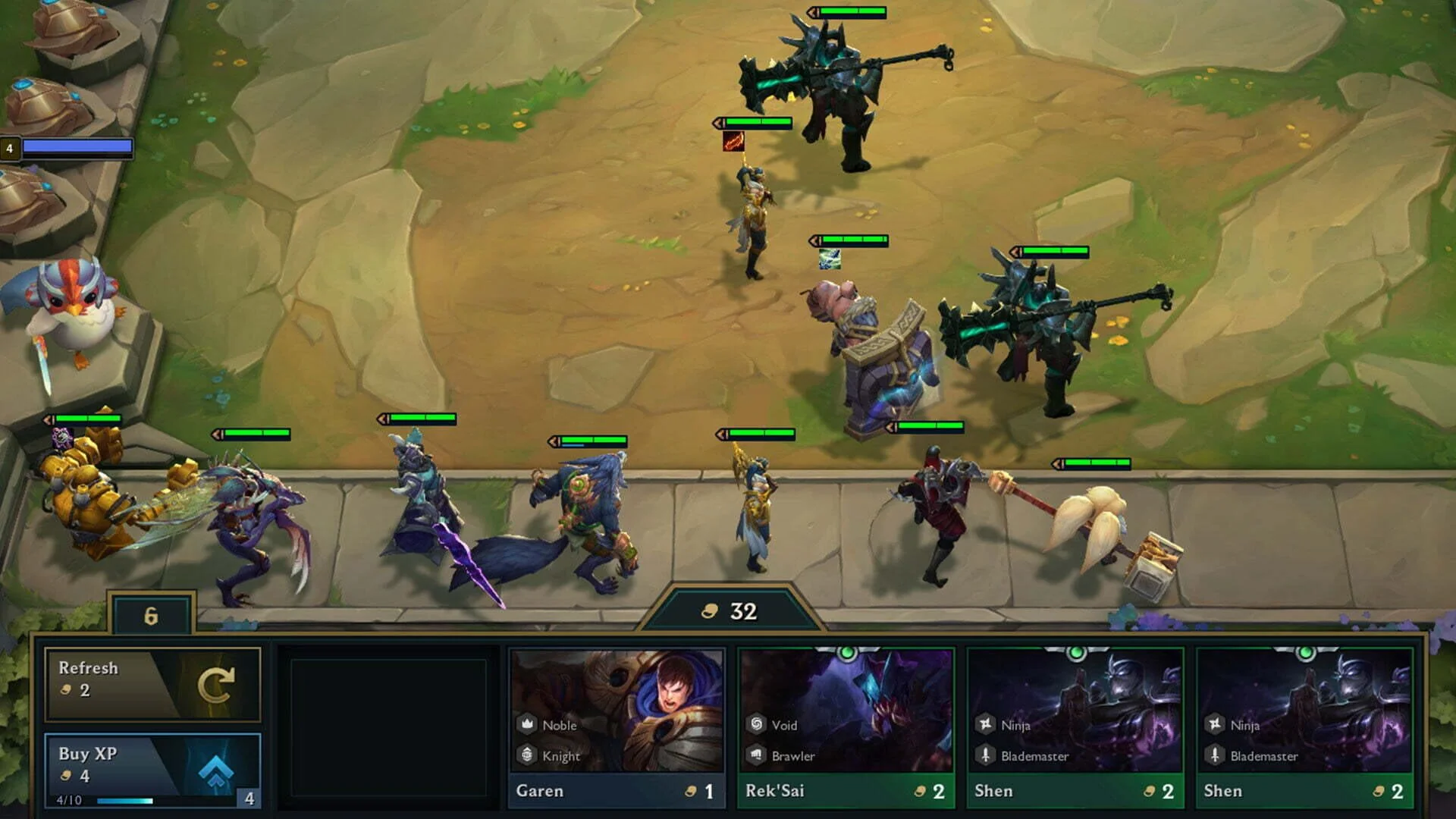
Forget frantic mouse clicks or split-second skillshots. In this genre, your brain is your best weapon. The AI takes over the action phase, letting players focus on drafting, positioning, and synergizing units. It’s less about mechanical prowess and more about anticipation, adaptability, and strategic gambits. And the results? A genre that’s as binge-worthy as it is brainy.
The Birth of a Genre: From Mod to Mainstream
The auto-battler craze didn’t start in some corporate boardroom but in the modding wilds of Dota 2. In early 2019, Drodo Studio unleashed Dota Auto Chess, a custom game mode that combined deck-building with tactical squad management. Within months, it had racked up over eight million players – not bad for something cobbled together by passionate fans.
This surge didn’t go unnoticed. Valve spun off Dota Underlords, Drodo launched a standalone Auto Chess, and Riot Games quickly shipped Teamfight Tactics. Suddenly, every major publisher wanted a piece of this new AI-driven action – and players couldn’t get enough.
How AI Shapes Every Battle
Here’s where things get spicy: unlike classic PvP games where player reflexes dominate, auto-battlers hand control of combat to sophisticated in-game AI. Players assemble their dream squads during prep rounds – picking units with unique abilities and synergies – then set them loose as the AI resolves battles automatically.
This paradigm shift means victory hinges on prediction and adaptation rather than twitch skills. Want to counter that guy stacking Mechs? Adjust your comp mid-game. Suspect someone’s hoarding mages? Hedge with magic resistance items. The AI crunches all these variables at lightning speed each round, making every match feel like an evolving chess puzzle where everyone’s pieces move simultaneously.
Arena Evolution: Why Gamers (and Developers) Love It
The rise of AI auto-battler games hasn’t just changed how we play; it’s reshaped who plays. By lowering the mechanical barrier to entry but cranking up the need for sharp decision-making, these games attract both hardcore strategists and casual tacticians alike.
- Diverse player base: You’ll find grandmasters from chess rubbing elbows with MOBA veterans and even card game aficionados.
- Robust matchmaking: With outcomes driven by strategic choices rather than click speed, ranking systems can more accurately gauge true skill over time.
- Spectator-friendly: Watching high-level auto-battler matches is like peeking into an esports think tank – every round is a masterclass in adaptation under pressure.
The genre has also sparked innovation beyond its founding titles. From Tales and Tactics to Mechabellum, developers are experimenting with new unit types, abilities, and even story-driven campaigns – all powered by increasingly sophisticated in-game AI engines.
What’s especially fascinating is how these games have become a proving ground for AI matchmaking optimization and competitive analytics. The data-rich environments of auto-battlers let developers fine-tune algorithms that match players not just by win rates, but by playstyle, risk appetite, and even strategic quirks.
Take Teamfight Tactics, where the matchmaking system now leverages AI to create lobbies that maximize both fairness and unpredictability. Gone are the days of lopsided stomps or endless mirror matches; today’s AI-driven ladders serve up a smorgasbord of tactical diversity, rewarding players who can pivot strategies on the fly. It’s no wonder TFT’s ranked mode has become a staple in the AI competitive gaming arena.
Beyond TFT: The Expanding Auto-Battler Universe
If you’re hungry for more brainy brawls, the buffet is bigger than ever. According to recent player polls and Steam charts, titles like Dota Underlords, Auto Chess, and Hearthstone Battlegrounds continue to pull massive crowds. Meanwhile, mobile-first gems like Super Auto Pets and indie darlings such as Tales and Tactics are carving out their own devoted followings.
Top 5 AI-Powered Auto-Battler Games in 2025
-
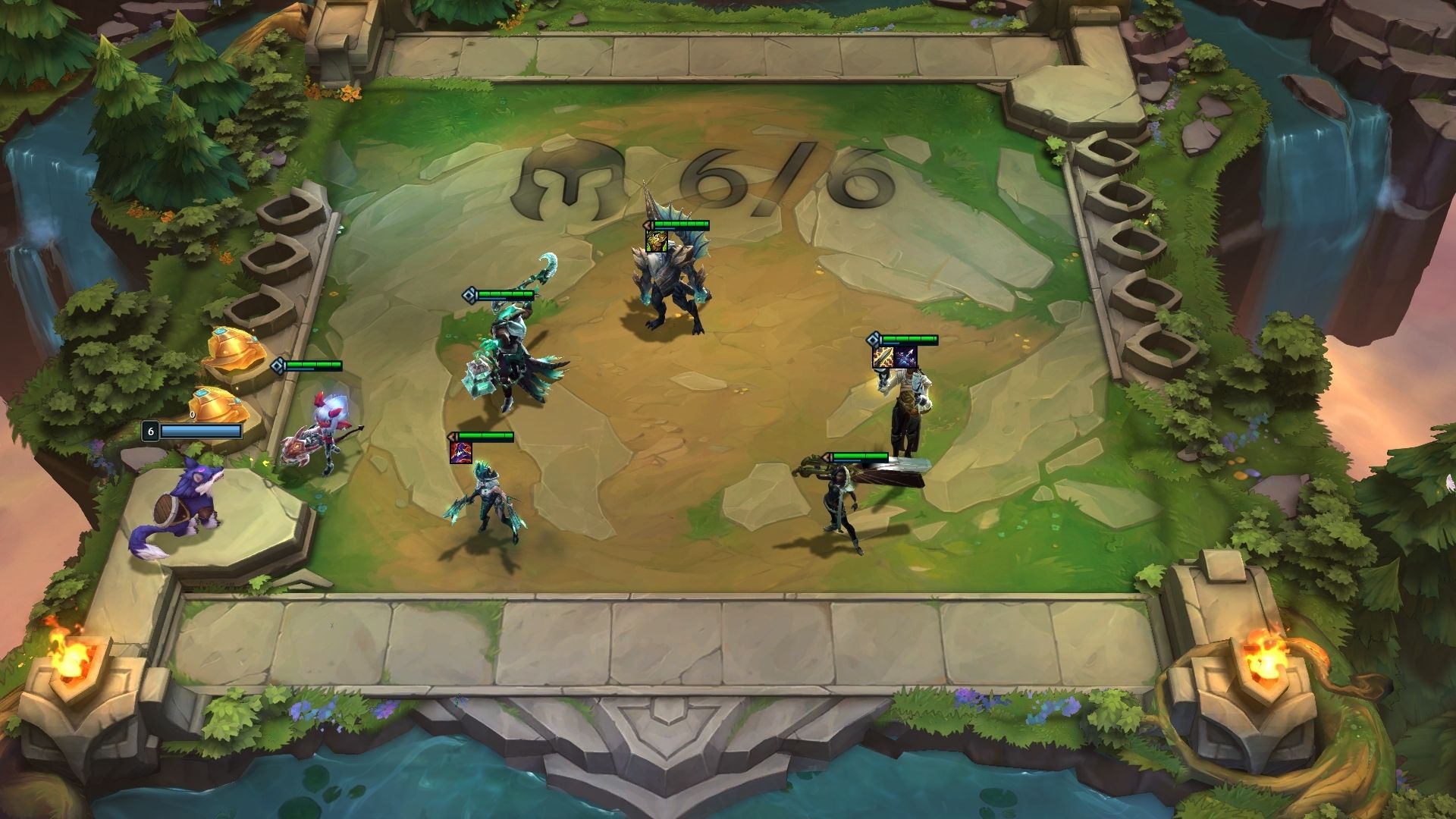
Teamfight Tactics (TFT) – Riot Games’ flagship auto-battler blends League of Legends champions with ever-evolving sets, strategic depth, and a thriving global esports scene. Its slick UI and regular updates keep both casual and competitive tacticians hooked.
-
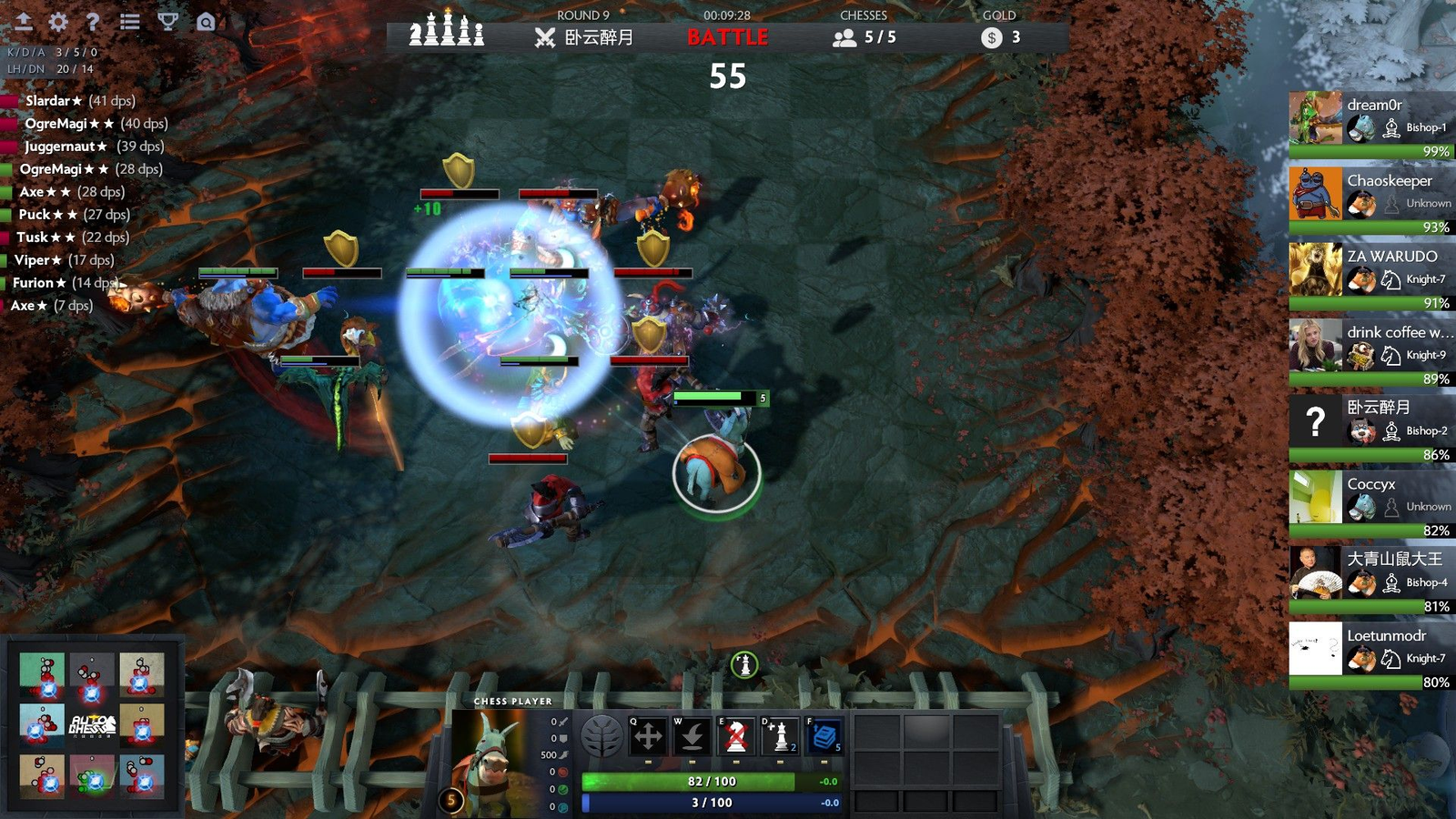
Dota Auto Chess – The original phenomenon that sparked the genre, this Drodo Studio classic still reigns with its chessboard battles, unique unit synergies, and a loyal fanbase. Its legacy is undeniable in shaping modern auto-battlers.
-
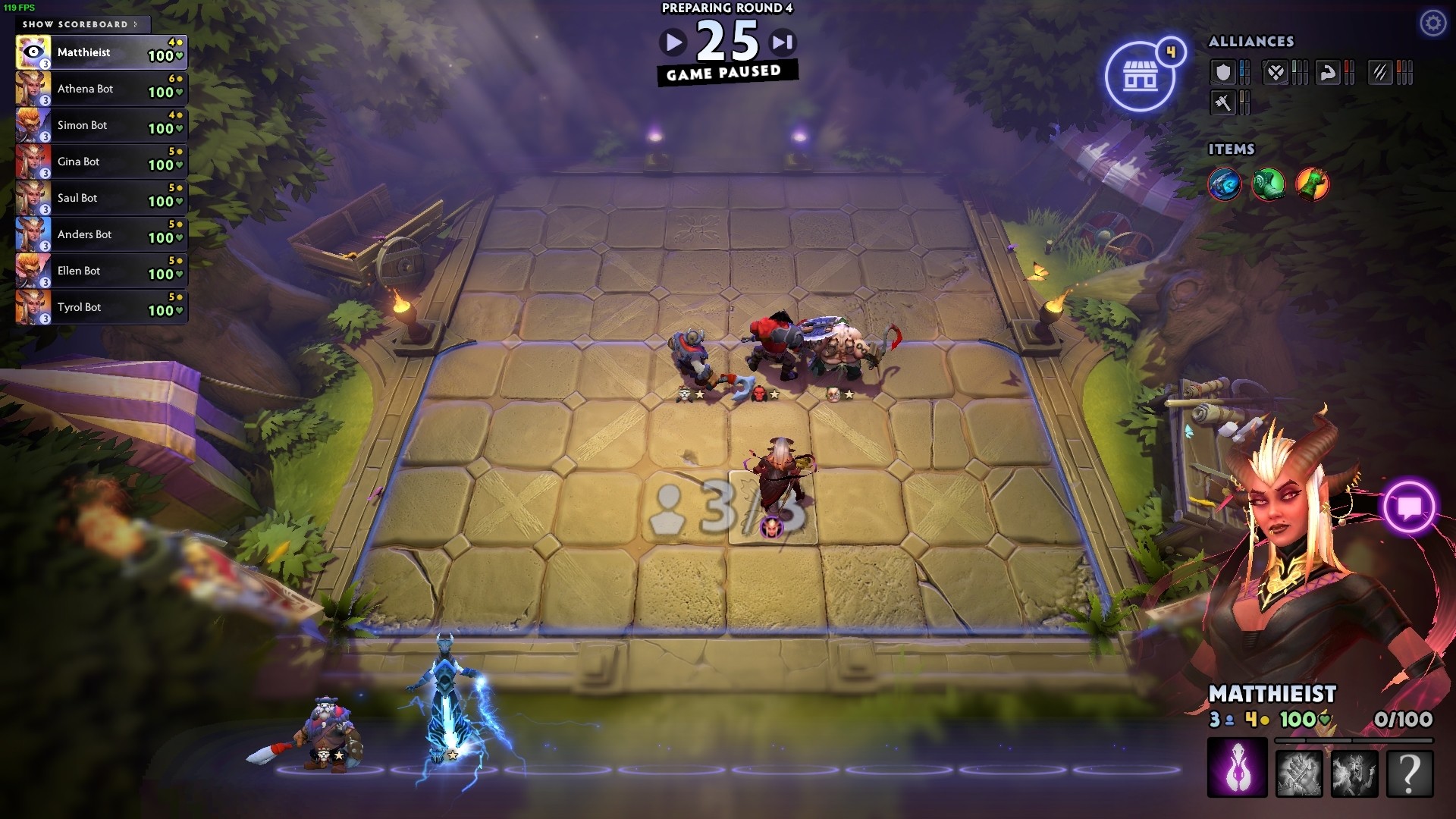
Dota Underlords – Valve’s polished take on auto-battling delivers deep strategy, cross-platform play, and regular balance tweaks. Its signature Underlords add a layer of tactical complexity for those who crave a challenge.
-
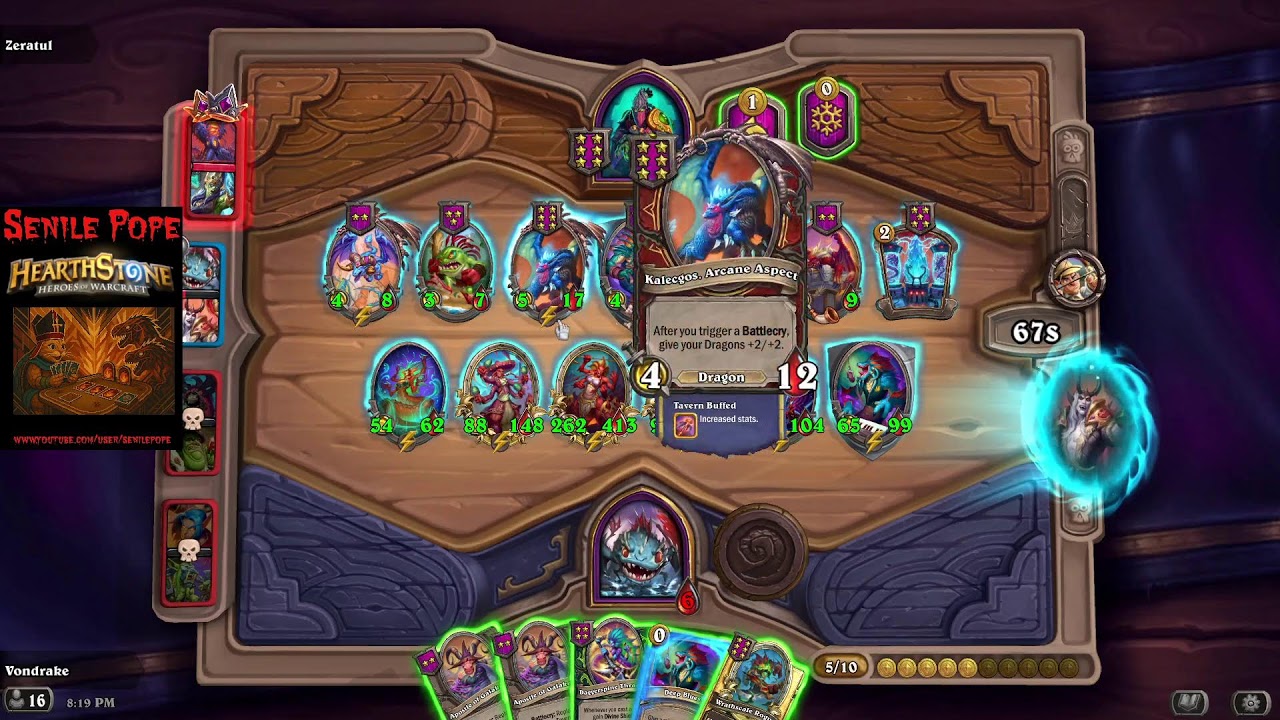
Hearthstone Battlegrounds – Blizzard’s card game spin-off brings Hearthstone heroes into the auto-battler arena. With quirky mechanics, frequent hero rotations, and a dash of RNG, it’s a favorite for players who love wild swings and clever combos.
-

Super Auto Pets – This adorable yet fiercely strategic indie hit lets you build a team of quirky animals with unique abilities. Its accessible design and surprising depth make it a staple for both mobile and PC auto-battler fans.
The genre’s appeal is only growing as developers experiment with new mechanics. Backpack Brawl introduces inventory management twists, while Mechabellum leans into large-scale sci-fi warfare, each putting their own spin on how AI mediates chaos and creativity in every match.
AI Spectacle: Leaderboards, Esports, and Community Hype
No discussion of auto-battlers would be complete without mentioning their impact on esports and streaming culture. With outcomes shaped by hundreds of micro-decisions (and a dash of RNG), every tournament becomes a masterclass in adaptation under pressure. Leaderboards update in real time as top players experiment with wild off-meta comps or pull off improbable comebacks thanks to last-minute pivots.
This constant churn keeps both competitors and spectators glued to their screens, no two games ever play out quite the same way. The result? A thriving ecosystem where theorycrafting forums buzz with new ideas, content creators break down every patch note like Wall Street analysts dissecting earnings reports, and casual fans feel empowered to jump into ranked play armed with actionable insights.
The Road Ahead: AI as Game Designer?
The next frontier? Some studios are experimenting with using AI not just to run combat or matchmaking, but to dynamically generate new units, balance patches, or even entire game modes based on live player data. Imagine an auto-battler that evolves its meta overnight because the AI noticed your region was getting bored of dragons and decided it was time for cyborg pirates instead.
If there’s one lesson from this genre’s meteoric rise, it’s that competitive gaming thrives when strategy, not just speed, takes center stage. As long as developers keep letting AI handle the heavy lifting while players focus on outwitting each other, expect auto-battlers to remain at the cutting edge of digital competition.
About the Author